Retailers are pairing hands-on workshops, social extras, and "retail theater" with design expertise to win back shoppers who can easily compare prices online.

Picture this: it's a weekday morning, you're still in your slippers, and the kids are making noise in the next room. A couple of miles away, your local Pottery Barn is running a bed-styling workshop. You'd learn to layer [coverlets and quilts](https://www.architecturaldigest.com/story/best-quilts-and-coverlets-review), mix patterns, and plan for the seasons. Stay until the end and you might get a small discount on something for the house.
Do you go? Or do you open YouTube or TikTok, search "bed-styling ideas," and stay put? Maybe you find what you need on Pottery Barn's own channel. Maybe you search for quilts like the ones in that video and find a similar one for less, from a brand that isn't Pottery Barn. So what's stopping you?
That's the problem retailers are staring at. Getting a shopper's attention is already hard. Inspiration, product information, and price comparison all sit a swipe away, and the unsubscribe button is always one tap off. A store has to offer much more to earn a yes, and it has to earn that yes over and over. Big-ticket furniture makes the job harder still: higher prices, complicated delivery logistics, and comfort, which is personal and very hard to predict. Lovesac's recent social-media blowup, with its viral outrage, delivery snafus, and assembly headaches, may be the clearest example of furniture buying going sideways in 2026. The lesson is that loyalty in this category comes from something a competitor can't copy with a web page: a real relationship.
## Make the Store the Event
Getting people out of their slippers and back through the door is a problem Evan Hutton, head of retail store operations at [McGee & Co.](https://www.mcgeeandco.com/), takes seriously. "It used to be you could just do a bed-styling class or [a class on] how to decorate a mantel, and people would come for that," she says. Those days are over. YouTube tutorials have made the workshop itself a weaker draw, so the hook has to be bigger.
Hutton's answer is social and sensory extras, like gelato carts and floral-arranging sessions. They give people a reason to show up that goes beyond the lesson. It's a sensible bet, and it's already in motion at McGee & Co.'s [first flagship in Salt Lake City](https://www.architecturaldigest.com/story/shea-mcgees-retail-empire-is-just-getting-started), which opened in September.
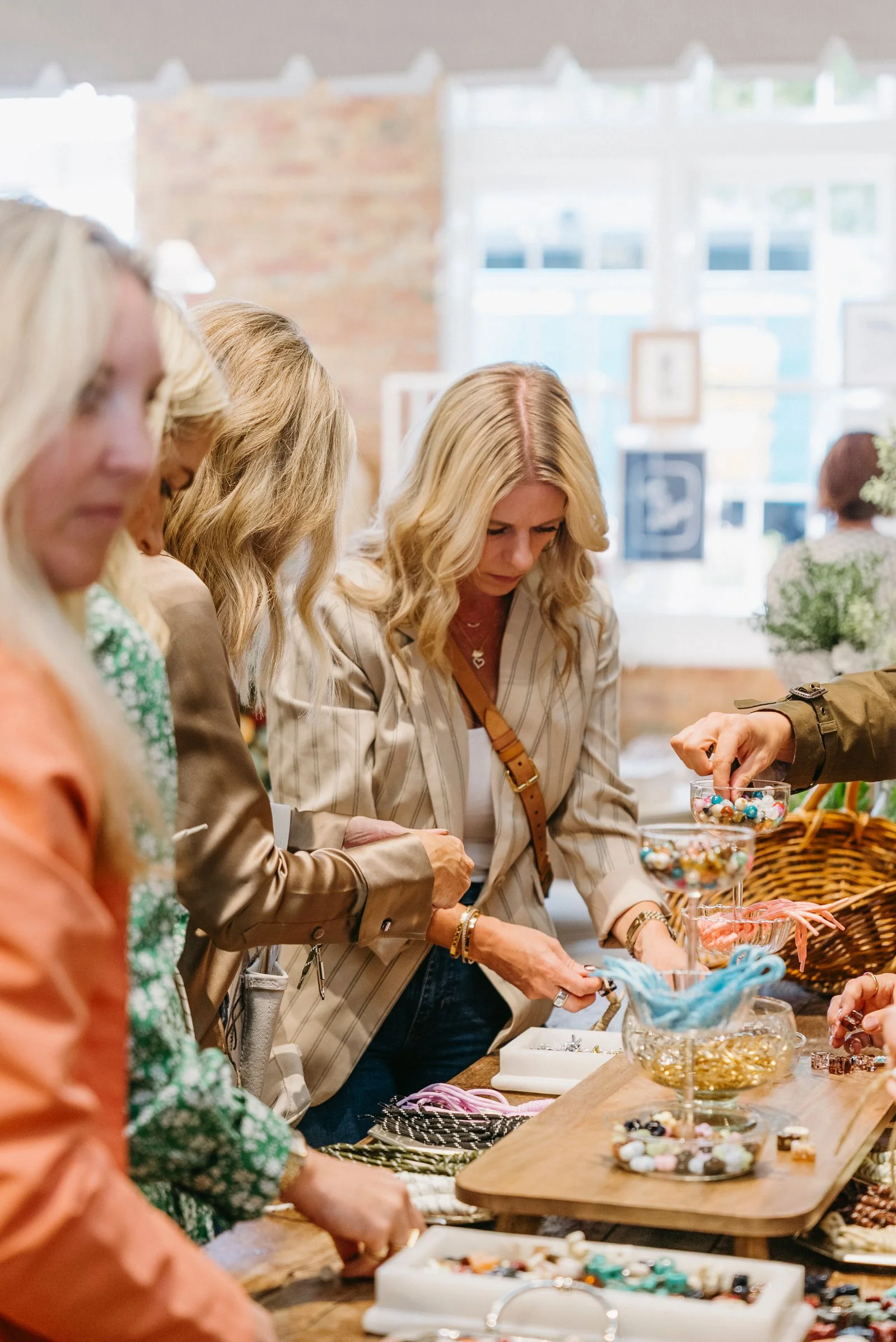 *Retailers are seeing growing interest in hands-on events, like this keychain-making activity at McGee & Co. Courtesy McGee & Co.*
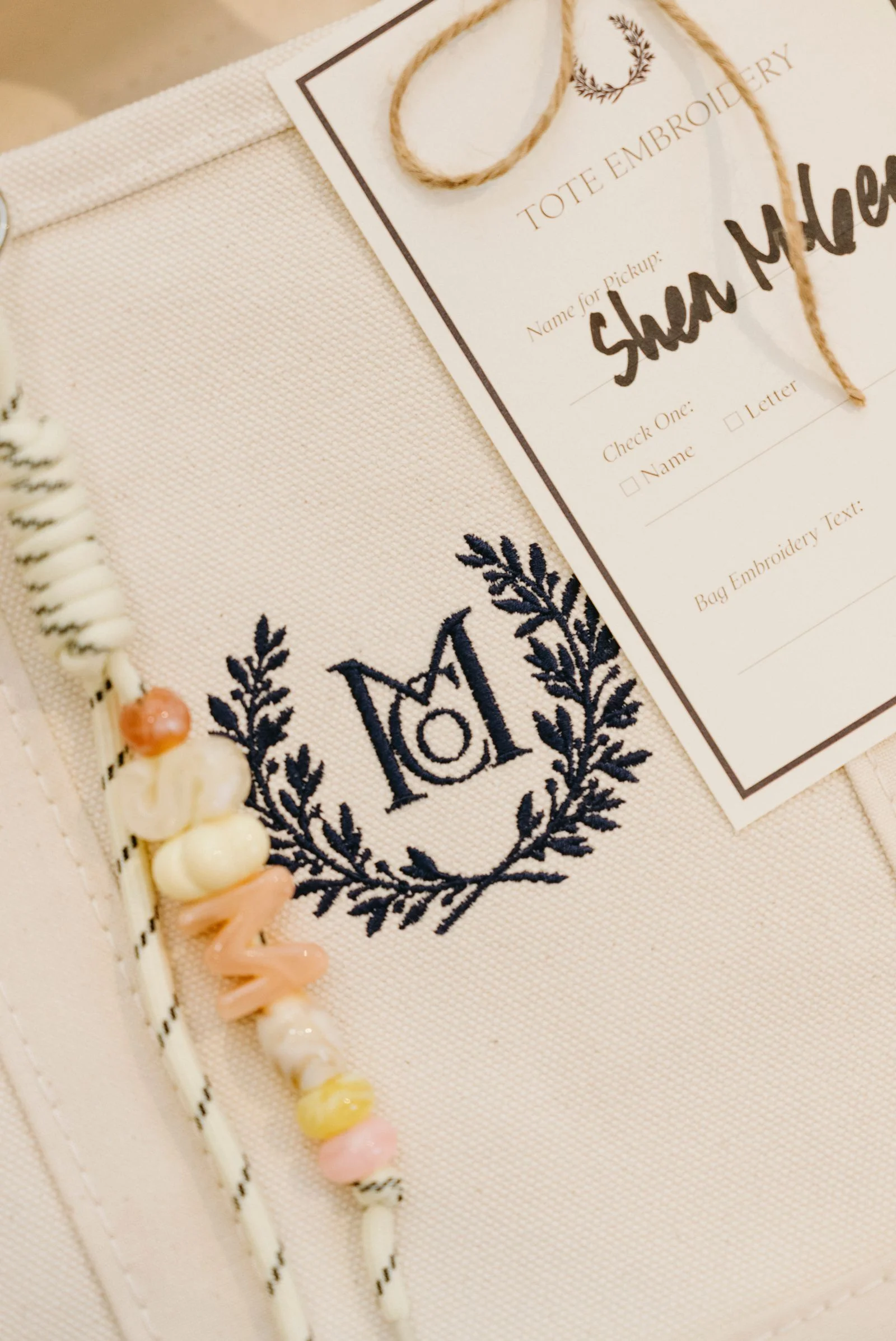 *Shea McGee's finished keychain, complete with a monogram. Courtesy McGee & Co.*
Geri Moran, vice president of marketing at [ABC Carpet & Home](https://abchome.com/), a longtime New York City destination for home shopping, has a useful name for this kind of programming: "retail theater." The point of it, she says, is to combine "commerce, culture, and discovery." What makes it work is that it doesn't have to close a sale on the spot. "It can build awareness, strengthen relationships with the design community, introduce new customers to the store, and give existing customers another reason to return," she says.
 *During the holiday season, ABC Carpet & Home hosts carolers at its NYC flagship as a way to "give [customers] a reason to visit, connect, and come back." Photography courtesy ABC Carpet & Home*
Take the holiday caroling ABC stages each year. It sounds like a frill, and it might have little to do with any particular product. But it builds an emotional connection with the local community. Moran puts it plainly: "The merchandise gives people a reason to shop, but the experience gives them a reason to visit, connect, and come back."
## Give People Something They Can't Find Online
The second lever is discovery. Shoppers who come in for one thing should leave having found another, and that requires things that can only be found in person, whether through store design, specialty goods, or locally made work.
McGee & Co. plans to vary its signature design language from outpost to outpost as it expands across the US. Syd McGee, the company's CEO, imagines a fan visiting the store in different cities, each one shaped by its local culture. How would McGee handle Texas differently from California? He says the only way to know is to go see.
The company is also leaning on merchandise that can only be bought in the store. At the Salt Lake City opening, it sold gardening gear, Cire Trudon candles, Match pewter, and [vintage pieces](https://www.architecturaldigest.com/topic/vintage) available only in person. A customer might arrive for a sofa and leave with a gift or a one-off find from the McGee universe. That's a smart way to turn a furniture visit into a shopping trip.
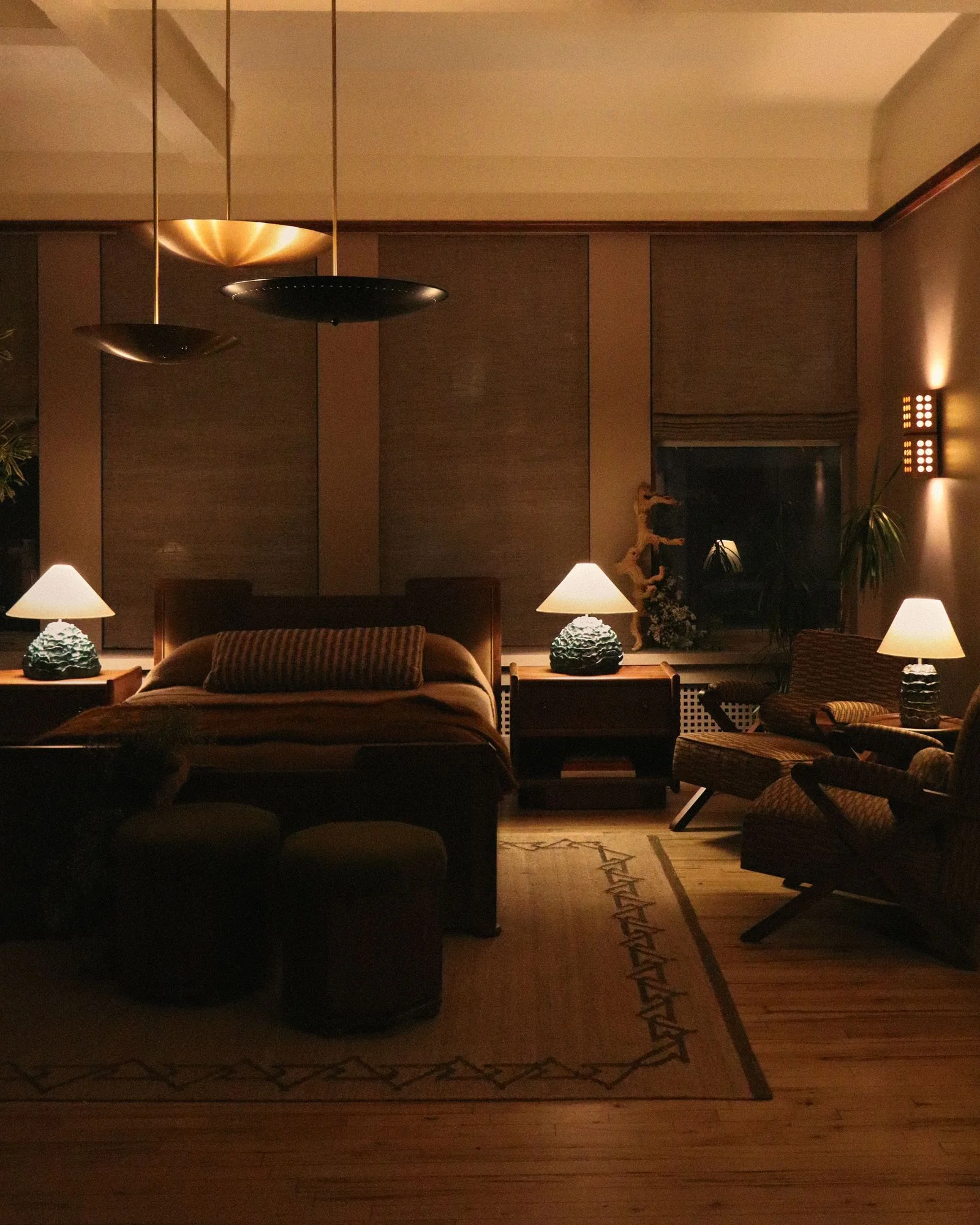 *The Lawson-Fenning showroom creates a welcoming environment for clients. Photo: Ben Anderson*
[Lawson-Fenning](https://lawsonfenning.com/), a homeware brand known for California-inflected design, follows a similar playbook. It mixes its own collection with vintage finds and pieces from makers it admires. "There's always something they didn't come in for," says cofounder Grant Fenning, adding that "plenty of our longtime clients first walked in without a plan." Many shoppers first meet the brand through a designer, but they often come back on their own a year or two later. That's a slow payoff, and it's exactly the kind retailers say they need.
## Build a World, Not a Showroom
A retailer's job isn't to show off a few hero products. It's to build a world around them. That may explain why [Il Buco Vita](https://ilbucovita.com/), the lifestyle brand offshoot of Il Buco's hospitality business, does around 60 percent of its sales in person, even with a website full of products. Founder Donna Lennard says art, antiques, and decorative pieces tend to sell better in the store, while online buyers gravitate toward everyday kitchen and dining items. "It all comes down to keeping the discovery process interesting," she says. "With each person that walks through the door, there is an opportunity to introduce them to something they might not have known they were looking for."
The showroom staff do their part, too. They teach customers about the artisans behind each piece, how pieces pair together, and how to care for them over time. This year Il Buco Vita is pushing the idea further with a new flagship on Bond Street, just a few doors from its original restaurant. Lennard says the closeness "creates a stronger connection between hospitality and home." It also gives the brand room to show larger pieces, antiques, and collections in a more experiential setting. "Customers can see how they live together and imagine them in their own homes."
Trust Starts Before the Sale
Here's the thing: nearly every brand interviewed for this story named trust as the reason customers come back. And it doesn't begin at checkout. It begins the first time someone walks into a showroom or sends a question. Moran puts it bluntly. A sale isn't finished when the customer pays. It's finished when the product arrives, the customer is happy with it, and the experience makes them want to return. Product knowledge is where that trust gets built. Shoppers aren't just buying a sofa. They're buying into a whole-room look the brand can deliver. In the showroom, they can test-drive a sofa, run their hands over different upholstery options, and inspect the construction with an associate who can explain why two similar models cost different amounts. That's where the price conversation changes. Moran says it shifts toward value, craftsmanship, longevity, and whether the piece actually suits the buyer. And when something is out of reach, a good associate suggests alternatives instead of shrugging. Hutton says McGee & Co. made a deliberate choice to call its in-store staff "design associates" rather than concierges. The reasoning is simple: nobody should hand a customer off to someone else. "We want all our team members to be able to start those conversations, and oftentimes finish them too," Hutton says. Shea McGee, who briefed many of the first flagship associates herself, treats product education as a major part of that training. The goal is for associates to read showroom furniture the way a designer would, then pass that perspective along. If they can connect "designer led" to what the brand actually does, customers start to see the difference for themselves.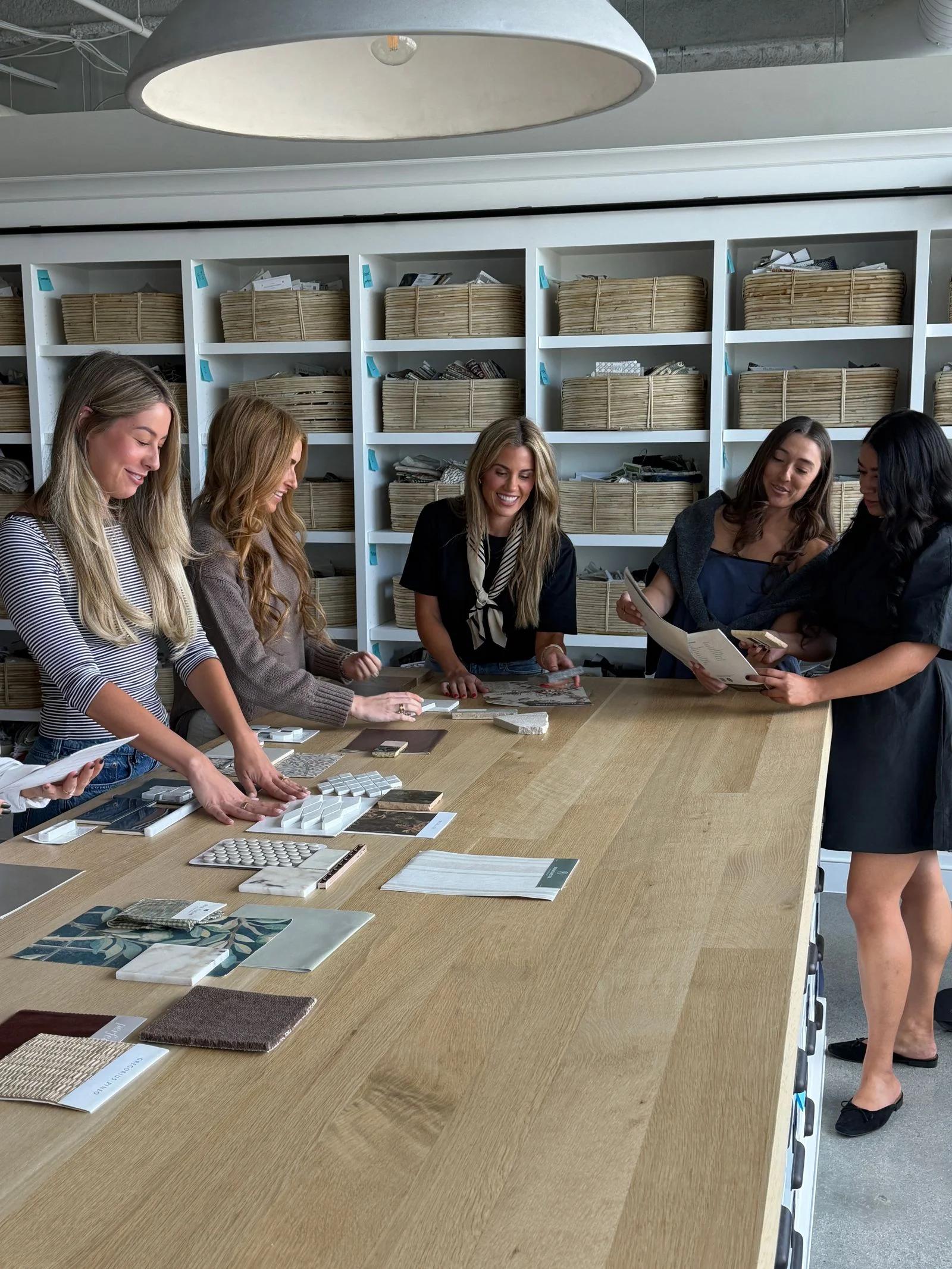
Trust Beyond the Transaction
For trade-focused businesses, trust has to hold up well past a single order. Tyla Caccese, founder of the 15-year-old trade-only rug company Tailor-Made Textiles, takes a practical approach. Her new 2,000-square-foot Manhattan showroom was designed to feel like a workshop. "We wanted it to feel more like a workshop," she says. The centerpiece is a large marble kitchen island where designers can spread out drawings, plug in laptops, or work through a project over lunch. That idea came from watching how designers used a shared space her brand occupied before. Remote-working designers treated the showroom as a third place, somewhere that wasn't quite home and wasn't quite an office. Caccese now builds for that habit. "It's been wonderful to see designers using the showroom almost as an extension of their own studios," she says. This approach bets on proximity rather than pressure. Current and prospective customers get to know the brand through natural conversation, and they can turn to Caccese to talk through ideas, whether or not they're there to buy a rug. "I don't want designers to feel like they need a project or a purchase order to come through the door," she says. Her argument is that designers return because they trust the place, not because of one particular rug. "Ultimately, what brings designers back isn't necessarily a particular rug. It's knowing they can walk in with an idea, a problem, or a completely unrealistic deadline and have a real conversation about how to make something work."Keep the Relationship Going
The sale is the start of the work, not the end. Glenn Lawson, co-founder of Lawson-Fenning, is blunt about it: after a purchase, overcommunicate. His biggest headache is wait times. Everything the company sells is made to order, and a piece can take 10 to 12 weeks to produce. For a designer working toward an install date, that's a real problem. Lawson's answer is to be honest about timing. "We'd rather give a realistic date and hit it than promise something faster and miss," he says. "When people know where their piece is, the wait feels shorter." When time runs out, the brand's in-store-only pieces can help too. A floor sample can rescue a project that can't wait.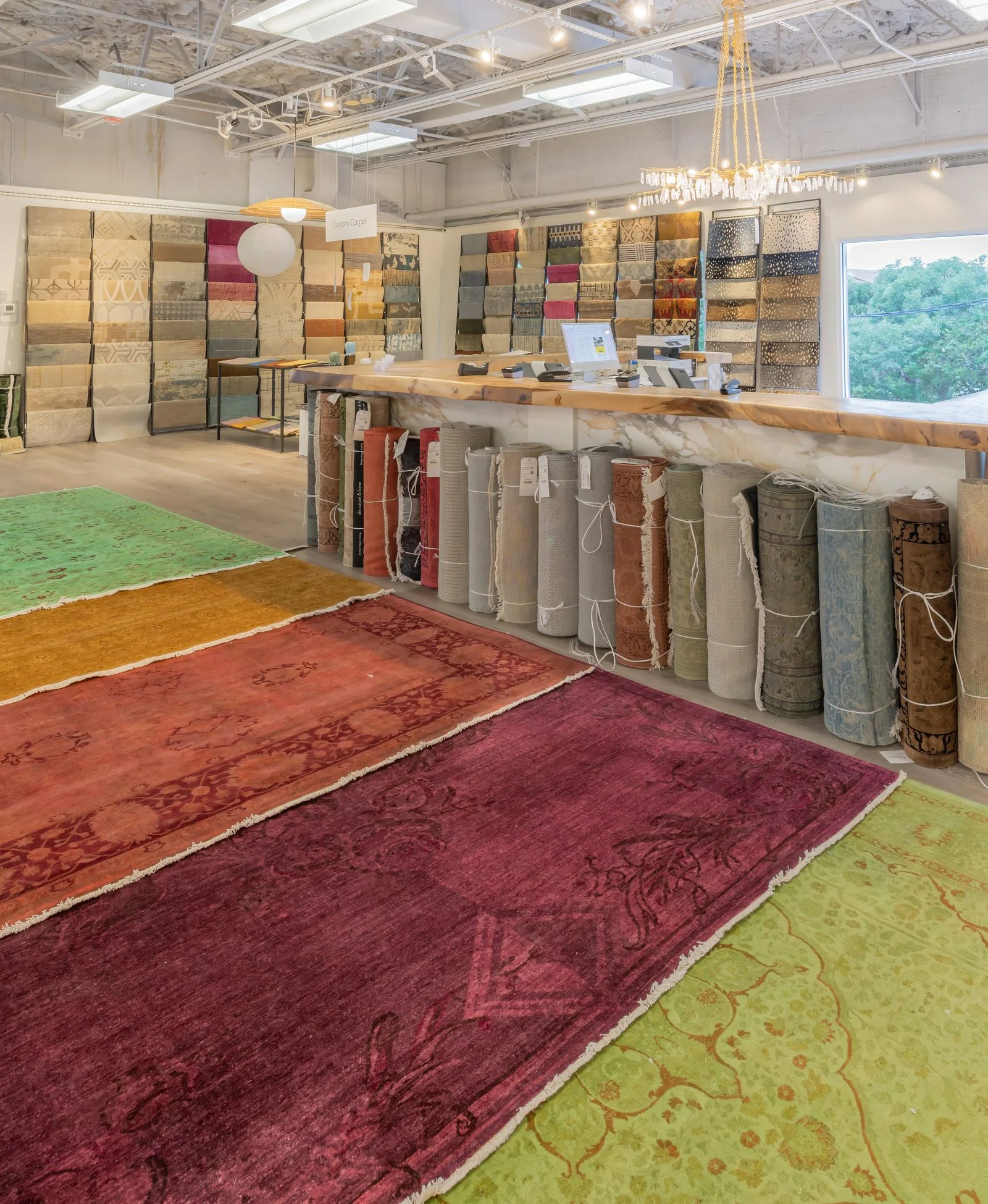
Discussion
Sign in to join the discussion.