Opening a Design Store in Salt Lake City: What McGee & Co.'s Flagship Teaches Retail Newcomers
Published
Nov 17, 2026
Views
499
Designers are opening physical shops, but foot traffic, staffing, and trust make the leap harder. Lessons from McGee & Co.'s Salt Lake City flagship.
Opening a brick-and-mortar store is the dream a lot of designers quietly carry around, and the appeal is easy to see. A shop lets customers sink into a sofa, run a hand over the fabric, or grab a last-minute gift on the way to a party. It puts your brand in three dimensions, which no website can do, however good the photography.
Even in the age of one-click shopping, the pull of a brick-and-mortar store hasn't faded. Designers still treat a physical space as the purest expression of what they do.
The Leap of Faith Nobody Mentions
The romance wears off fast, though. A loyal online following doesn't automatically walk through a front door. You're suddenly responsible for foot traffic, merchandising, and hiring and training staff, and that's before the lights go on. Each of those can sink a shop that looked brilliant on paper.
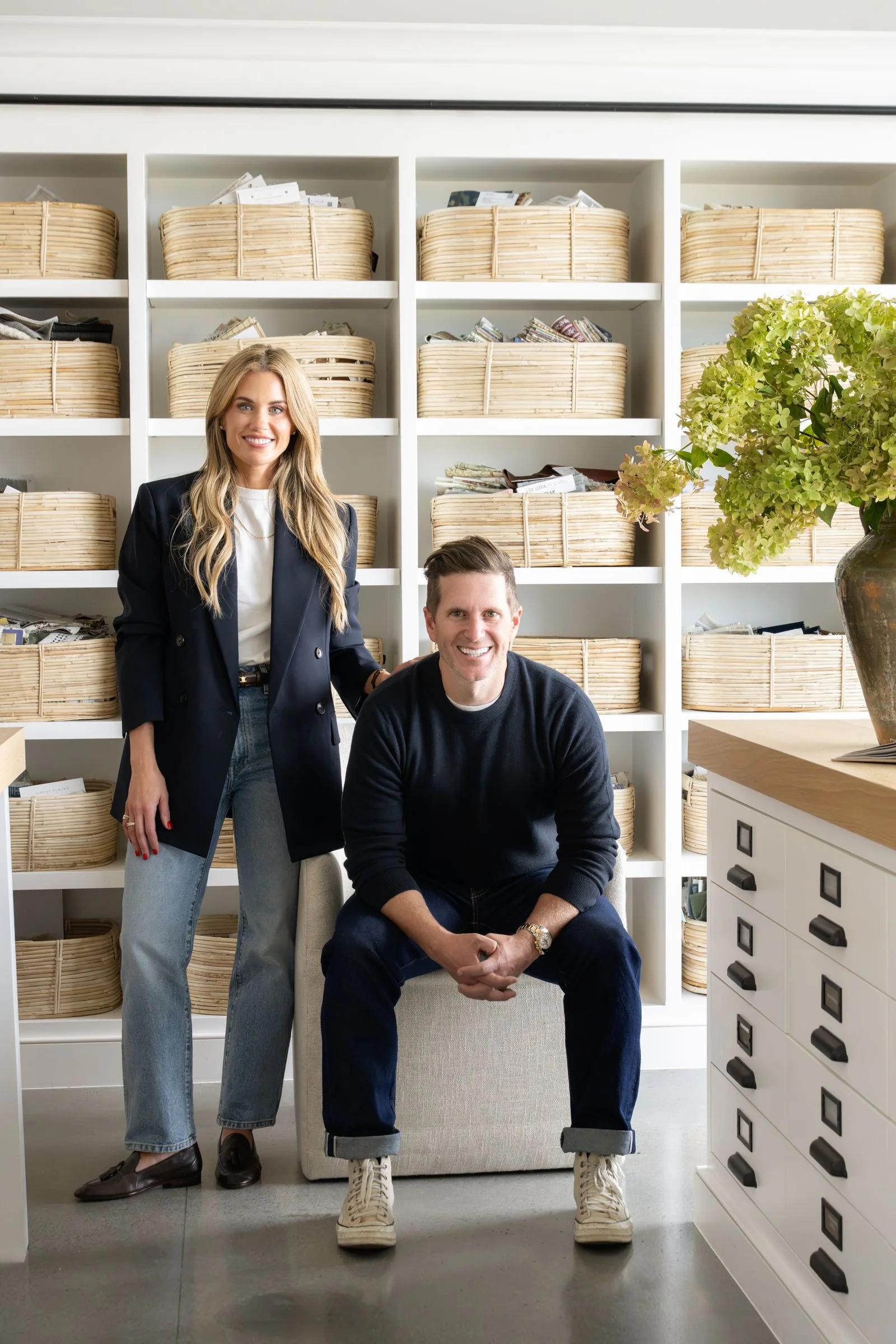
Shea McGee knows this from the inside. She and her husband, Syd, spent years building a thriving e-commerce business before unveiling their McGee & Co. flagship in Salt Lake City almost two months ago. The store had been on their list for a long time. They gathered ideas for years so the physical shop would match the service and design standards of everything else they sell.
Shea and Syd McGee. Photography courtesy of McGee & Co.
Her questions are the ones worth stealing. How do you translate a digital brand into a space people want to shop in? How do you bring customers back once they've been through the door? And how do you write down what works so you can repeat it when you grow? Those are less about décor than about systems, and that's where most first-time retailers get caught out.
What Loyalty Actually Takes
The guide, produced with AD PRO, pulls from McGee's own experience and from people across the industry. She walks through her merchandising strategy and how she recruited and trained her team. Contributor Lila Allen also spoke with McGee's staff and with people at Lawson-Fenning, Il Buco Vita, Tailor-Made Textiles, and ABC Carpet & Home about how they build loyalty over the long haul.
Photography courtesy McGee & Co.
Their shared conclusion is blunt. Product and product knowledge are available everywhere online, so they're no longer the differentiator. Trust is. Becoming a place people actually go to discover things takes sustained effort, and it's slow. But it pays off, and relationships may be the most valuable thing a retailer owns.
What the Newest Shops Are Getting Right
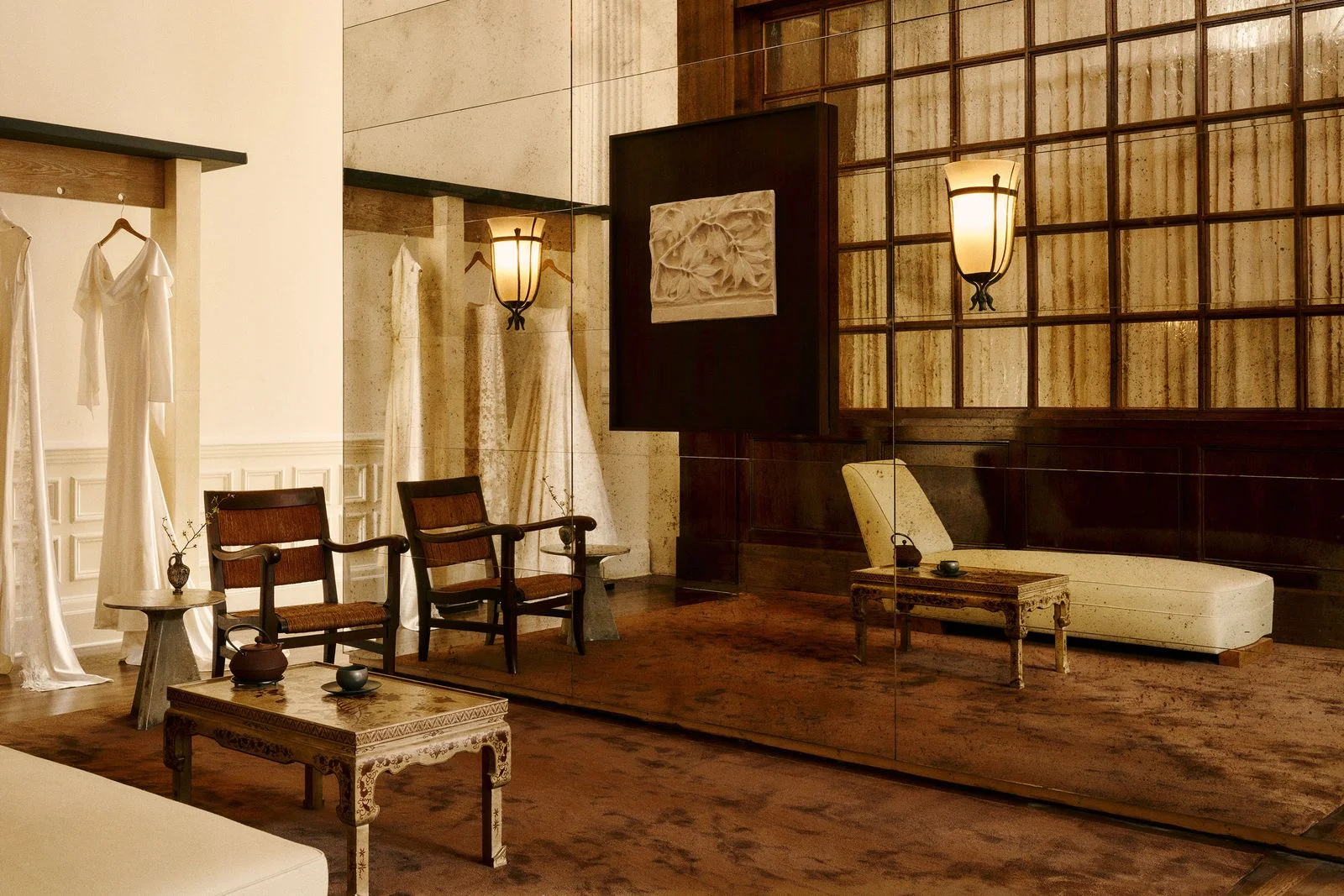
Contributor Margaret Borden went looking for the creatives behind some of this year's most talked-about shops. Those range from a jewel-box fashion boutique in Paris to a bright, welcoming kitchen and home goods store in New York City. The goal was to pin down their merchandising tricks, and the lesson that comes through is that good shops are built around how people move and feel, not just how things look.
If you're thinking about hanging your own retail shingle, or you just want a sharper read on selling in 2026 and beyond, this is the part to read closely. The stories are specific enough to act on, which is more than most trend roundups manage.
Photo: Clement PascalA website can close a sale, but a store can make a customer feel something about the product first. For designers and design brands planning retail for 2026 and beyond, the brands pulling ahead are the ones treating the physical store as a sales tool, a teaching space, and a gathering place at once.
Online and in-store sales feed each other
Online sales data shows where demand already exists, and that can serve as a rough game plan for where a brand opens its next store. McGee & Co. has used its digital sales this way. The relationship runs in the other direction, too. Local shoppers who visit a showroom tend to buy online afterward, because they've seen and touched the product. Syd McGee calls the store a "truth serum" for merchandise, and it's a useful way to think about it. A photo can flatter a fabric or a finish. A showroom doesn't let it.
What a store can do that a screen can't
Once a shopper is in the building, the job is to teach. Explain how a complicated piece is put together. Introduce the [artisans](https://www.architecturaldigest.com/story/the-ad100-designer-sourcebook-the-craftspeople-top-talents-swear-by) behind the products. Show how different lines work together in a room. None of that fits on a product page, and it's where a store earns its keep.
The payoff is in how the sale changes. Geri Moran, vice president of marketing at ABC Carpet & Home, puts it plainly: "The conversation then becomes less about price and more about value, craftsmanship, longevity, and whether the product is right for the customer." She adds that the team also helps find alternatives when something doesn't fit a customer's budget. That might sound like giving up a sale. In practice, it's a good way to make the next visit feel safe.
A store that people actually go to
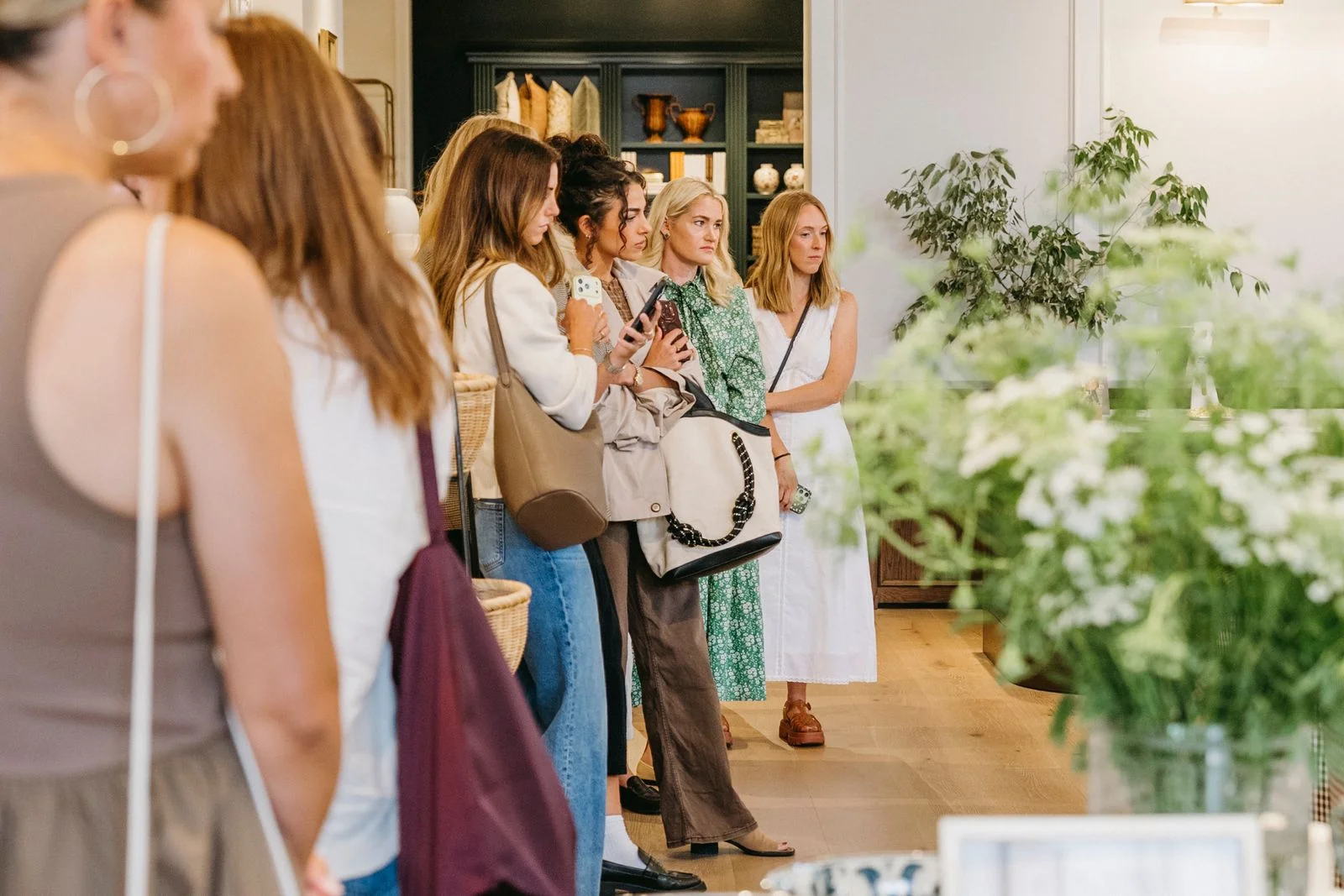
Here's the shift that matters most: the store has to be a place people have a reason to visit even if they aren't shopping. Locals stop in for inspiration, to discover something new, to make a connection, or to solve a design problem. That's how today's brands are [building long-term loyalty](https://www.architecturaldigest.com/story/how-to-build-customer-loyalty), by becoming part of someone's routine rather than a place they visit once.
The experiences being used to get there are specific. Gelato carts. Floral-arranging workshops. Holiday caroling. Or simply a table where people can gather or work through a design problem. Brands are positioning these stores as "third places," somewhere between home and work for a public worn out by digital overload.
Still, a gelato cart won't sell a sofa on its own. The experience only matters if it gives someone a reason to walk back in.
Trust is built after the sale, too
Proactive communication and hitting delivery deadlines rank among the most important parts of a good buying experience, according to the people quoted here. Moran sums up the stakes: "A customer who feels good about the quality of a purchase, the service they received, and the [overall experience](https://www.architecturaldigest.com/story/relationship-goals-jake-arnold-on-how-to-craft-a-top-tier-client-experience-that-creates-lifelong-clients) is much more likely to return." In a category where orders can take months, that's where repeat business is won or lost.
The team is the brand
The most telling detail in this section comes from McGee & Co.'s flagship. Evan Hutton, the brand's head of retail operations, says she's "overhired" for her starting crew. Most operators would call that a cost problem. Hutton is treating it as an investment, and the reasoning holds up: that first team sets the template for every store that follows.
Those team members, known as "design associates," become the brand's emissaries as the company expands. McGee & Co. is using that early group to formalize processes and set design guidelines meant to apply across the company. It's a smart way to scale, though it's not clear from the examples here how well it works once the chain is much larger. Brands that expand quickly often staff thin and hope the culture travels. This is a bet that it can be written down and taught.
Design for the feeling
Every new store comes down to one question: will people want to be there? Interior designer Brigette Romanek frames it as a destination people look forward to visiting. Her latest retail project in Los Angeles was built around a single goal: "I want to make people *feel* something."
That's the thread running through all of this. Stores are doing the work a website can't: teaching, building trust, creating reasons to return, and making a space people choose over their phones. Whether that holds as formats and shopping habits keep shifting is harder to call. But for designers, the question to ask about any new showroom is simple. What would make someone come back without needing a reason to buy?

Discussion
Sign in to join the discussion.