Shea and Syd McGee's flagship store shows how designer-led brands balance passion-driven concepts with sales data, while keeping a warm, personal feel as they grow.

Shea McGee and her husband Syd have spent years sketching ideas for a store of their own, and the McGee & Co. flagship is where those notes finally went to work. It also taught them things no sketchbook could. Their lessons come from the messy middle of opening a shop, and they're more useful than the usual retail advice because they're specific, a little humbling, and in places contrary to what the textbooks recommend.
Let the Original Vision Bend
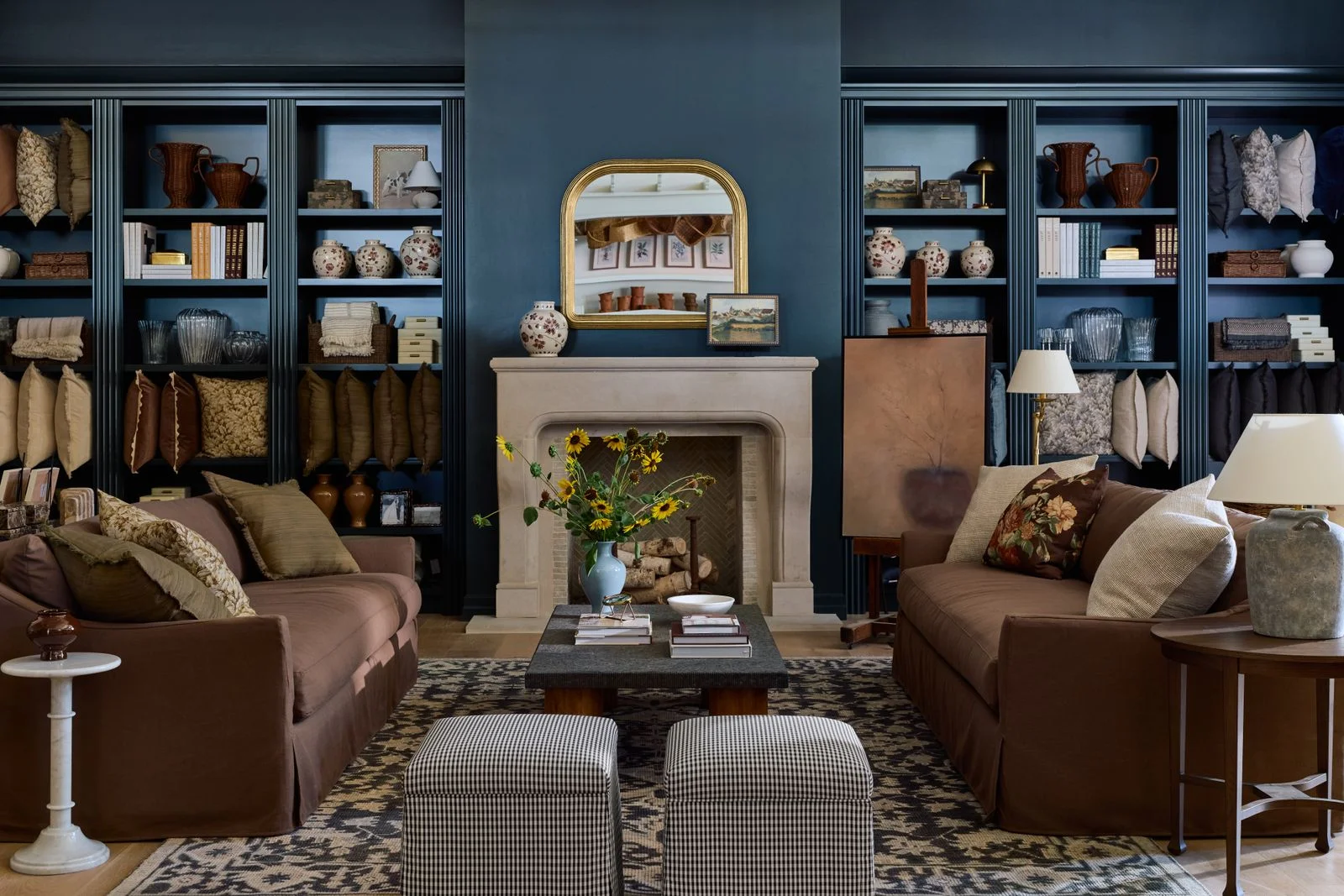
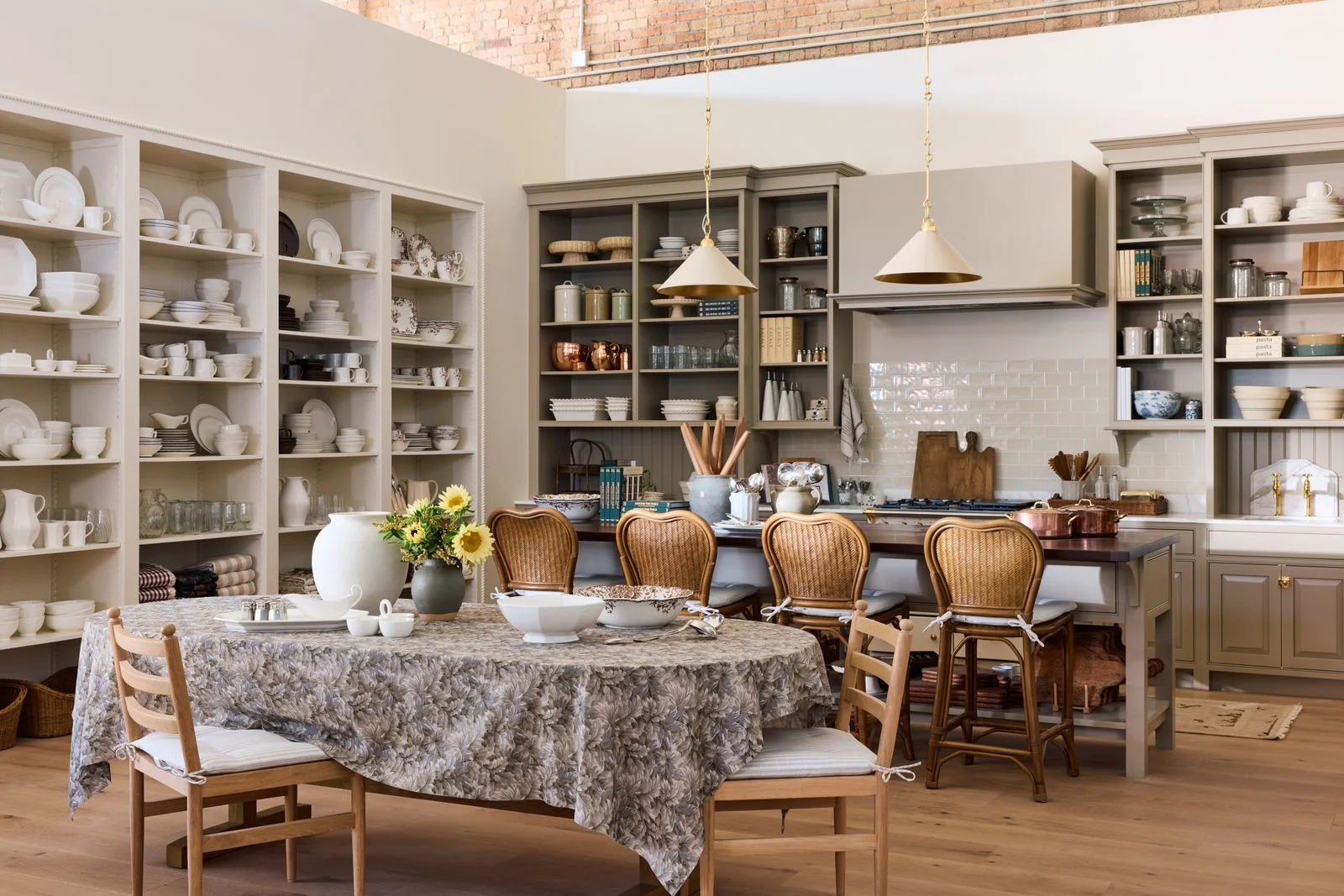
The shop was meant to feel like the homes McGee designs for clients: layered, collected, full of pattern and objects that reward a second look. That mattered more to them than following the standard playbook. Most retailers plan an in-store assortment by dollars per square foot. McGee & Co. put its own identity first, because, as Shea puts it, the company is a designer-led brand rather than a merchant-led one.
Then came the planning, and the planning forced compromises. The team sketched out the sections they wanted, including a kids' area and a kitchen zone, then built planograms to see what actually fit. Those drawings went to the merchandising team to test whether each idea made business sense. A lighting gallery was the casualty. Shea and Syd loved it, but once they compared lighting's share of sales with everything else, the numbers pointed toward furniture. The sprawling gallery became a moody lounge that can flex to show off different pieces.
That's the trade-off in a single room. Passion picks the concept, but the sales data decides how much of it survives.
Photography courtesy of McGee & Co.
Hire for the Brand, Not Just the Job
McGee & Co. isn't planning to stay small. The company wants to grow nationwide, and Shea says that growth can't cost the thing that makes a standalone store work, which is a warm, personal feel. Keeping that intact across a growing chain is, in her words, one of her biggest goals.
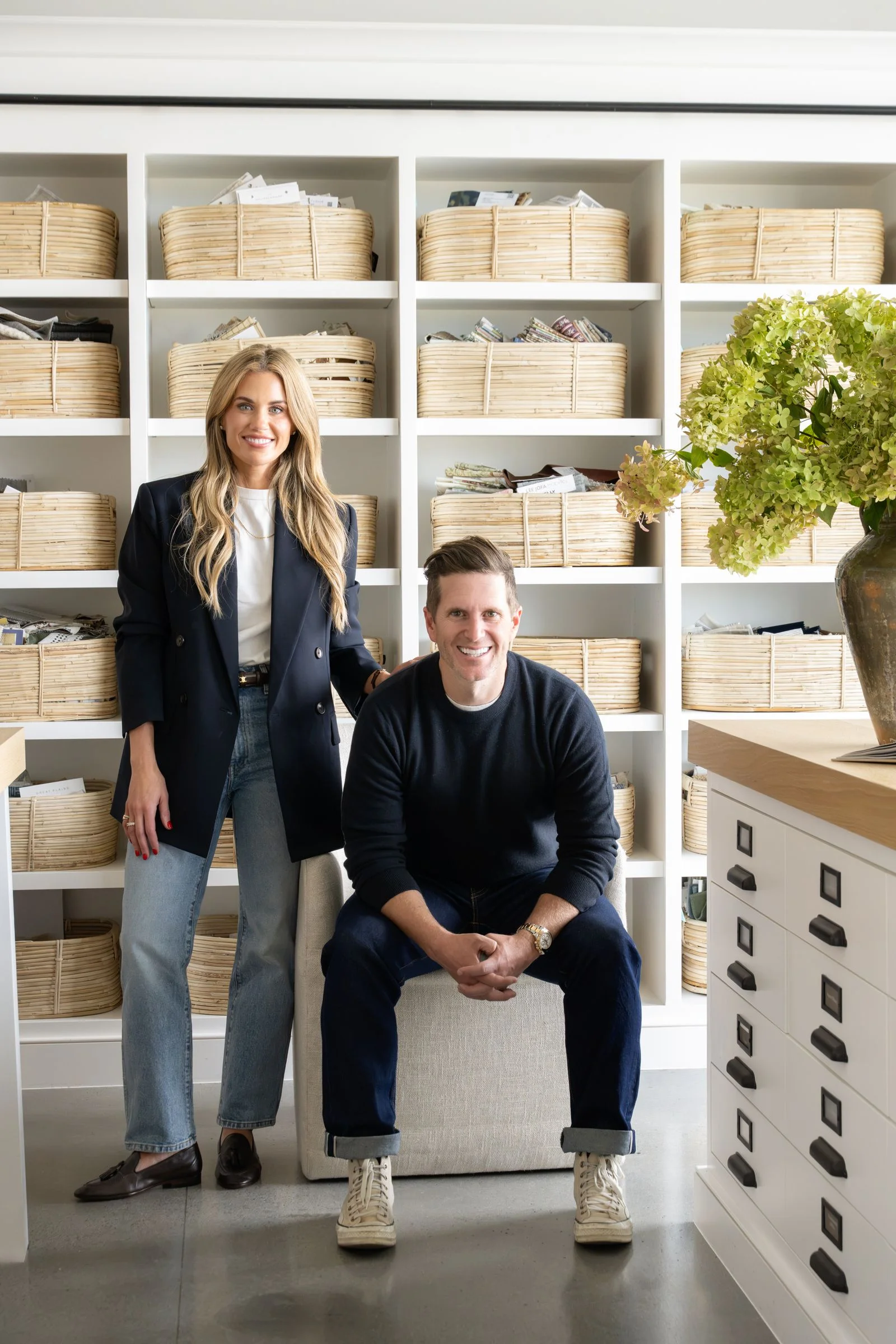
Here's the complication: McGee is a personality-led business. Store associates don't just represent the brand. They represent Shea herself, for better or worse. The design world can feel closed-off and intimidating, and the company's content, social presence, and client work have always aimed to be warm and accessible. Shea's view is that the attitude has to reach the sales floor too, and that's a hiring problem before it's a training one.
Photography courtesy of McGee & Co.
Write Down the Secret Sauce
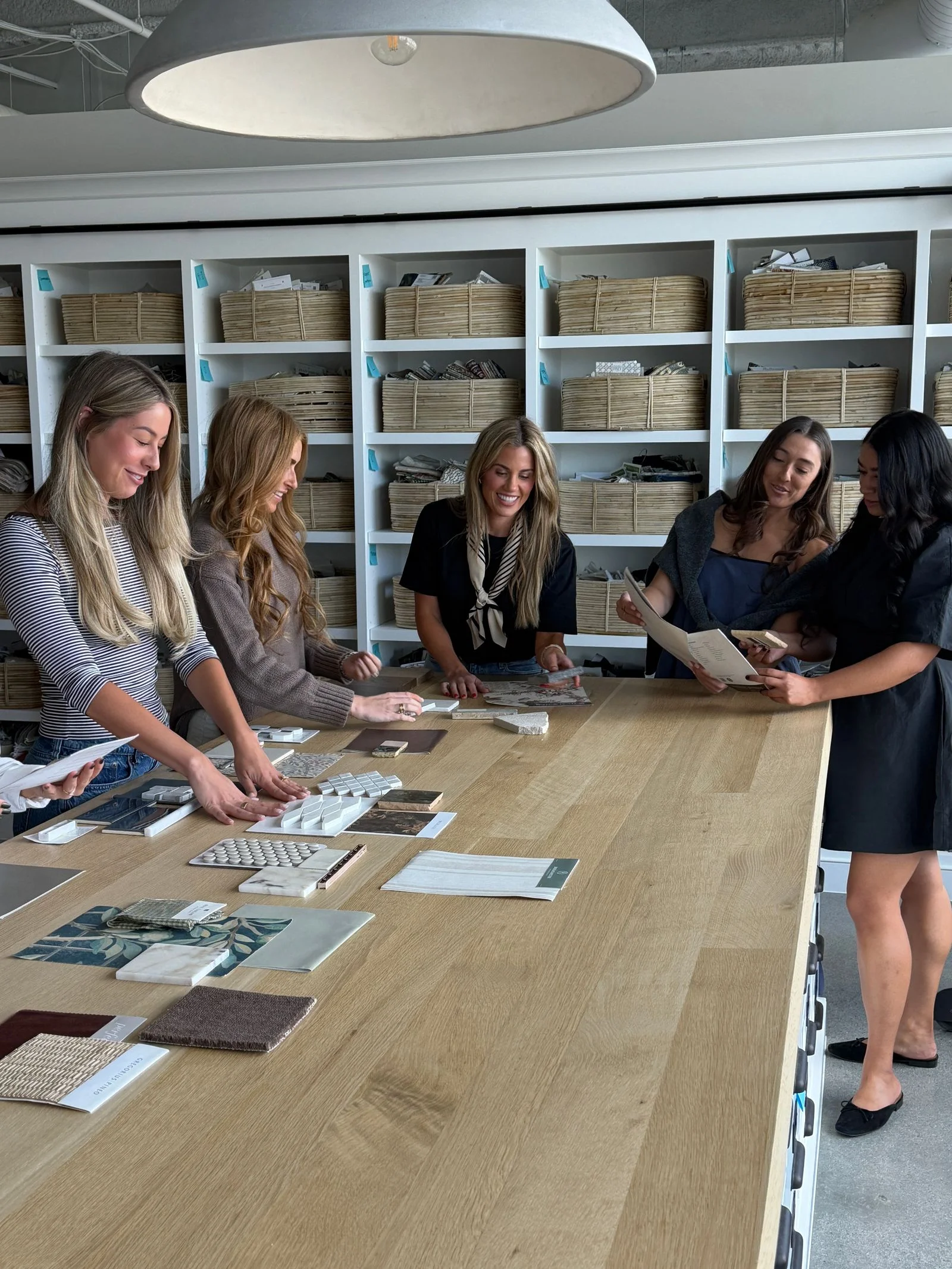
Before opening, Shea spent months putting together a training guide for associates. Think of it as Design 101, McGee-style. It covers how many inches a rug should sit from a wall, how to pair and arrange accent tables, and how to layer bedding. It runs through every level of the decorating process, which is a lot to get down on paper.
Her shortcut was AI, which she describes as a lifesaver. She narrated her walk-throughs of the store and used those recordings as the raw material for the manual. It's a practical method, and a reminder that the most valuable company knowledge often lives in someone's head until it's captured. The manual isn't finished, either. The team plans to keep adding to it as the business evolves and grows.
Checkpoints Beat Hope
A manual proves the lessons exist. It doesn't prove anyone absorbed them. For that, McGee relies on checkpoints. As design associates move through training and get comfortable with the way the company works, leaders hold check-ins to confirm the lessons are sticking. The company already runs the same process with junior interior designers at Studio McGee. The goal is mutual confidence, so the associates can eventually work on their own.
Photography courtesy of McGee & Co.
Shea also adds a checkpoint of her own. Because the flagship is in the company's hometown, she can drop in regularly during the early months to check that standards hold, the visuals stay sharp, and the operation runs smoothly. She admits that won't scale to every location. It's a perk of the home market, and it's worth recognizing that few brands can count on their founder being able to do it.
Soft Launch, Hard Lessons
Shea loves a good plan, but she's clear that nothing beats real-time feedback. The flagship opened in September with a whisper instead of a bang. There was no announcement and no social post. The doors simply opened, and the team watched shoppers wander in, learning and adjusting as they went. Two weeks later came the official opening. Shea credits that quiet stretch with working out the kinks before the spotlight arrived.
If you're planning a launch, that's the takeaway. A soft opening is less a formality than a rehearsal, and the rehearsal is where the fixes happen.
Let the Customer Data Pick the Next City
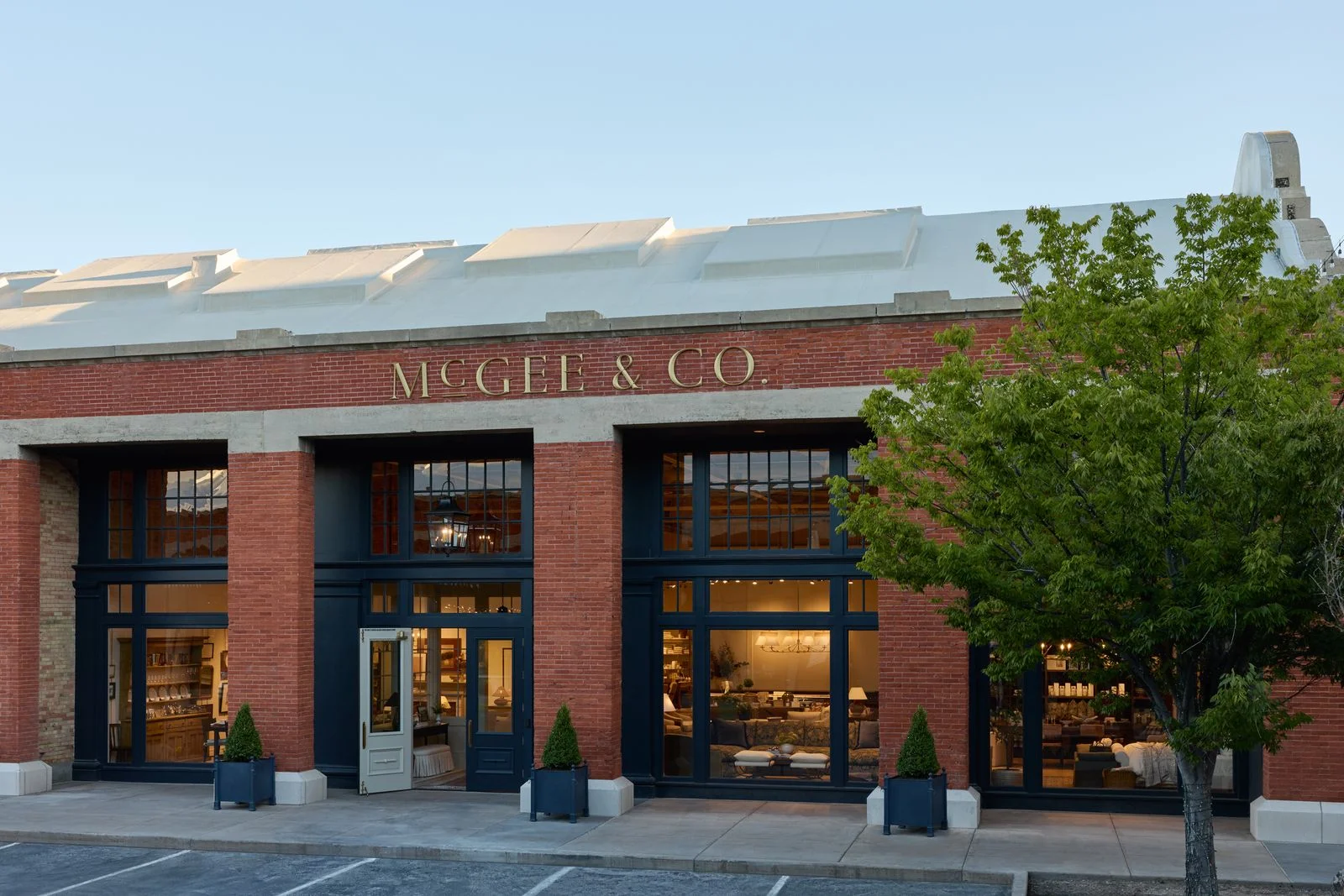
Years of ecommerce gave McGee detailed data on where its customers live. That means the company knew where to open next before the first store existed. Salt Lake City made sense as the flagship location, and the brand is already planning expansion into some of its other large markets, including Texas and California.
Photography courtesy of McGee & Co.
The Store Feeds the Website
The bigger payoff may be the loop between the physical store and the online business. Shea says ecommerce sales rise once a brand has a store. Shoppers who already know the product can see it in person, sit on it, think it over, and finish the purchase online. Inside the store, the team can offer styling advice and show off the quality of pieces in ways a screen can't.
The loop also works in reverse for the company itself. Shea says the team is still discovering things about its own assortment by merchandising it in the store. Seeing products in a new setting changes how the team judges them, and Shea's bet is that customers will see them that way too.
Profit will eventually tell you whether a store works, but it's a lagging signal. In the early months, the more useful question is whether the place runs cleanly. Can the team open the doors, keep the floor in order, close out at night, and walk a shopper from the entrance to the free design services without a hitch? That work isn't glamorous. It's also the foundation for everything else, and skipping it means the bigger ambitions sit on sand.
What I want to be able to say is that we know what it takes to run a store, and that we've made the shopper's experience in it as smooth as we can. Concretely, a customer should know how to find our free design services and should come away happy after using them. Get those basics right, and the loftier goals start to look reachable.
Be Honest With Yourself
Let's not pretend this is an easy first step. The Salt Lake City store is a flagship, and it's also a seed for every location that follows. It opens in Q4, right before the holidays, which is about the worst possible time to shake out your systems. It's a baptism by fire, and the team knows it.
The plan is to get through the opening, catch a breath, and then do the uncomfortable part: figure out what worked, what didn't, and fix the second group. Post-mortems are less fun than ribbon cuttings. But in this business, honesty with yourself is the only way up.
Hiring the Crew Before the Doors Open
A store is only as good as the people running it. Evan Hutton, head of retail store operations, has been central to getting this flagship off the ground, and his approach to staffing is more deliberate than most. The team has done retail for years, and Hutton says that when it comes to launching a shop, he trusts them more than he trusts himself. Here are his tips for building a retail crew that can hold up under pressure.
For a flagship launch, bring in the A-team
Opening a store inside a company that already runs locations is one thing. You have experienced teams to handle training and onboarding. Starting from zero is another. Hutton recruited industry veterans from outside the company who already understood retail fundamentals. There wasn't time to figure out how to run a store on the fly. He needed people who knew how to open, keep the floor clean, close at night, and prevent loss. The brand and the design principles could come after that foundation was in place.
Then put their know-how to work
Hutton is upfront that the Salt Lake City store is over-hired in terms of tenure and experience. He says that's intentional. These staffers are the foundation for future growth, and they're the people he'll pull in to help open the next stores. Think of the premium as an investment in the second and third openings, not just this one.
Balance it out
Hutton also hired newer people who were passionate about interior design and the McGee & Co. brand, and he argues you need both groups. There's a caveat, though. Someone who loves interior design but doesn't care about retail won't last. Nobody can be too precious about the job. Everyone should be ready to run a register, restock shelves, greet customers, and vacuum the floor.
Here's the thing about this approach: it's expensive in experience and in the discipline it demands, and it bets that veterans can transfer their habits to a brand that's still being defined. That bet makes sense for a flagship, where getting the basics wrong is visible and costly. What's less clear is whether the culture survives once those veterans leave to seed the next location. That's the test I'd watch, more than the first quarter's numbers.
Discussion
Sign in to join the discussion.