CVS Health plans to separate its 9,000-store pharmacy business from its healthcare solutions operations, targeting the split for the first half of 2028.
CVS Health Plans to Split Pharmacy Operations Into Two Public Companies
WOONSOCKET, R.I. — CVS Health is planning a corporate split that would give investors stakes in two separate, publicly traded companies. The transaction is targeted for the first half of 2028 and remains subject to customary conditions, so the proposed structure is still a plan rather than a completed reorganization. That timeline leaves the company considerable work to do before the businesses become independent, including defining how their operations and relationships will function after separation. The announcement sets out the broad division of businesses, but doesn't answer every practical question investors, customers and business partners may have.
Two businesses with different roles
The proposed healthcare solutions company will include Aetna, CVS Caremark, CVS Specialty, Oak Street Health and Signify Health. It will continue using the CVS Health name in the interim, keeping the familiar corporate identity in place while the separation is prepared. Oak Street Health, founded in 2012, operates clinics for older adults in 27 states. Its inclusion alongside insurers, pharmacy benefit management and specialty pharmacy businesses points to a company built around several parts of the healthcare system, rather than one type of service.
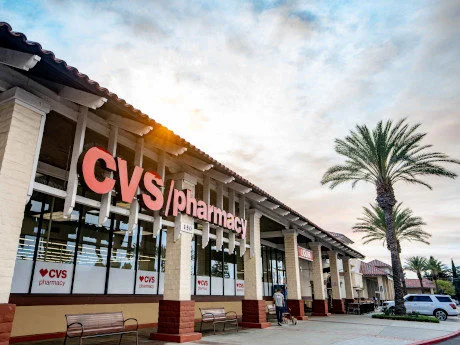
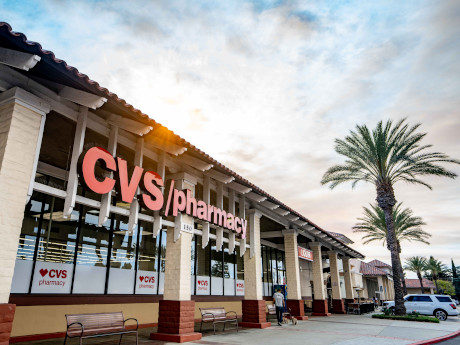
The other company, to be called CVS Pharmacy, will bring together about 9,000 CVS stores, the mail pharmacy operation, MinuteClinic and Health100 technology services. It will also include community healthcare. The split draws a line between CVS’s national pharmacy and care delivery network and its broader healthcare solutions businesses, while leaving both sides with activities that touch patients and healthcare providers. That division may look clear on an organization chart; how distinct the businesses feel to customers will depend on how their services are arranged after the separation.
Here’s the thing: the announcement describes the intended structure, but gives little detail about how the companies will work with one another after separation. That question matters because CVS Pharmacy says it plans to build partnerships with payers, pharmacy benefit managers and manufacturers. Those relationships span parts of the industry that the new corporate structure will place on different sides of the split, making the terms and day-to-day mechanics of cooperation worth watching. This is more significant than it looks. A corporate boundary can change who makes decisions and how a service is coordinated, even when a customer still recognizes the same pharmacy brand.
Leadership and operating plans
David Joyner, CVS Health’s current chairman and CEO, is slated to lead the healthcare solutions company in those same roles. Prem Shah, now a group president at CVS Health, is set to become CVS Pharmacy’s CEO. The companies have not yet named the remaining leaders or board members, leaving important parts of the future governance structure unresolved. Leadership appointments will help show how each company intends to set priorities, but the announcement doesn't yet provide enough detail to judge how the teams will divide responsibilities.
CVS Pharmacy plans to grow services delivered by its nearly 30,000 pharmacists. Its Health100 platform is also expected to offer products and services built around artificial intelligence, with the stated aim of addressing healthcare affordability, access and customer experience. Those ambitions are broad, and the announcement doesn't specify which services will be added or how their results will be measured. The store and pharmacist network gives CVS Pharmacy a substantial existing point of contact with customers; turning that reach into expanded care will depend on what the company actually offers and how people use it. If you're working in this space, the distinction between a stated goal and a defined operating plan matters.
Joyner said the company has spent the past two years building its leadership team, improving its finances, revamping operations and increasing total shareholder return. He framed the proposed separation as part of CVS’s effort to respond to demand for more affordable care, broader access and a simpler experience. The announcement does not explain how the new structure will advance those goals in practice, or how the company will assess progress once the businesses operate independently. That said, the split does give each company a stated focus, which could make priorities easier to communicate. The test will be whether those priorities translate into changes customers can recognize.
Financial snapshot and advisers
CVS Health reported third-quarter revenue of $108.4 billion, a 5.4 percent increase from a year earlier. The company, founded in 1963, opened at $85.30 per share on Wednesday, Nov. 4, compared with $80.46 a year earlier. The figures place the planned separation alongside the company’s recent operating and share-price context, but they don't explain the expected financial profiles of the two future businesses. Revenue growth at the combined company also doesn't, by itself, show how performance will divide between the pharmacy operations and healthcare solutions businesses.
Those figures offer context for the announcement, though they don't establish how investors will value the two businesses once separated. The release doesn't provide a detailed financial breakdown for each company, nor does it set out the terms investors would use to compare their prospects. Until more information is available, the market snapshot describes CVS Health as it stands today, not the economics of two independent companies. A split can make business lines easier to assess, but the details of cost allocation, shared services and ongoing commercial relationships will matter to that assessment (and this is the part most people overlook).
Goldman Sachs & Co. LLC is CVS Health’s lead financial and strategic adviser. Consello is also advising on financial and strategic matters, and Wachtell, Lipton, Rosen & Katz is providing legal counsel. Their roles identify the firms advising CVS Health as it works toward the proposed transaction; the announcement doesn't describe the specific work each adviser will handle. The appointment of advisers signals that planning is underway, while the targeted 2028 completion window leaves the company time to develop the separation details.
What the split could mean next
For customers, the immediate significance may be less about the corporate names than about continuity across pharmacies, clinics, mail services and other care offerings. CVS Pharmacy is expected to retain a broad retail and care delivery operation, while the healthcare solutions company will include insurance and pharmacy-related businesses. The announcement doesn't say how customers will experience the transition or whether existing services will change. A change in ownership structure doesn't automatically produce a change at the counter. But the split creates a reason to watch how the companies coordinate services that currently sit within one corporate group.
For investors and industry partners, the central question is whether the two companies can explain their distinct strategies while continuing to work across shared areas of healthcare. CVS Pharmacy has described plans to develop partnerships with payers, pharmacy benefit managers and manufacturers, while CVS Health's announced future portfolio will include Aetna, CVS Caremark and CVS Specialty. The announcement offers the outlines of that relationship, not the operating detail. What this means for you depends on which part of CVS you follow: the eventual separation may make each business easier to understand, but the value of that clarity will rest on execution and further disclosures.
There’s a long stretch between a proposed structure and two independent public companies. CVS has named the planned businesses, identified two chief executives and set a target period, yet key leadership and operating details remain open. For now, the split is a strategic statement with a substantial implementation phase ahead. Still, the direction is clear. Separate companies, connected healthcare work.
— Kristin Harlow
Discussion
Sign in to join the discussion.