Explore seven lumbar pillows in linen, wool, velvet, and cotton that add texture, color, and a polished finishing touch to beds and sofas.
Why a Lumbar Pillow Works
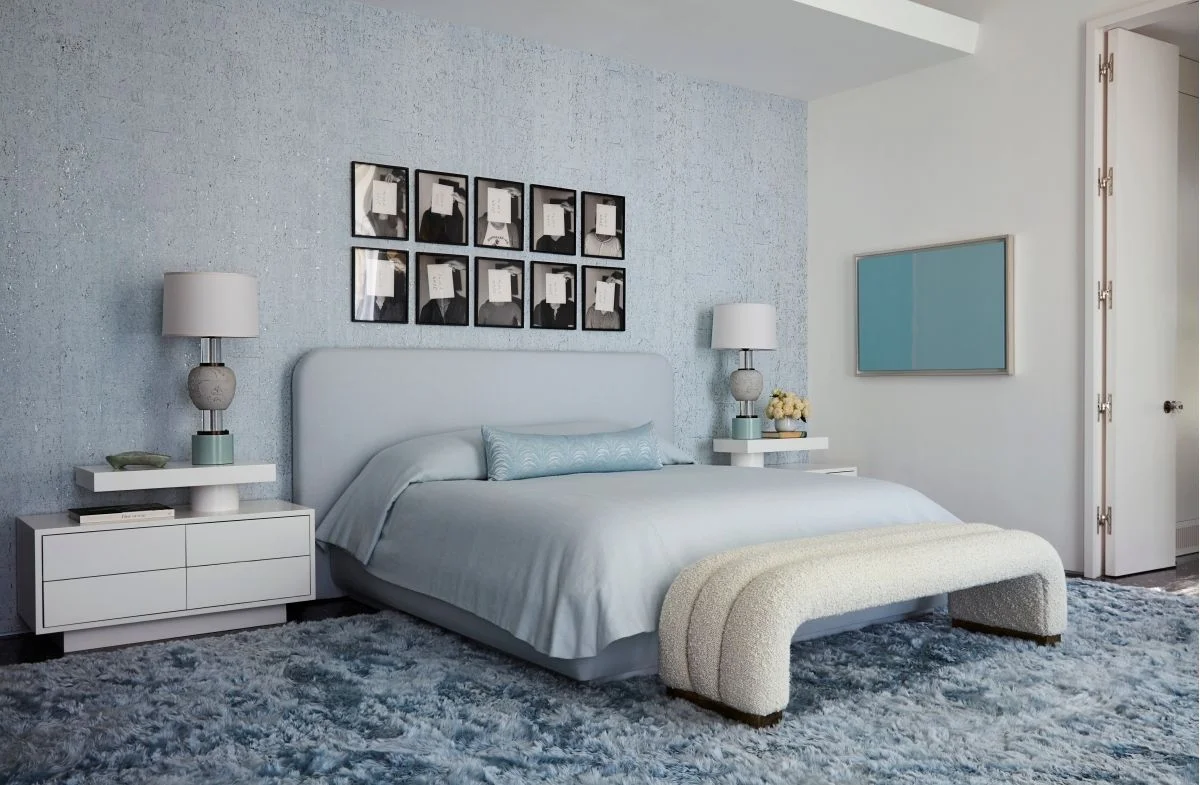
Lumbar pillows may be the last layer you add to a bed, but their low, elongated shape can be the detail that pulls the whole room together. Set one in front of taller cushions and it creates a clean horizontal line, breaking up the vertical stack while giving the bed a more finished appearance. Its color or texture can also answer something missing elsewhere in the room, whether that’s a warmer surface against cool bedding or a subtle pattern among solids. The look appears throughout AD’s archives, from Paloma Elsesser’s Brooklyn home to a classically decorated Southern house. This is a small styling move with an outsized visual effect, though the pillow still needs to relate to the scale and palette of the room.
Decorative Accent or Back Support?
There are two meanings behind “lumbar pillow”: a supportive cushion for the lower back, or a decorative accent for a bed. Both have their place, but they serve different purposes, and a product suited to one won’t necessarily do the job of the other. For this roundup, the focus is on the second: seven picks in linen, wool, velvet, and cotton that can finish a bed, bring a bed frame and sofa into conversation, or offer a little back support in an accent chair. If you’re after an ergonomic option, Cushion Lab has options worth exploring; its best-of list is outside this edit’s scope. And while a lumbar pillow is often the final touch in making a bed, the choice still matters: it sits in front of the taller throw pillows, where guests are likely to notice it first. This is more significant than it looks: the frontmost cushion can set the visual tone for the whole arrangement.
Our Top Picks
The case for an oversized lumbar pillow is simple: one well-scaled piece can do the work of an entire pillow stack. West Elm’s Flax Linen cover is our pick for that role, at $69. Its generous proportions can anchor a queen or king bed, while the linen keeps the look relaxed enough for coastal, minimalist, modern farmhouse, or casual contemporary rooms. The material’s natural texture also gives a broad surface some visual interest without demanding a strong pattern. If you’d rather keep the bed pared back, this may be all the throw pillows you need. If you’re working with a smaller bed, consider how much of the mattress the pillow will cover before choosing an oversized shape.
Best Textured Pillow
The Lulu and Georgia Viveka Pillow makes its case through texture: its raised surface adds depth to a bed or sofa without depending on a bold print or strong color. That restraint can be useful in a room where the main upholstery and bedding already share a quiet palette; texture gives the eye something to register without introducing another dominant hue. At $148, it’s a considered accent for rooms built around quieter neutrals. You can find it at [Shop](https://shop.com/products/7753275670627/viveka-pillow) or [Lulu and Georgia](https://www.luluandgeorgia.com/products/viveka-pillow). The appeal depends on the room around it, so it’s best understood as a finishing layer rather than a piece expected to carry the entire scheme.
Best Velvet Pillow
A 48-inch lumbar pillow can stretch across a queen bed on its own, and Quince’s velvet cover brings a different kind of presence: cotton pile picks up light in a way linen doesn’t. That changing surface gives the cushion dimension, especially when the rest of the bed is made up of flatter, more matte fabrics. Its glacier blue has a cool, slightly silvery cast against white or oatmeal bedding. The cover costs $70, requires dry cleaning, and comes without an insert. If you’re weighing the look against the upkeep, that care requirement is part of the purchase; you’ll also need to source an insert separately. Here’s the thing: the color and sheen may draw the eye, but the practical details determine whether it suits your routine.
Shop Quince’s Velvet Oversized Lumbar Pillow Cover.
Best Colorful Pillow
Color can make a lumbar pillow the most noticeable part of a bed, even when its shape is understated. That can be a useful way to connect bedding with a shade already present elsewhere in the room, or to introduce a controlled accent without changing larger furnishings. And yet, a strong color is less forgiving than a neutral: it may compete with patterned sheets or become the first thing the eye lands on. Keep the rest of the arrangement in mind. One clear accent.
Choosing the Right Scale and Finish
Before settling on a pillow, look at the bed’s width, the height of the cushions behind it, and the materials already in the room. A long pillow can create a strong horizontal anchor, while a more compact one leaves more of the bedding visible. Texture matters, too: linen reads relaxed, velvet catches light, and a raised surface adds dimension without relying on color. These are broad design tendencies, not guarantees; the result depends on how each fabric sits beside the room’s other finishes.
That said, a decorative lumbar pillow doesn’t need to be treated as a permanent fixture. It can move from bed to sofa or accent chair when the room needs a different balance, though its proportions and level of support may suit one spot better than another. What this means for you: choose for the place where you’ll use it most, then let the pillow earn its way into the rest of the room. A useful accent should finish the composition without making the bed harder to live with.
Discussion
Sign in to join the discussion.