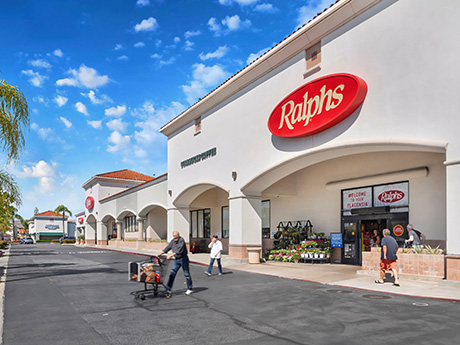
Barings bought the fully leased, 118,876-square-foot Village Center at Rose in Placentia, where Ralphs has anchored the center since 1996.
Ralphs anchor underpins $66.2 million sale
Placentia, Calif. — Village Center at Rose sold for $66.2 million, with CBRE arranging the transaction. The 118,876-square-foot center sits in Placentia, about 35 miles northeast of downtown Los Angeles. Charlotte, North Carolina-based Barings bought the property from First Washington Realty.
The sale puts a familiar retail property type in focus: a neighborhood shopping center whose grocery tenant supplies a regular reason for customers to visit. That role can help distinguish a center from one dependent on occasional shopping trips, though it doesn't establish how much traffic the grocery store generates or how that activity benefits neighboring tenants. The reported sale price gives a headline figure, but the available details don't include the information needed to assess the property's income, expenses or pricing relative to comparable assets.
A long-running grocery anchor
The grocery anchor gives the deal its clearest point of distinction: Ralphs has operated at the center since it opened in 1996 and occupies 37 percent of its gross leasable area. That long-running presence and full occupancy make the property’s tenant mix notable, though the available details don’t explain the sale price’s valuation metrics or the buyer’s plans.
At more than a third of the center's gross leasable area, Ralphs is a substantial tenant by space. Gross leasable area measures the space available to tenants, so the figure describes the grocery store's share of the center rather than its share of rental income, sales or customer visits. Those other measures aren't provided. The distinction matters: a large anchor may shape a property's identity and draw, but square footage alone can't show the economic weight of its lease.
A grocery tenant can support a shopping center by giving nearby residents a practical, recurring reason to visit. That pattern may create opportunities for customers to combine errands with meals, personal services or other purchases. It isn't a guarantee that every neighboring business benefits equally. The mix of uses, tenant performance and lease arrangements all influence how much the anchor's presence translates into value for the rest of the property.
Ralphs' tenure since the center opened is a point of continuity. But the source doesn't say whether the store's lease has been renewed, how long it has left, or what its rental terms are. Those details would help a buyer judge the durability of the anchor's contribution. Without them, the operating history is useful context, not a substitute for lease information.
A varied roster, with limited operating detail
All spaces are leased. Other tenants include Jersey Mike’s Subs, The UPS Store, Cold Stone Creamery, WaBa Grill, Chase Bank, Carl’s Jr., Carbon Health, Phenix Salon Suites and Australian Swim School. CBRE’s seller-side team comprised Jimmy Slusher, Mark Damiani, James Tyrrell and Shaya McClanahan.
The named businesses cover food, shipping, banking, health, personal care and swimming instruction. That variety suggests the center serves more than one kind of errand or visit. Some of these uses may encourage shorter, routine stops; others may bring customers for a scheduled service. The tenant list, however, doesn't show each business's size, lease term or sales performance, and it doesn't establish how customers move between them.
Full occupancy is a clear leasing snapshot, but it doesn't answer every question about a property's income. A fully leased center can still have leases at different rents, expiration dates and expense arrangements. The report gives no breakdown of those terms. For readers assessing the transaction, occupancy is therefore a positive operating fact, while the center's underlying income profile remains unknown.
That difference is easy to miss (and this is the part most people overlook). A list of recognizable tenants can make a property sound straightforward, yet the quality and timing of the leases are central to understanding its cash flow. The source identifies the occupants and reports that all spaces are leased; it doesn't provide enough detail to judge the strength of the leases or the cost of maintaining the center.
What the sale does and doesn't establish
The $66.2 million figure records the reported transaction price. On its own, it doesn't reveal the buyer's expected return, the property's financing, or the assumptions used to set the price. Nor does the sale establish a broader trend for shopping centers in Placentia or the surrounding region. One transaction can be informative about a particular asset without serving as a reliable guide to other properties with different tenants, leases or operating costs.
This is more significant than it looks as a case study in how retail properties are described: the headline combines a recognizable grocery anchor, full occupancy and a sale price, while leaving several measures that would be needed for a deeper valuation analysis undisclosed. That gap doesn't make the reported facts less useful. It does set a limit on what readers can responsibly infer from them.
For a prospective buyer, seller or broker, the reported facts establish a starting profile: a center of nearly 119,000 square feet, with Ralphs occupying 37 percent of its leasable area and all spaces leased at the time described. A fuller account would also need to address rent levels, lease expirations, operating costs and the condition of the property. Those are standard areas of inquiry in shopping-center transactions, but no details on them appear here.
Implications for the property and its next chapter
Barings is now the owner, but its plans haven't been disclosed. The transaction alone doesn't indicate whether the buyer intends to make changes, keep the tenant roster intact or pursue any particular operating strategy. The center's existing occupancy and long-standing grocery presence describe its current position; they don't predict what the owner will do next.
If you're working in this space, the practical takeaway is to separate confirmed operating facts from the questions a sale leaves open. A full rent roll and lease schedule would clarify how much of the center's income depends on Ralphs and when tenant agreements come up for renewal. Information on expenses and property condition would add another layer. Without those details, claims about pricing or future performance would go beyond the available evidence.
For now, the most defensible reading is narrow but useful: Village Center at Rose transferred between institutional owners at a reported price of $66.2 million, with all spaces leased and Ralphs serving as the dominant anchor by area. The center's tenant roster indicates a mix of daily needs, food and services. Its valuation and Barings' intentions remain unanswered.
Discussion
Sign in to join the discussion.