Coffee sites that fit daily routines can attract customers and strengthen investor interest, with leases commonly running 10 to 15 years.
From Site Selection to Investment Sale: How Coffee Expansion Is Shaping Retail Real Estate
Coffee real estate’s appeal starts with a daily habit, but the more consequential story is how an operator’s site criteria can shape an asset’s value years later. A strong location helps a brand capture routine trips; those same qualities can strengthen the case for an investor buying the property. The link between the two is easy to miss when each store opening is viewed on its own.
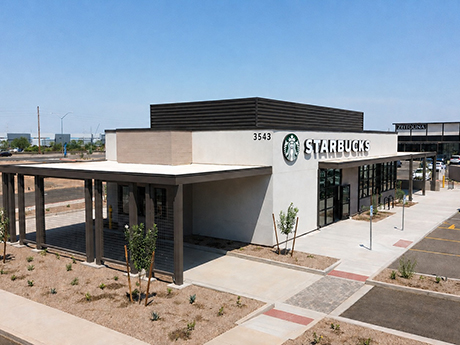
For developers and landlords, national coffee brands’ continued expansion means a steady search for well-sited locations. For investors, occupied properties can pair established operators and durable real estate with contractual rental income. Neither outcome is automatic. Both depend in part on choices made before a store opens.

Where routine meets location
Traffic counts, demographics, visibility and access are familiar measures in retail site selection. Coffee operators have another practical question: does the location fit trips people already make? Morning commutes and school drop-offs are obvious sources of visits, but errands, meetings and other regular outings can bring customers in throughout the day. A convenient stop works with those patterns instead of asking people to detour.
Nearby businesses can help extend activity beyond the morning rush. Retailers, restaurants and service providers may draw people to the area at different hours, adding to the setting around a coffee shop. Drive-thru access can make a site more convenient, too, as brands adjust store formats to how customers use them.
Diversified Partners says it currently works with about 10 coffee brands and has worked on more than 20 coffee-occupied properties. Those include locations involving Starbucks, Dutch Bros., Einstein Bros. Bagels and Black Rock Coffee Bar. More than 10 coffee locations are in development, two of them under construction. The firm’s repeat work with Starbucks and Dutch Bros. has also given it a direct view of how national operators assess expansion sites.
Why the site still matters at sale
Once a property is built and leased, the original site advantages don’t disappear. Access, visibility, local demographics and the potential for recurring traffic can all figure into its investment appeal. That’s why the development story and the eventual sale are connected: decisions made to serve customers can also shape how buyers assess the real estate.
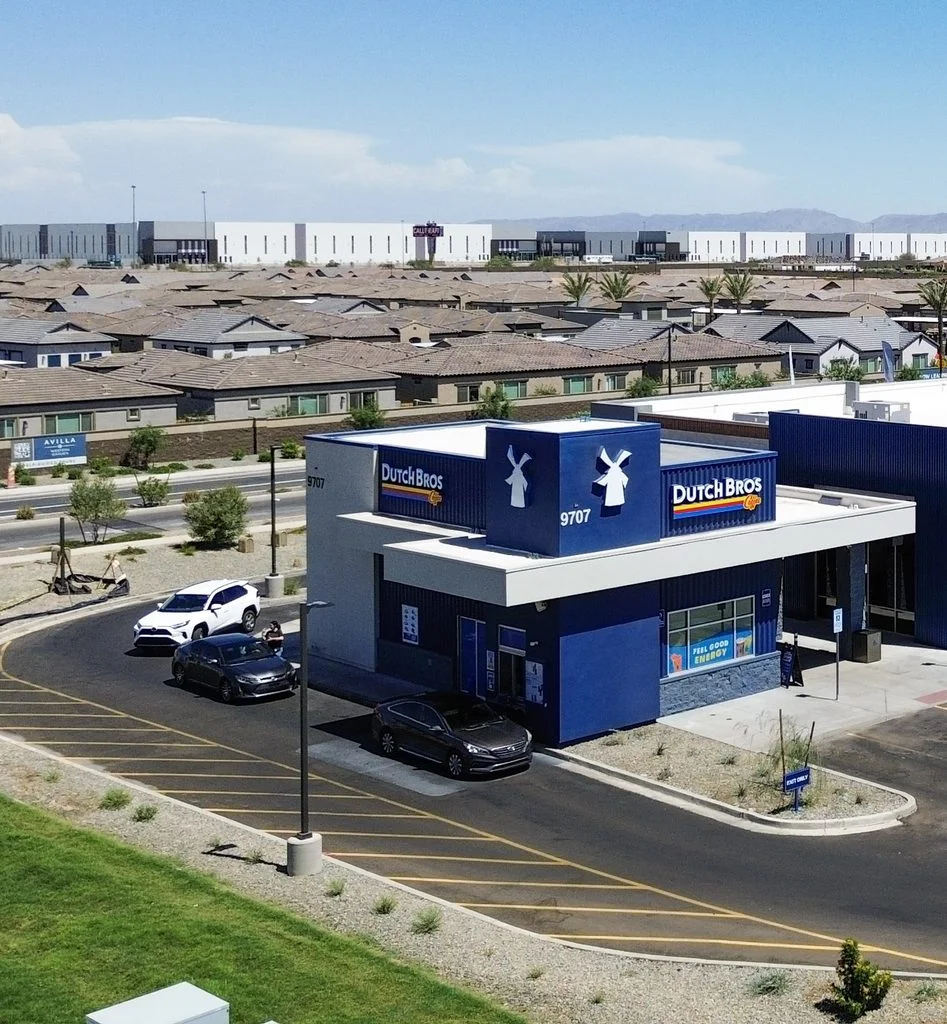
Coffee properties continue to attract attention in the single-tenant net-lease market. The pitch often combines a recognizable operator, frequent consumer demand and long-term lease income. Jackson says the coffee assets he sees typically have lease terms of 10 to 15 years. Regular customer visits may support store performance, which can give buyers more confidence in a tenant’s ability to pay rent—but the available figures don’t establish how every individual store performs.
Diversified Partners expects more than $20 million in coffee-related investment sales over the next 12 to 18 months. The firm also points to engagement with its coffee properties currently on the market as evidence of buyer interest. That’s a meaningful signal of activity, though it doesn’t by itself show how those properties will price or perform.
And a familiar coffee brand on the building is no substitute for underwriting. Buyers still need to examine the property and location, the tenant, lease terms, remaining lease duration and the surrounding trade area. A strong operator can help; it can’t erase a weak site or an unfavorable lease.
One real estate lifecycle
For people working across development, leasing and investment sales, coffee expansion is a reminder to look beyond the store opening. The operator begins by weighing traffic, demographics, access and neighboring businesses. After development and occupancy, many of those same characteristics become part of the buyer’s investment case.
Consumer tastes and store formats will change. Convenience, accessibility, nearby uses and consistent traffic remain central to the location decision described here. When those conditions align with a brand that becomes part of customers’ routines, the property may serve both as a useful retail site and as an investment asset. The starting point is still the same: choose the location carefully.
— John K. Jackson, Senior Vice President of Investment Sales at Diversified Partners
Related retail coverage
For a broader view of the forces shaping retail real estate, these recent reports cover slower ground-up development, investment in high-growth Western submarkets and Florida, experiential retail, and shopping centers’ efforts to turn World Cup interest into visits:
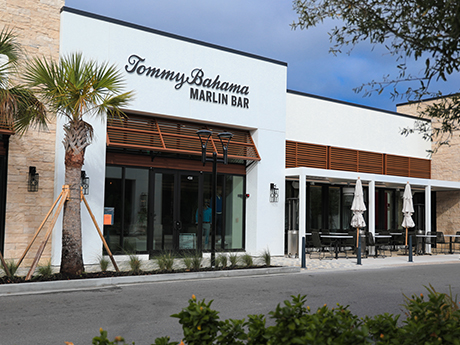 Why Ground-Up Retail Development Has Slowed and How the Market Is Adapting — September 25, 2026
 Retail Activity in Western States Focused on High-Growth Submarkets — September 18, 2026
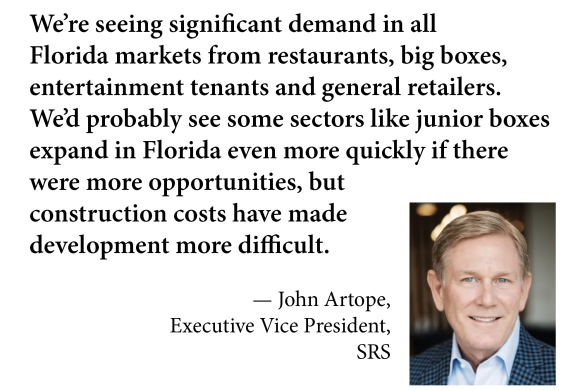 Growth-Minded Florida Drives Retail Expansion, Development, Investment — August 24, 2026
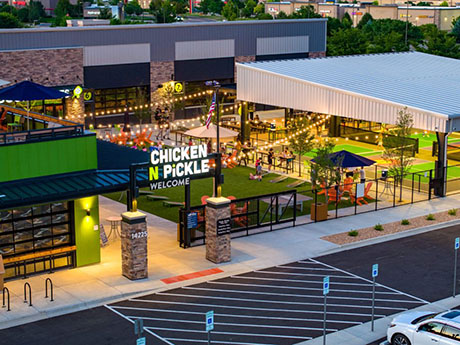 From Courts to Community: How Chicken N Pickle Helped Create Experiential Retail’s Next Chapter — August 17, 2026
 How Retail Centers Turned World Cup Fever Into Foot Traffic — August 12, 2026
Discussion
Sign in to join the discussion.