A New York private group bought Cincinnati’s 43,071-square-foot Springdale Town Center for $7 million, 99% of asking price.
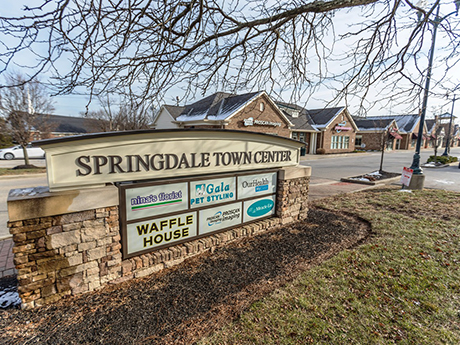
Springdale Town Center’s $7 million sale closed near its asking price, with a private New York group paying 99 percent of the list price for the Cincinnati property. That narrow gap between list and sale price is a clear signal about this particular transaction: the buyer accepted the seller’s asking level, and the seller secured nearly all of it. It doesn’t, by itself, establish how the property was valued, how competitive the bidding was, or whether similar centers would command the same terms.
The sale points to buyer interest in a neighborhood center that combines retail and medical services. That combination can broaden the kinds of businesses drawing customers to a property, though the tenant list alone can’t tell us how much space each occupies, how long leases run, or what the center’s occupancy and income look like. Here’s the thing: a headline price is useful, but it’s only one piece of the property’s operating picture.
Cooper Commercial Investment Group negotiated the deal. Bob Havasi and Dan Cooper represented the seller, an East Coast-based private investment group. The source doesn’t identify the buyer beyond describing it as a private New York group, so the transaction offers little detail about the purchaser’s wider strategy or plans for the center.
Retail and medical tenants
The 43,071-square-foot center was built in 2007 and has 13 tenants. Its lineup includes Waffle House, Republic Finance, Cincinnati Foot & Ankle Care, Marathon Healthy, Subway, Domino’s Pizza and Proscan Imaging. Those names show a mix of food service, financial services and healthcare-related uses, with tenants serving different customer needs.
That mix may help a neighborhood center avoid relying on a single type of business to bring people through its doors. Food businesses can draw routine visits, while healthcare services may serve customers on a different schedule and for different reasons. Finance adds another category of service. Still, diversity on a tenant roster shouldn’t be mistaken for proof of stable performance: the available details don’t disclose tenant sales, lease terms, renewal options, vacancies or operating costs.
Nor does the presence of several recognizable businesses settle the question of how the property functions day to day. Tenant count gives a basic sense of the center’s composition, but it doesn’t show how the space is divided or whether all tenants have comparable importance to the property’s income. And this is the part most people overlook: a varied lineup can be a point of appeal, while the durability of that lineup depends on lease and operating details not provided here.
What the sale price tells us
A sale at 99 percent of asking price is close to the seller’s stated target. That’s notable, but the figure needs careful handling. Asking price is a starting reference, not a standardized measure of value, and a sale close to that number doesn’t reveal what either side knew about the property’s condition, income or future costs. The source also doesn’t say whether the price reflects any concessions or other terms negotiated alongside the sale.
For a neighborhood retail property, buyers typically look at more than the mix of tenants and the building’s age. They’ll also assess the rent roll, lease expirations, expenses, maintenance needs and the appeal of the location to current and prospective tenants. Those are general considerations in this category of transaction, not reported findings about Springdale Town Center. Without those details, the sale price can’t be turned into a reliable comparison with other centers or a measure of the buyer’s expected returns.
This is more significant than it looks as a single deal report, but the significance is limited: the price suggests that the buyer and seller reached agreement close to the seller’s ask. It doesn’t establish a broader trend in Cincinnati retail or prove that mixed retail and medical centers are drawing stronger demand across the market. One transaction offers a data point. More comparable sales, alongside operating information, would be needed to judge whether it signals a wider shift.
Why the tenant mix matters
Retail and medical uses can complement one another in a center because they may answer different local needs. A customer might visit for a meal, a routine service or a health appointment; the range can make a property useful for more than one kind of trip. For landlords, a broader mix can also spread exposure across different business categories. But the arrangement isn’t automatically protective: each tenant still faces its own costs, customer demand and business pressures, and the property’s performance depends on the details of its leases and occupancy.
Springdale Town Center’s reported roster supports a straightforward description: it’s a 13-tenant property with food, finance and medical uses. The information doesn’t establish whether those businesses share customers, whether their hours overlap, or how much each contributes to the center’s revenue. Those distinctions matter when evaluating how a center works as a commercial property. A list of tenant names gives readers a useful first impression, not a complete operating assessment.
If you’re working in this space, the practical takeaway is to read the sale price alongside the property’s basic facts, then look for the missing operating context before drawing broader conclusions. The reported 43,071 square feet, 13 tenants and 2007 construction date help define the asset. They don’t explain the buyer’s underwriting or the seller’s reasons for accepting the deal.
Implications for the Cincinnati market
With the sale completed near asking price, Springdale Town Center adds a notable transaction to the region’s retail property market. The sale may be of interest to owners and brokers tracking neighborhood-center activity, particularly because the tenant lineup includes both retail and medical services. Yet the report provides no basis for assigning a market-wide meaning to this single sale. It doesn’t describe other transactions, local leasing conditions or changes in demand.
That said, the deal gives a concrete example of a buyer acquiring a center with several types of tenants rather than a single-purpose property. Whether that structure influenced the price is unknown. The same uncertainty applies to the role of location, leases, property condition and other terms. Without those facts, it’s safer to treat the transaction as a useful point of reference than as a template for pricing other Cincinnati centers.
For now, the clearest account is also the most restrained: a private New York group bought a 43,071-square-foot Cincinnati center for $7 million, paying 99 percent of the asking price, in a transaction negotiated by Cooper Commercial Investment Group. Its 13 tenants span food service, finance and healthcare. A close-to-ask sale is a firm result for the seller, but the next useful questions concern the center’s leases, income and operations. Those details would show far more about the property’s prospects than the sale price alone.
Discussion
Sign in to join the discussion.