The 70,659-square-foot Bartlett retail center sold for $11.1 million with nine tenants and 94% occupancy.
A mostly leased center changes hands near Memphis
Wolf Run Plaza sold for $11.1 million with 94 percent of its 70,659 square feet leased and nine tenants in place. That occupancy gives Gregory Realty GP an operating base from day one, but it doesn’t tell the full story of the property’s income or condition. The available details don’t identify the vacant space, explain how long it has been empty, or disclose the tenants’ lease terms.
Those gaps matter because a retail property’s occupancy rate is only a snapshot. Two centers with the same leased share can have very different prospects depending on how much rent each tenant pays, when leases expire, what costs the owner covers, and whether vacant space is ready to lease. The reported figure is useful, but it can’t by itself establish how predictable the plaza’s income will be.
Still, 94 percent leased is a substantial starting point for a buyer taking ownership of a multi-tenant retail property. The remaining vacancy is a consideration, but the center wasn’t described as empty or dependent on a future leasing turnaround to begin producing revenue. This is more significant than it looks: the sale combines an existing tenant roster with an open question about the space that roster doesn’t occupy.
What the tenant mix tells us
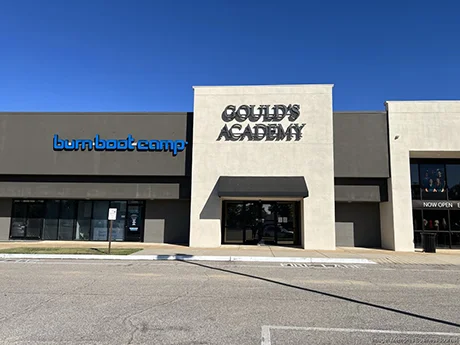
Wolf Run Plaza’s named tenants include Guitar Center, Gould’s Academy, TCBY and Pump It Up. The list points to a mix of retail, educational and activity-oriented uses, rather than a center identified solely with one type of store. The source names four tenants but says nine are in place, so the remaining occupants aren’t specified.
A mix of uses can shape how customers interact with a shopping center. Some businesses may draw repeat visits tied to lessons, classes or scheduled activities; others may depend more on shopping trips or food purchases. That’s a general distinction, not a claim about the plaza’s actual traffic or sales. Without tenant-level performance information, the names offer clues about the property’s character, not a reliable measure of its trading strength.
There’s another practical point. Tenants can differ in how much space they occupy and how their lease arrangements affect the owner’s responsibilities. A count of nine businesses doesn’t reveal whether space is evenly divided, whether a single tenant accounts for a large portion of the rent, or whether leases are staggered. (And this is the part most people overlook.) The tenant roster is a starting point for understanding the asset, not a substitute for the leases and operating records behind it.
Location and the scale of the asset
The plaza is in Bartlett, Tennessee, about 15 miles northeast of downtown Memphis. That places the property within the broader Memphis area while distinguishing it from a downtown retail address. The distance alone doesn’t establish who shops there, how far customers travel, or how the center competes with nearby retail. Those questions depend on local access, surrounding businesses and the needs of residents and workers.
At 70,659 square feet, Wolf Run Plaza is a neighborhood-scale retail property, not a regional mall. Properties of this kind are often judged through the fit between their tenant lineup, available space and nearby customer base. An owner’s day-to-day work can include maintaining shared areas, managing tenant needs, handling vacancies and keeping the property attractive to businesses seeking space. The source doesn’t describe the plaza’s physical condition or operating arrangements, so those remain unknown.
For a buyer, location and size are most useful when considered alongside leasing information. A vacant suite may be easy or difficult to fill depending on its layout, visibility and suitability for the businesses that want to operate nearby. The same factors can affect how quickly a tenant can open after signing a lease. No details on the vacant portion are available here. The address and square footage define the asset, but they don’t settle the leasing question.
The transaction and its participants
Cushman & Wakefield | Commercial Advisors brokered the transaction. Brian Califf of NAI Saig Co. represented Gregory Realty GP, which is led by local investor Hulet Gregory. Landon Williams and Ryan Thomas of Cushman & Wakefield | Commercial Advisors represented the sellers: Kosten Alan L and Susan M Kosten Living Trust, and Judy Rosenblum Revocable Trust.
The reported purchase price was $11.1 million, according to the Memphis Business Journal. The price provides a clear headline figure, but it doesn’t disclose the transaction’s financing, the parties’ negotiating positions or how the property’s income was assessed. Nor does it show whether the buyer plans to make changes to the center. Those details aren’t in the available account, and it would be a mistake to read a strategy into the sale without them.
In commercial property coverage, a recorded price and brokerage representation help establish what changed hands and who participated. They’re less revealing about the underwriting behind the purchase. A buyer assessing a multi-tenant center typically needs to understand rent, lease duration, operating costs, capital needs and the risk of tenant turnover. Here, the reported occupancy and tenant names offer part of that picture; they leave much of the financial detail unreported.
What the sale may mean for the property
Gregory Realty GP takes over a center that was mostly leased at the time of the sale. The immediate task is likely to include managing the existing tenant relationships and addressing the unleased portion, though the source doesn’t describe the buyer’s plans. The distinction matters: a high occupancy rate can support continuity, while even a relatively small vacancy can create uncertainty about future income and the costs of preparing space for a new tenant.
If you’re working in this space, the key follow-up questions are straightforward: what portion of the property is vacant, how are leases distributed across the nine tenants, and when do those agreements expire? Information on rent, property expenses and physical condition would add more context to the $11.1 million sale. None of those details is provided, so the sale shouldn’t be treated as evidence of a broader trend in Memphis-area retail on its own.
That said, the transaction offers a useful snapshot of how a suburban retail asset can change hands with most of its space occupied and some leasing work still ahead. The headline occupancy is encouraging, but it isn’t a full account of performance. For now, the clearest reading is also the most restrained: Wolf Run Plaza sold with a substantial tenant base, a limited but unexplained vacancy, and room for more information about the economics behind the deal.
Discussion
Sign in to join the discussion.