The 260,876-square-foot Crossroads at Terrell, built from 2019 to 2024 and fully leased, has been acquired by Younger Partner Investments and Terrell Younger LLC.
Fully leased Terrell center changes hands
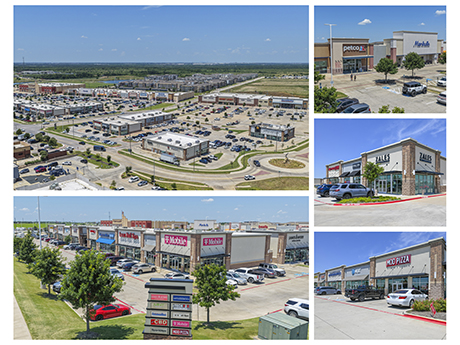
The standout detail in YPI’s purchase of Crossroads at Terrell is the combination of full occupancy and recent construction. Younger Partner Investments and Terrell Younger LLC acquired the 260,876-square-foot power center in Terrell, Texas, about 30 miles east of Dallas. The 29-acre property was developed between 2019 and 2024.
That timeline gives the transaction a different profile from a sale of an older center where buyers may need to weigh deferred maintenance, space upgrades or a drawn-out leasing campaign. Crossroads at Terrell was developed in stages over several years, and its reported full occupancy means the buyers took ownership of a center with tenants in place across its space. That’s a useful starting point, though it doesn’t answer how durable the income will be. Occupancy describes whether space is leased; it doesn’t disclose rent levels, lease duration, tenant options or the costs tied to operating the property.
The property’s scale also matters. At more than 260,000 square feet on 29 acres, it’s a substantial retail center, with the land area providing room for the buildings and associated site functions. The description identifies it as a power center, a format generally organized around large retail tenants and supported by a mix of other stores and services. The category can give shoppers several reasons to visit in one trip, but the label alone says little about individual store performance or how often customers return.
A broad retail mix, with limits to what it shows
Its tenant lineup spans several major retail categories: Academy Sports + Outdoors, Hobby Lobby, Marshalls, Bealls, Ross Dress for Less, Petco, Ulta Beauty, Five Below and Buffalo Wild Wings, among others. Full leasing gives the buyers an operating property with no reported vacancy at closing. The available details don’t disclose the purchase price or lease terms, so they offer only a partial view of the investment.
The named retailers cover sporting goods, crafts, apparel, discount merchandise, pet supplies, beauty, value-oriented shopping and dining. That range suggests a center built around multiple shopping missions rather than a single product category. A customer might visit for a planned purchase, browse several stores, or combine shopping with a meal. The tenant list is evidence of variety, but it isn’t a measure of sales, customer traffic or tenant health.
And this is the part most people overlook: a fully leased center can still have meaningful exposure to lease expirations and tenant turnover. Without lease terms, readers can’t tell when space might come back to market, whether rents reset soon, or how much income comes from any one tenant. The disclosed facts support a clear statement about occupancy at closing, but they don’t establish that every tenant will remain for the same period or that the current rent roll matches market conditions.
The roster may also help explain the appeal of the property to buyers seeking an already operating retail asset. Multiple categories can spread the center’s activity across different shopping needs, while recognizable tenants may make the mix easier for consumers to understand. Still, tenant names aren’t a substitute for operating details. The deal announcement provides no sales figures, tenant-by-tenant rent information or data on the center’s customer draw.
Advisers and financing
Kathy Permenter and Moody Younger of YPI represented the buyers. RealtyLink LLC, the seller, was represented by Philip Levy of Institutional Property Advisors and Chris Gainey of Marcus & Millichap.
The representation details show that both sides worked with commercial real estate brokers familiar with investment sales. They don’t reveal how long the property was marketed, whether other buyers competed for it, or how the parties settled on a price. Those are common points of interest in a transaction, but they can’t be filled in from the disclosed information.
IPA’s Adam Mengacci and Travis Headapohl arranged acquisition financing through a regional bank, alongside preferred equity from a national REIT. That capital mix is a notable part of the transaction, though the terms and the REIT’s identity weren’t disclosed.
The structure indicates that the purchase drew on more than one source of capital: bank financing and preferred equity. In broad terms, preferred equity can provide an additional layer of funding within a property investment, but the announcement doesn’t specify its position, economics or relationship to the bank loan. Without those terms, it’s not possible to assess how the financing shaped the purchase or the buyers’ expected returns.
The lender and equity provider also remain only partly identified. The bank is described as regional and the REIT as national, but no names or amounts are given. That leaves readers without the information needed to compare the financing with other retail acquisitions or judge how much capital the buyers contributed themselves. The disclosed arrangement is relevant; its details are limited.
What the transaction signals
This is more significant than it looks as a snapshot of a fully occupied retail asset changing hands. The combination of a recent development period, a broad tenant roster and no reported vacancy at closing gives the buyers an established operating base. It also leaves key questions unanswered, especially about rents, lease durations, the acquisition price and the cost of debt and equity.
If you’re working in this space, the distinction between a strong leasing headline and a complete picture of property performance matters. Full occupancy can reduce the immediate burden of filling empty space, but it doesn’t tell you whether rents are competitive or whether upcoming lease decisions could alter the income stream. For readers tracking the retail market, the sale is evidence of a buyer taking on a leased center near Dallas; by itself, it isn’t evidence of pricing strength across the wider market.
Terrell’s location about 30 miles east of Dallas places the center within the orbit of a major metro area, as described in the transaction announcement. That geographic context helps locate the property, but no demographic, traffic or retail sales data were provided to show how local demand supports its tenants. Any assessment of the center’s reach or trade area would need information beyond what’s available here.
There’s a useful, if incomplete, read on the deal: buyers acquired a sizable center with tenants in place, and the financing combined bank debt with preferred equity. The missing terms matter. Until the price, lease profile and capital details are known, the transaction can be described as a fully leased acquisition, but its valuation and longer-term performance remain difficult to judge. For now, the clearest takeaway is the asset’s operating status at the time of sale. A full rent roll and the economics behind the capital stack would provide the next layer of context.
Discussion
Sign in to join the discussion.