Modern children's spaces blend nostalgia and function, featuring teen lounges and retro landlines to foster real-world connections and independence.
**Redefining Spaces for the Next Generation**
As we transition into a digital-first age, the approach to designing children's spaces is undergoing a profound shift. Today's kids interact with the world through screens, yet they still yearn for places where they can connect in person. Interior designers are recognizing this paradox and crafting environments that cater to the social needs of tweens and teens. The latest trends reveal a fascinating blend of nostalgia and contemporary functionality.
**Landlines Make a Comeback**
Remember the digital anxieties that come with parenting? Kids are asking for cell phones at younger and younger ages, putting pressure on parents to navigate this modern dilemma. AD100 designer Neal Beckstedt shared an interesting solution he encountered: the revival of landlines. His clients, perhaps relieved at the idea, embraced the practicality of having a home phone for emergencies, a stark contrast to reliance on cell service that can falter. This retro response not only satisfies parents' concerns but also allows children to feel a sense of independence without the digital distractions that smartphones bring. For families looking to merge nostalgia with function, faux-landlines—smart devices that mimic the aesthetics of old-school phones yet connect via Wi-Fi—are a hot trend. Companies like Tin Can offer playful, colorful options, allowing kids to enjoy a screen-free experience while giving parents peace of mind.
Chet Kittleson, co-founder of the Seattle startup behind these phones, points out that when kids ask for smartphones, they’re really expressing a desire for connection. These playful designs do more than serve a functional role; they become stylish statements in a child's room. Parents can use accompanying apps to manage who their children can contact, blending safety with autonomy.
**The Rise of Teen Lounges and Rec Rooms**
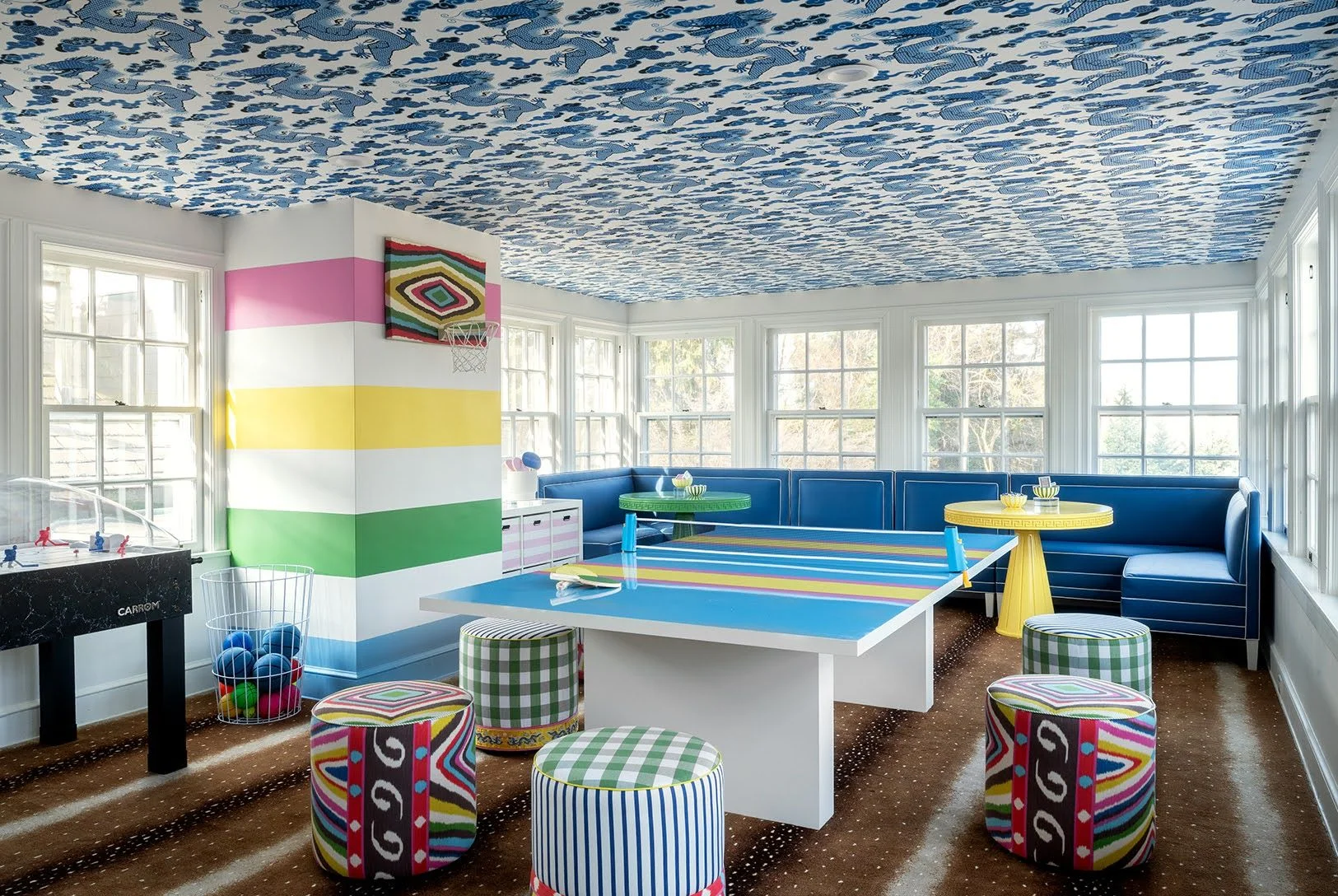
In response to the pervasive screen time, the concept of the "teen lounge" is gaining traction. Designers are creating inviting spaces where kids can socialize in real life. As interior designer Zoe Feldman notes, these lounges strike a balance between comfort and style; they include plush sofas and versatile furniture options that can be rearranged for flexibility. This isn’t about retro bean bags and lava lamps; it’s creating sophisticated areas that still resonate with the youthful spirit.
Elizabeth Graziolo, principal of Yellow House Architects, refers to these lounges as “slumber party rooms,” emphasizing the need for adaptability. By incorporating soft furnishings that double as storage or extra seating, designers can maximize utility while keeping the ambiance relaxed. Game tables—everything from foosball to ping-pong—serve as central attractions, encouraging kids to engage with each other rather than isolating themselves online. Megan Gorelick, whose firm specializes in these environments, emphasizes that fostering real-world connections is the goal. As more families lean into these recreational spaces, the trend towards analog activities like game nights signals a refreshing shift away from digital distractions.
The exploration of these new spaces reflects a broader understanding of childhood today: kids still crave community and shared experiences, even amidst the rise of technology. As designers rethink how to shape these environments, it’s clear they’re not just creating rooms; they’re cultivating essential social spaces for the next generation.
Discussion
Sign in to join the discussion.