Mark Zuckerberg's purchase of Strancally Castle for $23-$35 million reflects a notable addition to his real estate portfolio, highlighting his ties to Ireland.
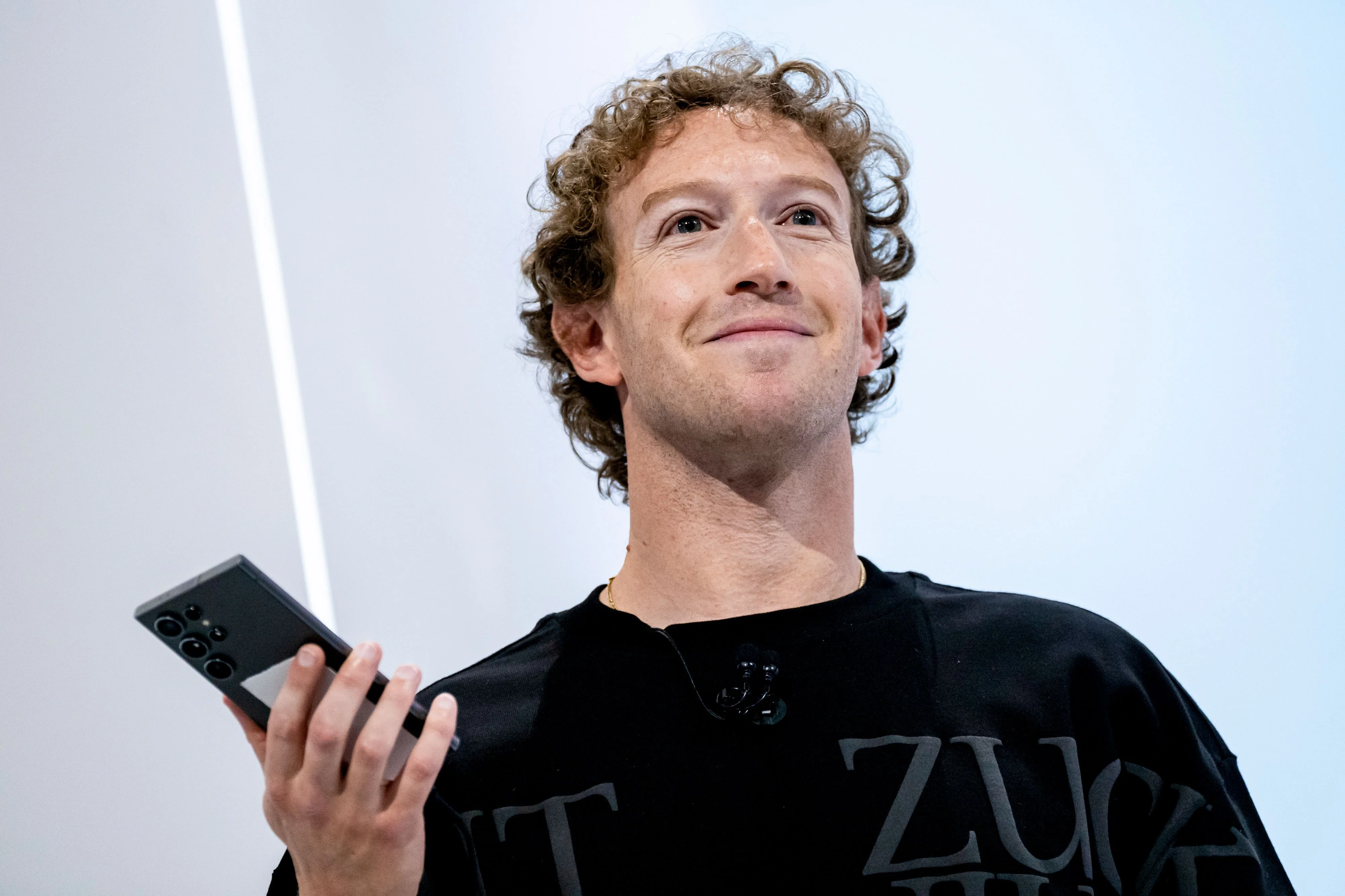
The founder of Facebook and one of the world’s wealthiest individuals, Mark Zuckerberg, has recently ventured into a unique real estate acquisition: Strancally Castle, a historic Gothic Revival estate located in County Waterford, Ireland. This transaction, which took place off-market, may have cost Zuckerberg and his wife, Priscilla Chan, between €20 million and €30 million, roughly translating to $23 million to $35 million, according to reports.
The castle spans 16,000 square feet and is set on a picturesque 440-acre estate along the River Blackwater. Originally constructed in the early 1830s for John Keily, a former parliamentary member, the residence has seen extensive renovations and revitalization in recent years. Modern comforts, including an indoor swimming pool, have been added to enhance the historic property.
Historic Significance
The allure of Strancally Castle extends beyond its luxurious amenities. The estate’s roots trace back to a much older structure, the original Strancally Castle, reportedly established in the 12th century. This earlier version has some fascinating and somewhat dark tales associated with it, including the infamous trap door that sent its victims to watery graves. Historical accounts suggest that the original castle faced destruction due to violent conflicts in the area, echoing its tumultuous past. Today, this backstory adds a layer of mystique that tends to attract affluent buyers, particularly those with an eye for heritage and narrative.
While most newly constructed homes focus on sleek modern designs, properties like Strancally Castle offer a tangible connection to history. These investments are often less about creating a luxury lifestyle and more about preserving a notable piece of culture. Mark Zuckerberg appears to be part of a trend among the ultra-wealthy who are opting for homes that resonate with their personalities and interests, opting for stories over sterile boxes.
Moreover, the significance of such historical properties extends into the broader context of heritage conservation. When high-profile figures invest in historical homes, they potentially draw attention to preservation efforts and raise awareness about the importance of safeguarding architectural history. In a climate where many historic sites are under threat from urban expansion and neglect, this type of transaction could inspire more wealthy individuals to consider similar acquisitions, adding a positive layer to the narrative of luxury consumption.
Zuckerberg's Broader Real Estate Strategy
This acquisition aligns with Zuckerberg's expanding real estate portfolio, which includes a range of luxurious properties from his substantial Kauai compound to a recently purchased $170 million residence in Miami, as well as a $23 million mansion in Washington D.C. It appears that Zuckerberg is keen on investing in distinctive and historically rich properties, which not only serve as personal retreats but may also bolster his public persona.
Making bold property purchases, especially in diverse locations, can be seen as a way for Zuckerberg to diversify his investments. Real estate often acts as a hedge against market volatility. So, while on one hand, these castle acquisitions signal a departure from the more conventional investments that tech moguls usually favor, they also underscore a strategic layering of assets. You have to wonder if Zuckerberg considers these stately homes as not just places to retreat, but also as part of a larger portfolio strategy aimed at long-term stability.
A spokesperson for Zuckerberg mentioned that he and his family are eager to preserve this historic home while spending time in Ireland, where Meta operates its international headquarters. This statement is significant in that it serves not only as a public relations gesture, but also signals an intention to embed their presence into the local community. It suggests an understanding that property ownership comes with a social responsibility, especially in regions rich in culture and history.
The choice to invest in Strancally Castle doesn't merely showcase Zuckerberg's financial means; it reflects a deeper appreciation for heritage and community. Many billionaires choose to invest in locations that offer them privacy and exclusivity. In contrast, Zuckerberg's connection to Ireland through Meta may indicate a different angle—one where he’s thinking about how his personal presence can mesh with his business interests.
Implications for Wealthy Investors and the Future of Historic Properties
The $20 million to $30 million price tag of Strancally Castle isn't just a reflection of its physical attributes; it embodies a larger trend that wealthy investors are beginning to follow. History shows that investments in unique properties often yield gains not just in real estate terms, but also in social capital. The trend toward acquiring historic estates could signify a pivot in what aspiring mega-wealthy individuals look for in their assets.
With high-profile figures buying into these storied properties, it raises questions about how these investments might impact communities and economies. When tech moguls purchase significant estates, it can lead to increased attention to local heritage, but it can also create tension related to gentrification and rising property values, often making it harder for locals to afford living in such areas. (And this is the part most people overlook.)
As the tech sector faces scrutiny over issues like data privacy and monopolistic behavior, Zuckerberg's purchase can be viewed as a bid to reshape his image while investing in a part of history. If you're working in this space, you might consider what these moves indicate in terms of the motivations and behaviors of the ultra-wealthy. The allure of historic estates could redefine how wealth is displayed and preserved. This brings us to a significant question: is this just a passing phase, or are we witnessing the beginning of a broader cultural shift towards valuing heritage in luxury investments?
From its rich history to its expansive grounds, Strancally Castle represents an ambitious move for Zuckerberg, reflecting both his wealth and an appreciation for heritage in his property selections. Whether this forms a lasting trend remains to be seen, but it's clear that the implications of such acquisitions reach far beyond mere transactional value.
Discussion
Sign in to join the discussion.