From a 1980s San Jose starter home to a $38 million Pacific Heights mansion, Jensen Huang's property moves trace Silicon Valley's price climb.
Jensen Huang's Property Trail
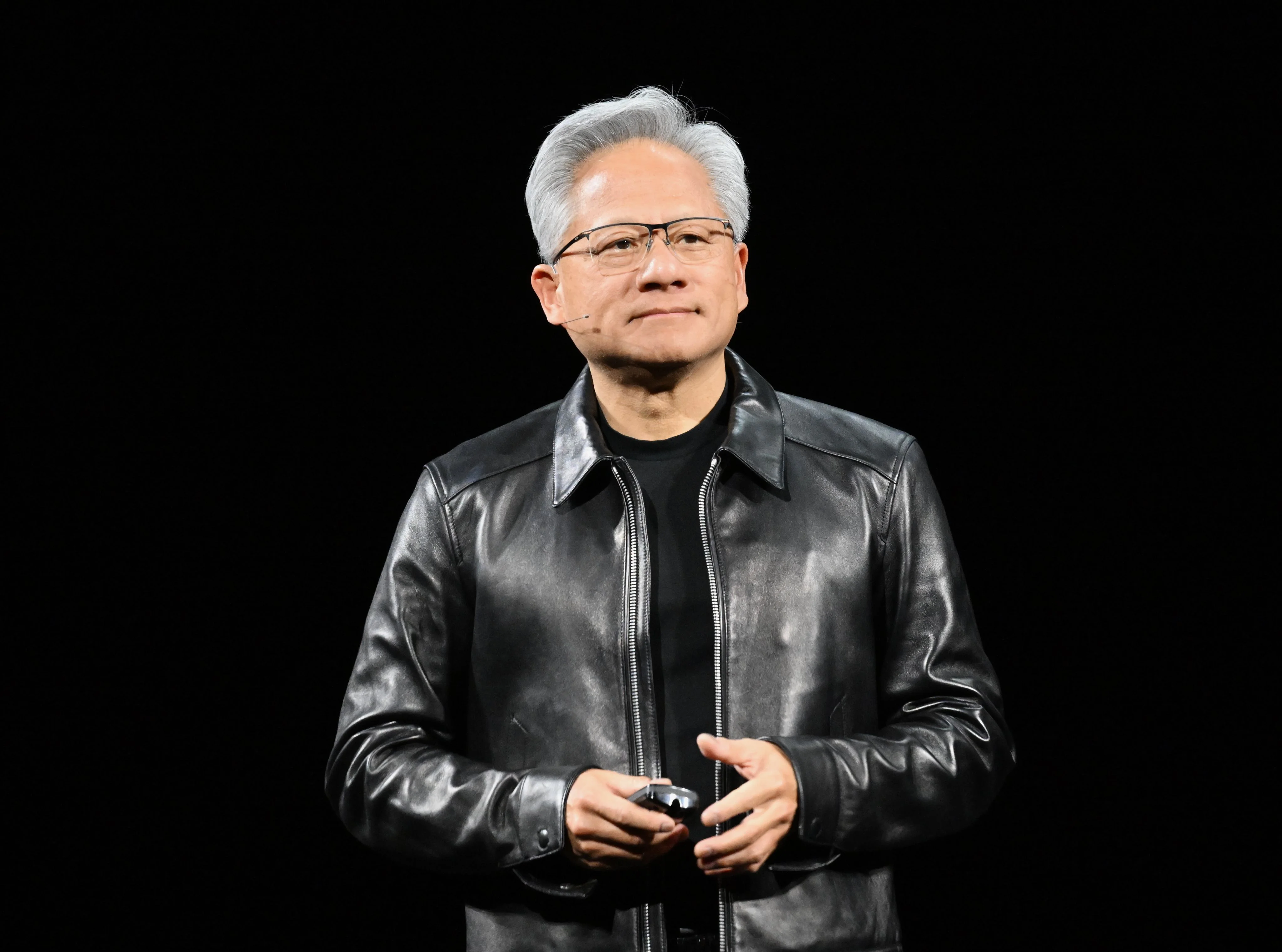
Jensen Huang's property history reads like a map of Silicon Valley's price climb. Over roughly four decades, the Nvidia co-founder went from a modest three-bedroom in San Jose to an 11,400-square-foot mansion on San Francisco's Gold Coast, and each step tracks a different chapter of the Bay Area market. It's a useful lens because it follows one buyer's money through the same region at rising price points. That's more revealing than a stack of market averages, though it's still one person's story.
A starter home in San Jose
Huang and his wife, Lori, met as lab partners in an electrical engineering class at Oregon State University and married shortly after graduating in 1984. The couple headed to Silicon Valley to start careers as microchip designers, and their first purchase was a 1,500-square-foot, three-bedroom house in San Jose. The purchase date and price aren't clear from the record, so any analysis of that first buy has to start with a gap. What is clear is that Huang sold the place in 1988 for $185,000. A modest first home is the normal starting point for two young engineers, and nothing here suggests the couple was doing anything unusual.
Trading up in San Jose
That same year, the couple bought a larger home in San Jose for $338,000. The 2,300-square-foot property had four bedrooms, and Huang was living there when he co-founded Nvidia in 1993. He sold it in 2002 for $500,000, a gain of roughly 48 percent on the purchase price. Not a windfall by today's standards, but a sign of how quickly the local market was moving.
The timing is the interesting part. The couple sold one house and bought a bigger one in the same year, and the second purchase cost about 83 percent more than the first sale brought in. The source doesn't explain how they financed that jump, and you'd want those details before drawing conclusions about their finances. What it does show is that a trade-up in this market could happen quickly, not over a decade of patient saving.
Spread the 48 percent gain over the fourteen years they owned the house and you get roughly 3 percent a year. That's before mortgage interest, property taxes, repairs, and selling costs, none of which the source addresses. Strip those out and the real return looks thinner. I'd be careful calling this a success story on the strength of the headline figure alone.
Los Altos Hills and a new build
The next move signaled a real step up. In 2003, the Huangs paid $6.9 million for a newly built six-bedroom house in Los Altos Hills, an upscale enclave about 15 miles from Nvidia's headquarters. The two-story, 7,000-square-foot home includes a resort-worthy swimming pool, and the couple still owns it. That purchase marks the point where the family's address moved from a working neighborhood to one of the Peninsula's most exclusive zones.
Put that $6.9 million next to the $500,000 they got for the San Jose house the year before, and the jump is close to fourteen times. That's the steepest move in the entire sequence, and it happened in a single step. (And this is the part most people overlook: the buyer didn't just upgrade the price tier, they changed the type of asset.)
Buying new construction changes the math in a few ways. A buyer of a newly built home generally has more say over layout and finishes than a buyer of a resale, and that control is part of why new homes can command a premium. The trade-off is that new builds carry different risks, including questions about build quality and timing. The source doesn't say whether any of that applied here.
A Maui retreat
A year later, Huang spent $7.5 million on an oceanfront estate inside Wailea Resort, an exclusive gated community on Maui's south side. The contemporary mansion has seven bedrooms across about 8,000 square feet. It's the one major holding outside the Bay Area, and the couple maintains it to this day. Here's the thing: it's the only real break in a pattern that otherwise stays close to Silicon Valley.
A second home on Maui is more than a lifestyle purchase. It's a bet that wealth and time can be split across two very different markets. Resort-area homes like this often sit unoccupied for stretches, so owners tend to weigh upkeep and travel against how often they actually stay. The source doesn't say how often the Huangs use the place.
Expensive, and a long way from the office.
Pacific Heights mansion
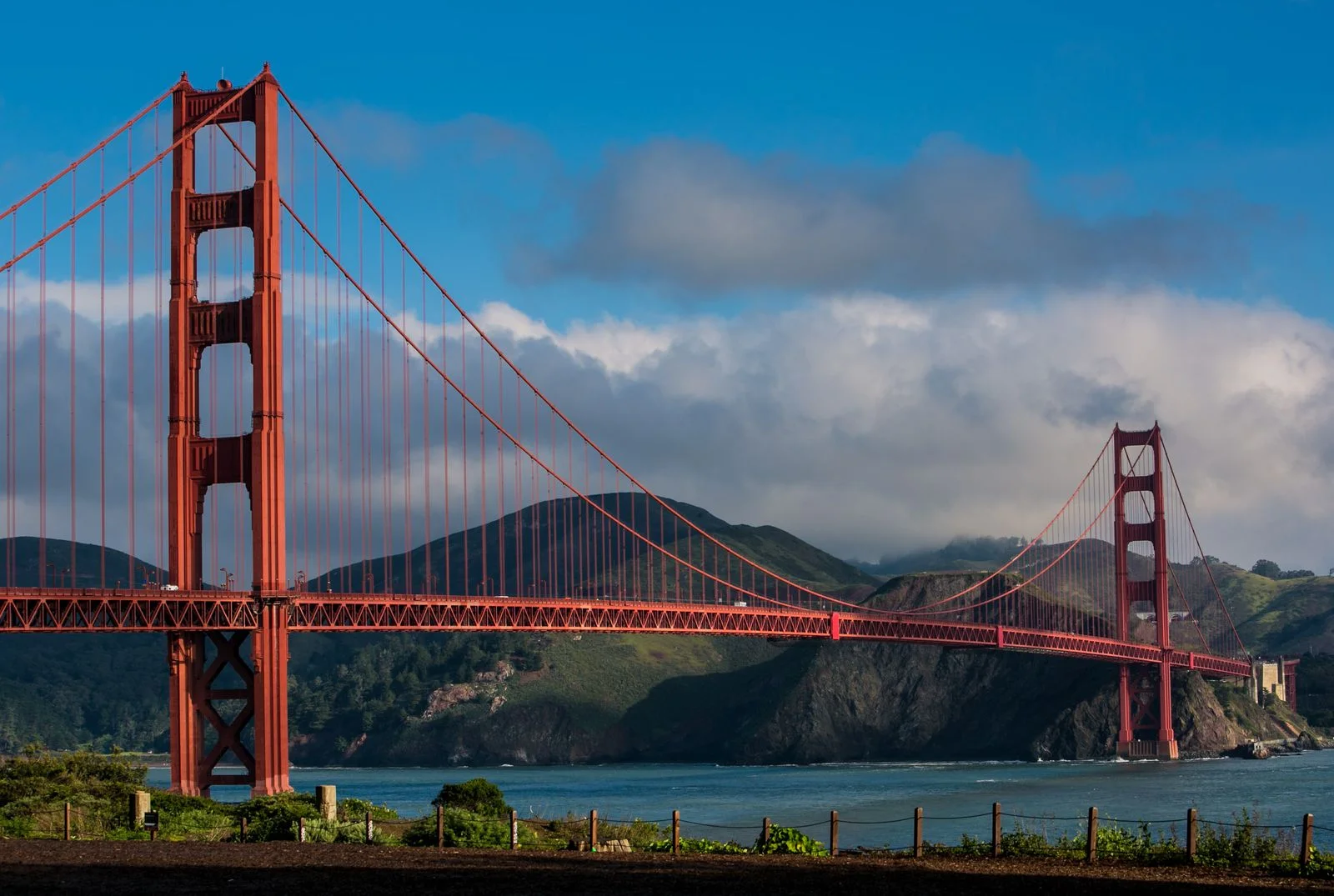
His most recent purchase came in 2017, a newly completed $38 million mansion in Pacific Heights. The modern home has a curved roofline and a limestone exterior, and it spans 11,400 square feet with seven bedrooms, seven full bathrooms, and three half-baths. Amenities include a wine cellar, an outdoor kitchen, an elevator, a home theater, a gym with a sauna, a library, and numerous fireplaces. A fifth-floor observation deck frames views of the Golden Gate Bridge. The developer said the house took four years to build.
The four-year build is worth dwelling on. A home that size, finished to this level, reflects a project that was planned, financed, and managed over a long stretch, and the buyer was purchasing something closer to a finished showpiece than a house with a history. Compared with the $6.9 million Los Altos Hills purchase, the price is roughly five and a half times higher. Even so, the source doesn't provide a market comparison for Pacific Heights, so the premium can't be measured precisely from what's here.
What the sequence shows
Read in order, the portfolio is less about trophy hunting than about a buyer who kept moving closer to the top of each local market. The early moves were practical, with a starter home and a bigger house in the same city. The later ones were about status and scale, and the price tags climbed much faster than the early gains. My read is that the Pacific Heights purchase matters most as a benchmark. A 2017 trophy property at this price point gives you a reference for ultra-luxury San Francisco, and any future comparable sales will be measured against it.
Even Huang doesn't seem to track his addresses closely. In a September 2026 New York Times interview, he admitted he couldn't recall where his primary residence is, saying he didn't know his own address and had to scramble for his ZIP code at a gas station. That's a telling detail for anyone who assumes the most expensive house is the one that's always on their mind. I'd treat it as color rather than evidence of anything about his finances, though. It's a reminder that for very wealthy owners, a house can be an asset more than a daily address.
What this means if you're watching the market
If you're working in this space, the useful takeaway is the pattern, not the price tags. Each purchase in the sequence came at a higher price point than the one before, and the steepest jump came when the buyer moved from resale to new construction. That's worth tracking if you cover luxury housing, though one buyer's portfolio can't stand in for the whole Bay Area market.
What this means for you as a reader is simple: be skeptical of any single property story that gets used to illustrate a broader trend. The Huang sequence is vivid because the buyer is famous and the houses are unusual. It doesn't tell you how ordinary homes moved over the same years, and the source doesn't claim it does. Treat the ledger as a useful case study, not a forecast.
Discussion
Sign in to join the discussion.