Photos of Diana Ross at home capture her bold style, quiet routines and life between major career milestones.
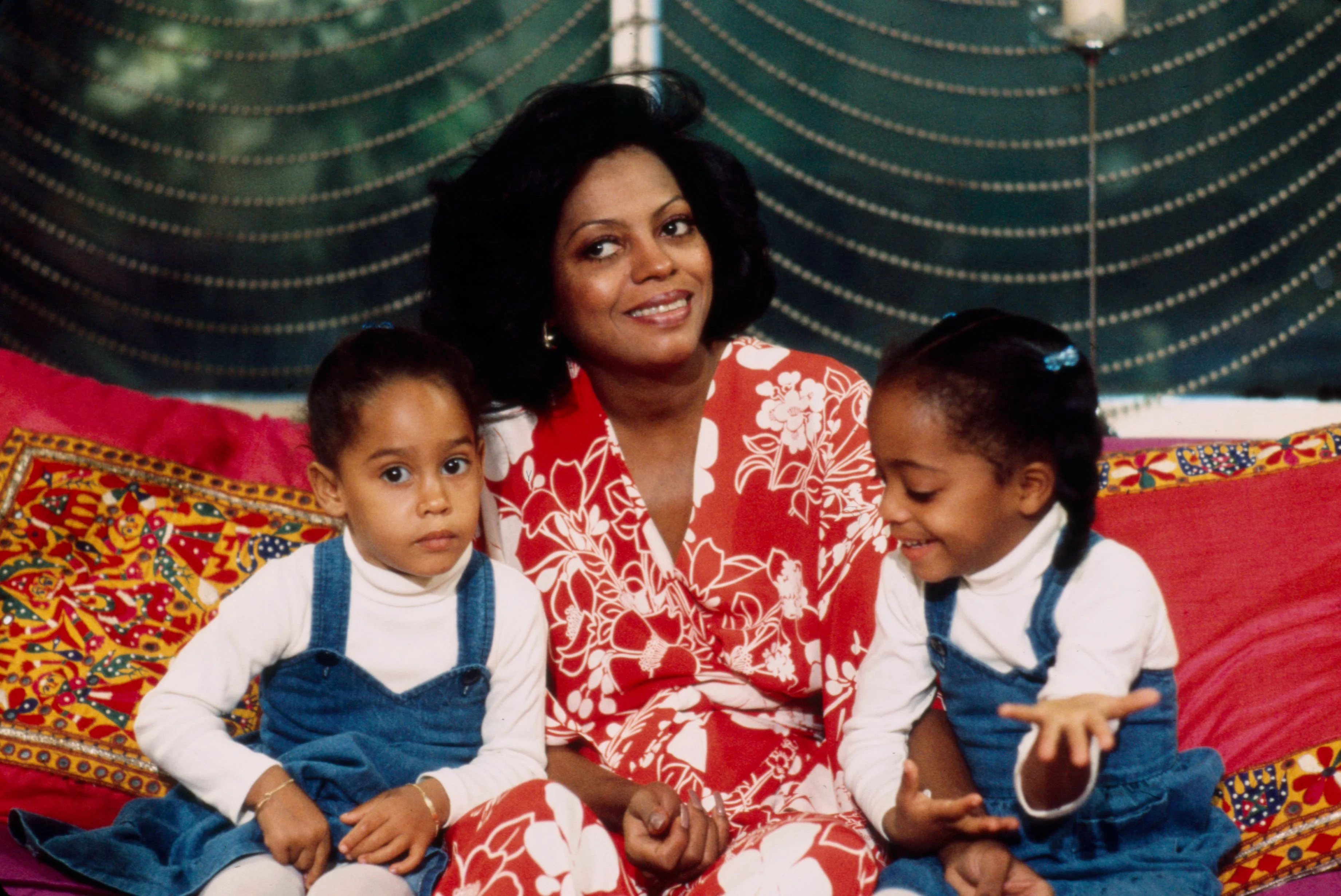
Diana Ross’s homes read like an extension of her performance style: bold, personal and carefully composed. A purple sofa, a white shag conversation pit, beaded curtains and a mirrored piano could have overwhelmed another room. In Ross’s hands, they made a point about who gets to define a home. Her 1979 song put it plainly: “There’s my chair / I put it there / Everything you see / Is with love and care / It’s my house and I live here.”
The scale of her career was enormous: 12 number-one singles with the Supremes, six solo number-one hits, a Recording Academy Lifetime Achievement Award and the Presidential Medal of Freedom. Yet her daughter Tracee Ellis Ross has described a notably ordinary family life, saying, “My mom is such a mom” and “I had a really regular upbringing” on The Kelly Clarkson Show. That contrast is more revealing than the glamorous rooms alone. The photographs offer glimpses of a star’s private routines, though they can’t tell us everything about life inside the house.
New beginnings
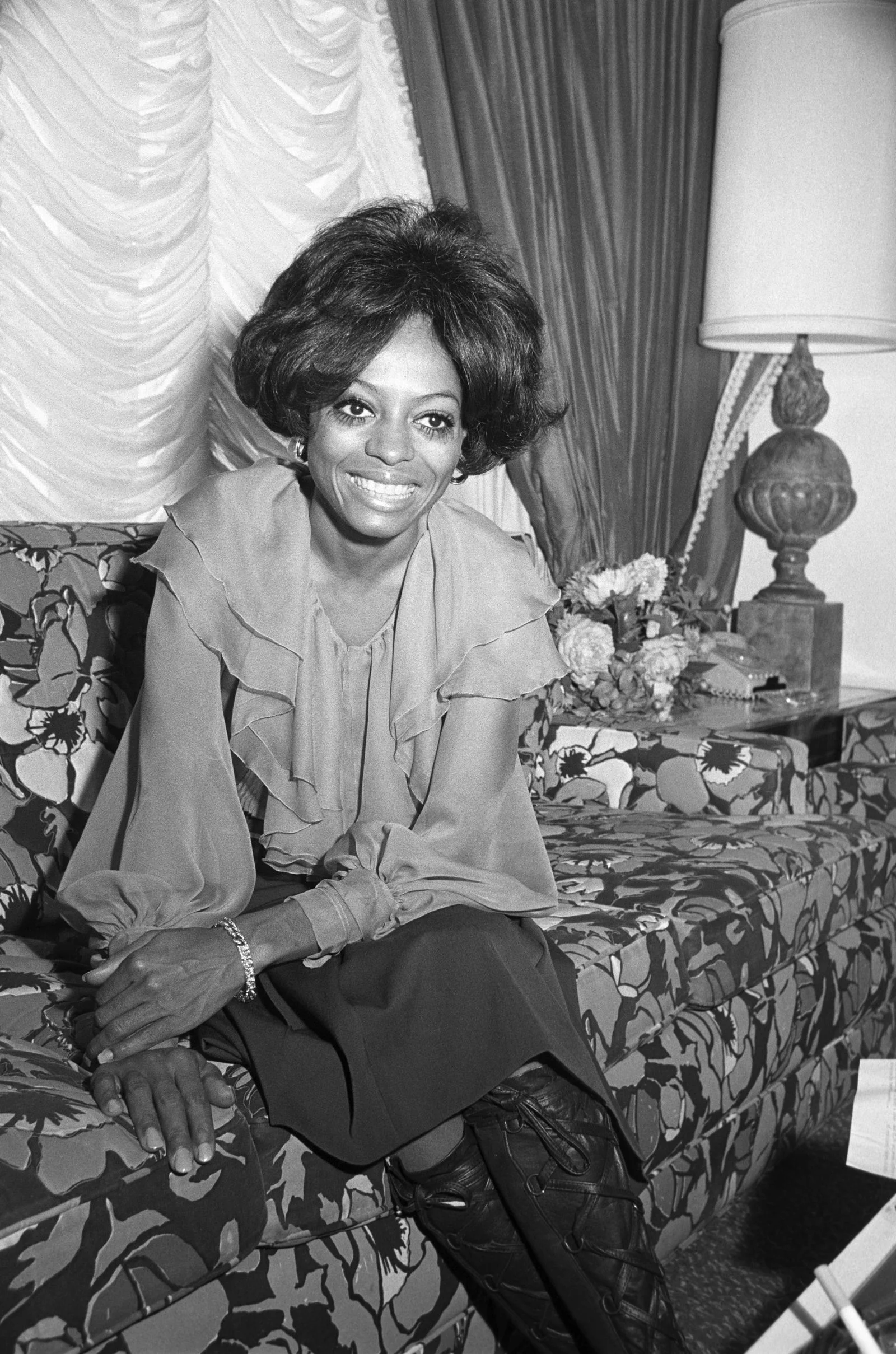
A March 17, 1970, photograph shows Ross smiling on a floral sofa in her Miami suite. The year marked a professional turning point: she gave her final concert as the Supremes’ lead singer in January, then released her debut solo album in June. The image catches her between chapters, at a moment when the solo career that would define her next act was just beginning.
A place to unwind
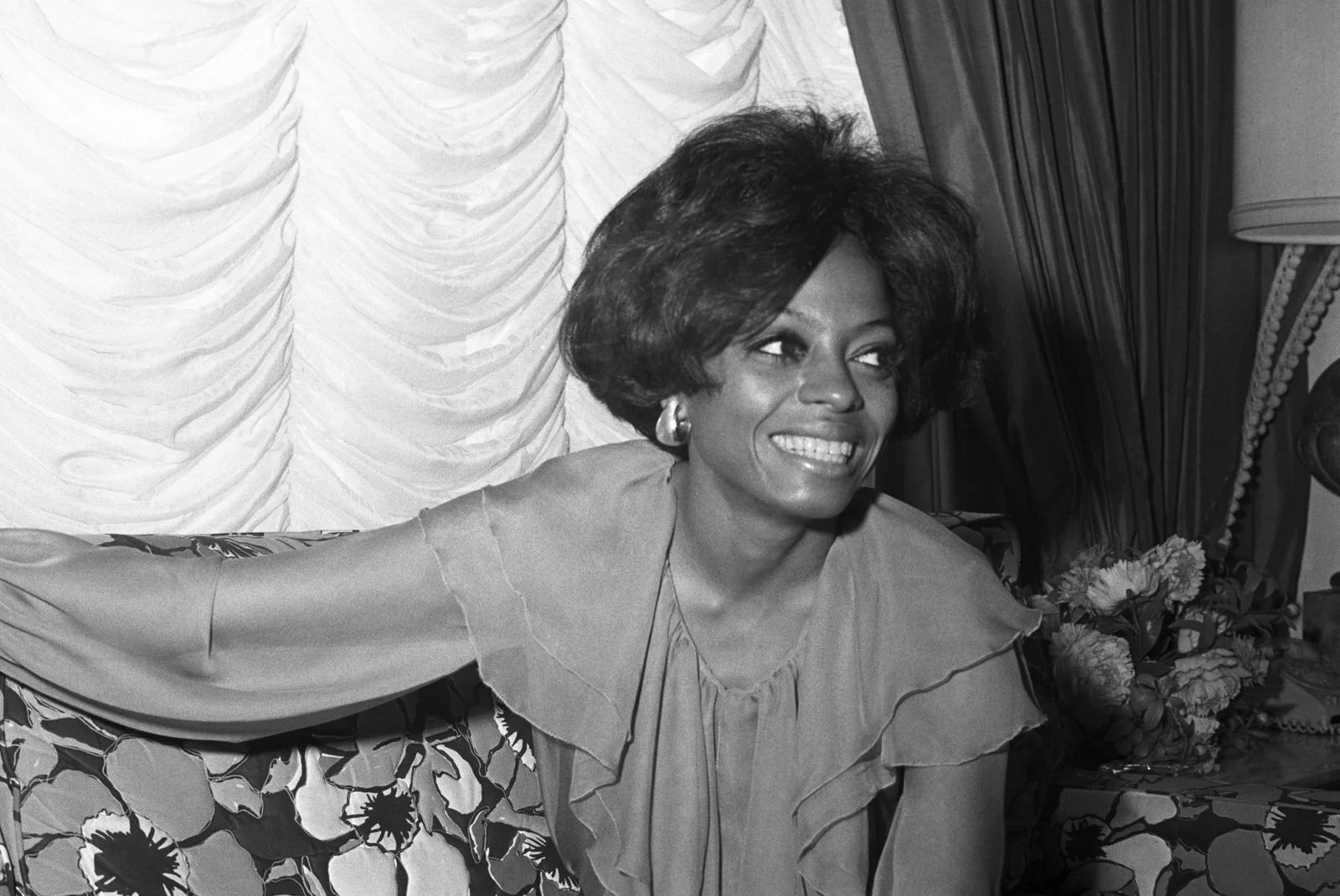
Those Miami portraits were made during Ross’s nine-day engagement at the Eden Roc hotel, her first official solo show after a preview run in Framingham, Massachusetts. “Welcome to the ‘Let’s see if Diana Ross can do it by herself club,’” she told the audience, according to journalist Shirley Eder’s March 20, 1970, report in The Philadelphia Inquirer.
Eder also wrote that Ross took a long time to unwind after performing and screened films in her suite almost every night. It’s a small detail, but a useful one: the images show the polished star, while the account hints at the quiet routine she needed once the show was over.
Lady Sings the Blues
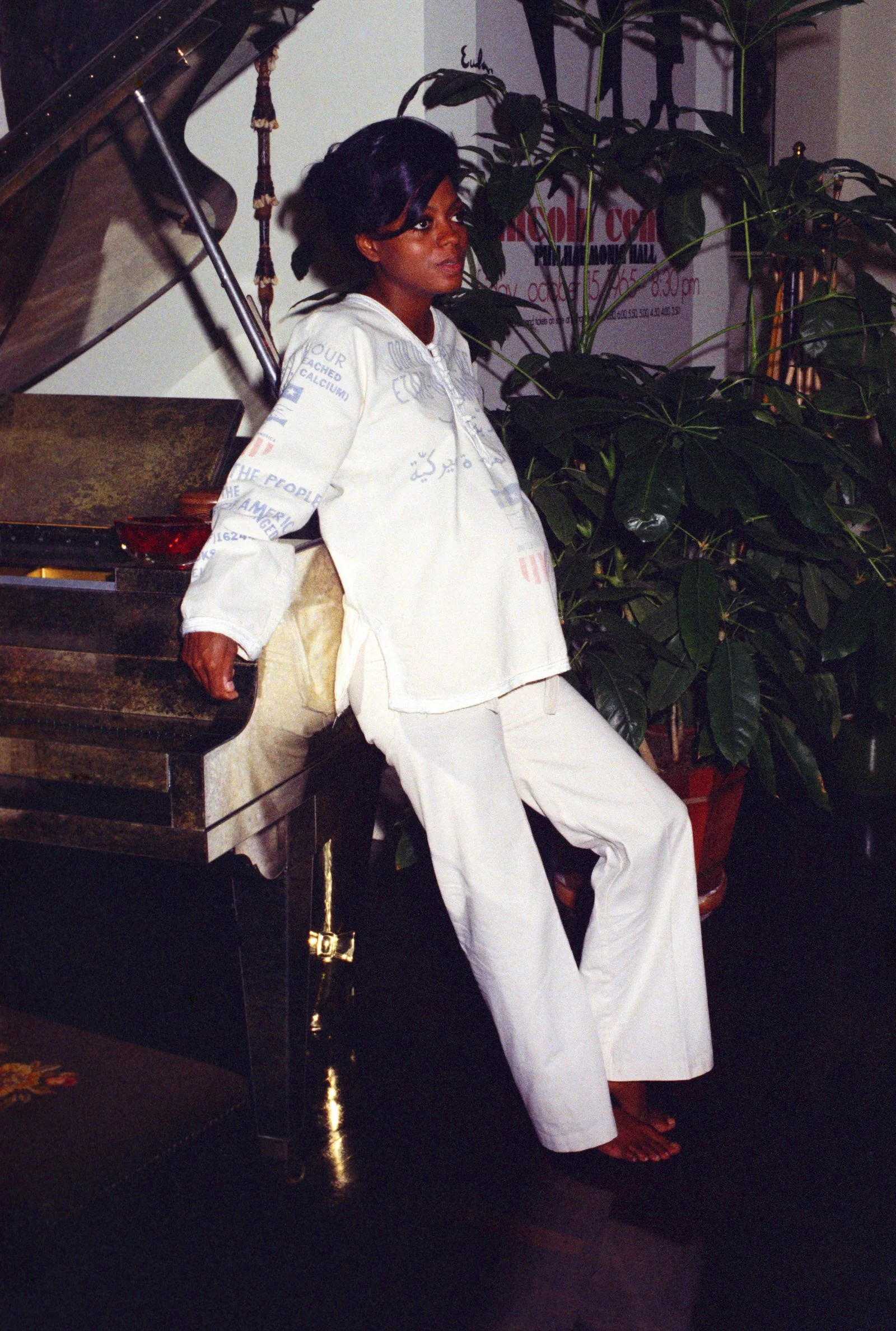
In a 1972 photograph, Ross is eight months pregnant with Tracee and leaning on the mirrored piano in her Beverly Hills home. She was being interviewed about her first film role, playing Billie Holiday in Sidney J. Furie’s Lady Sings the Blues. The performance brought Ross a Golden Globe and an Oscar nomination, among other honors.
Furie later recalled Ross’s instincts to The Hollywood Reporter: “She’s the greatest improviser I’ve ever known.” He said some of the key scenes were improvised and described her as a consummate professional, “not a diva at all.”
Making a family
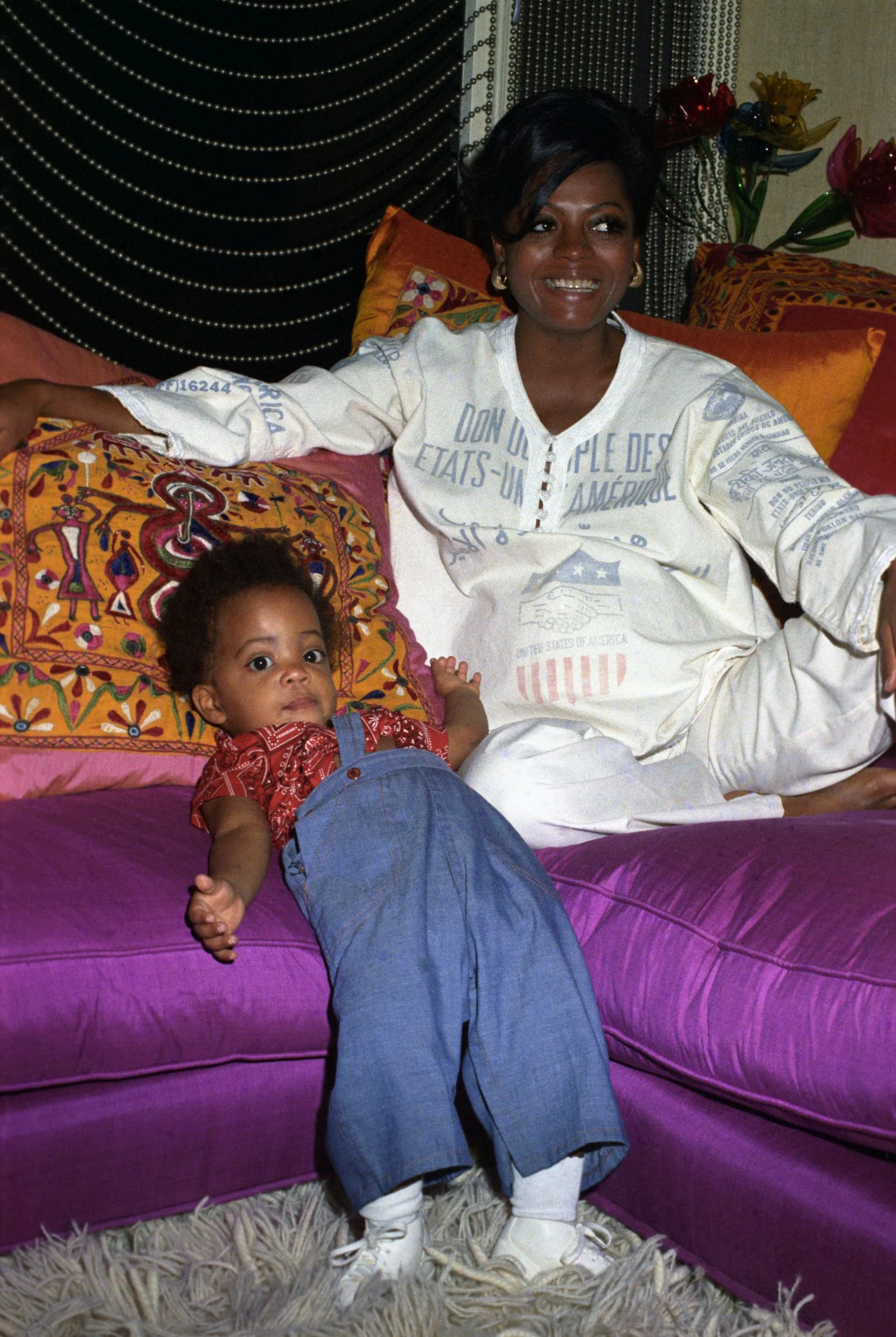
Another 1972 image places Ross beside her eldest child, Rhonda, in the Beverly Hills home. Ross’s relationship with Motown founder Berry Gordy was both professional and romantic; Rhonda was born in 1971. Ross married music executive Robert Ellis Silberstein two months into her pregnancy, and he raised Rhonda as his own. Ross and Silberstein later had two daughters together: Tracee, born shortly after the photograph was taken, and Chudney, born in 1975.
’70s style
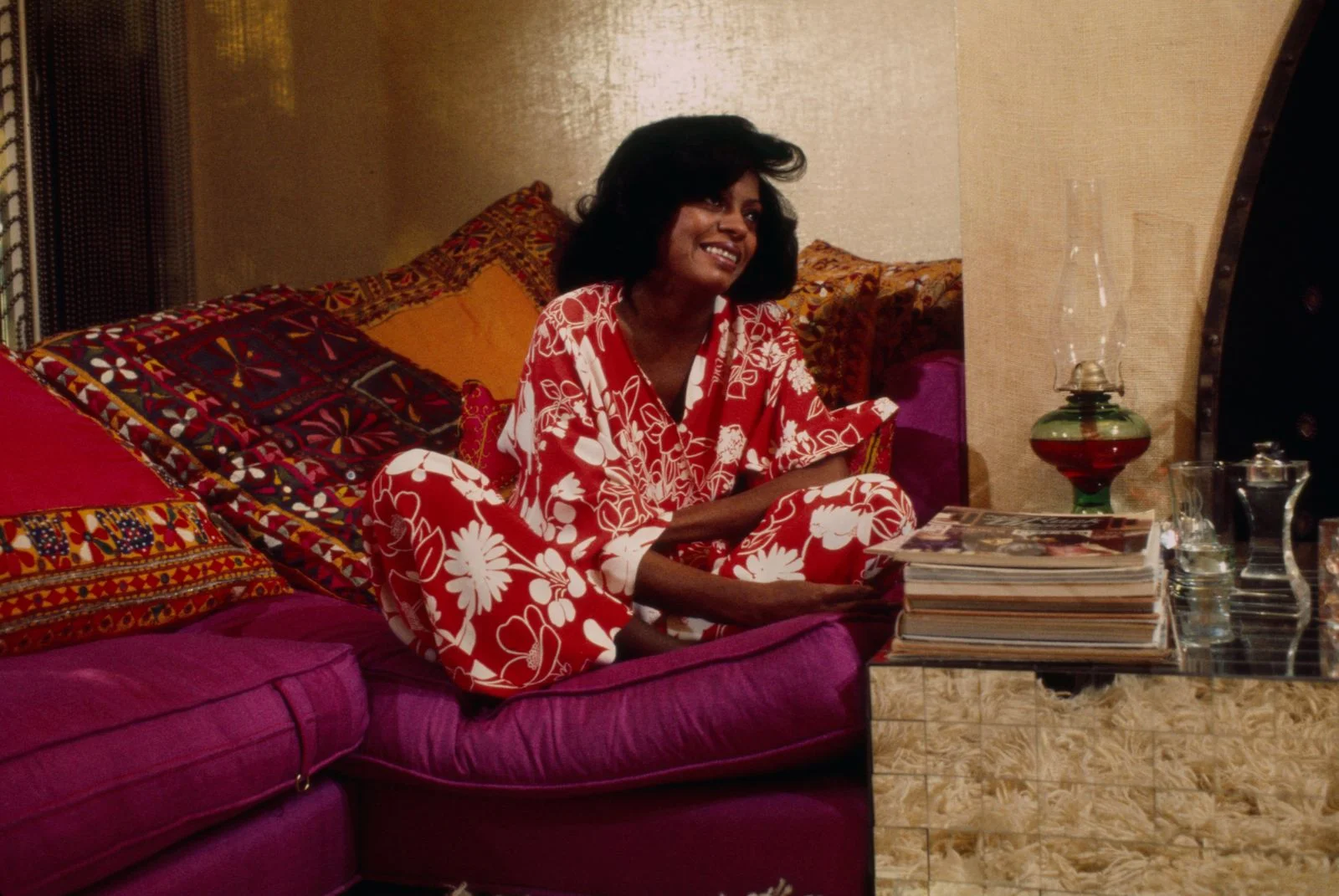
By the mid-1970s, the purple sofa had become a recurring feature in photographs of Ross’s Beverly Hills living room. The room’s white shag-lined conversation pit and mirrored fireplace made the decor unmistakably of its era, but the house was striking by any measure. A 1972 New York Times profile put the home at 6,833 square feet, with 30-foot ceilings and an Andy Warhol tapestry depicting Marilyn Monroe. The grounds included a swimming pool and tennis court.
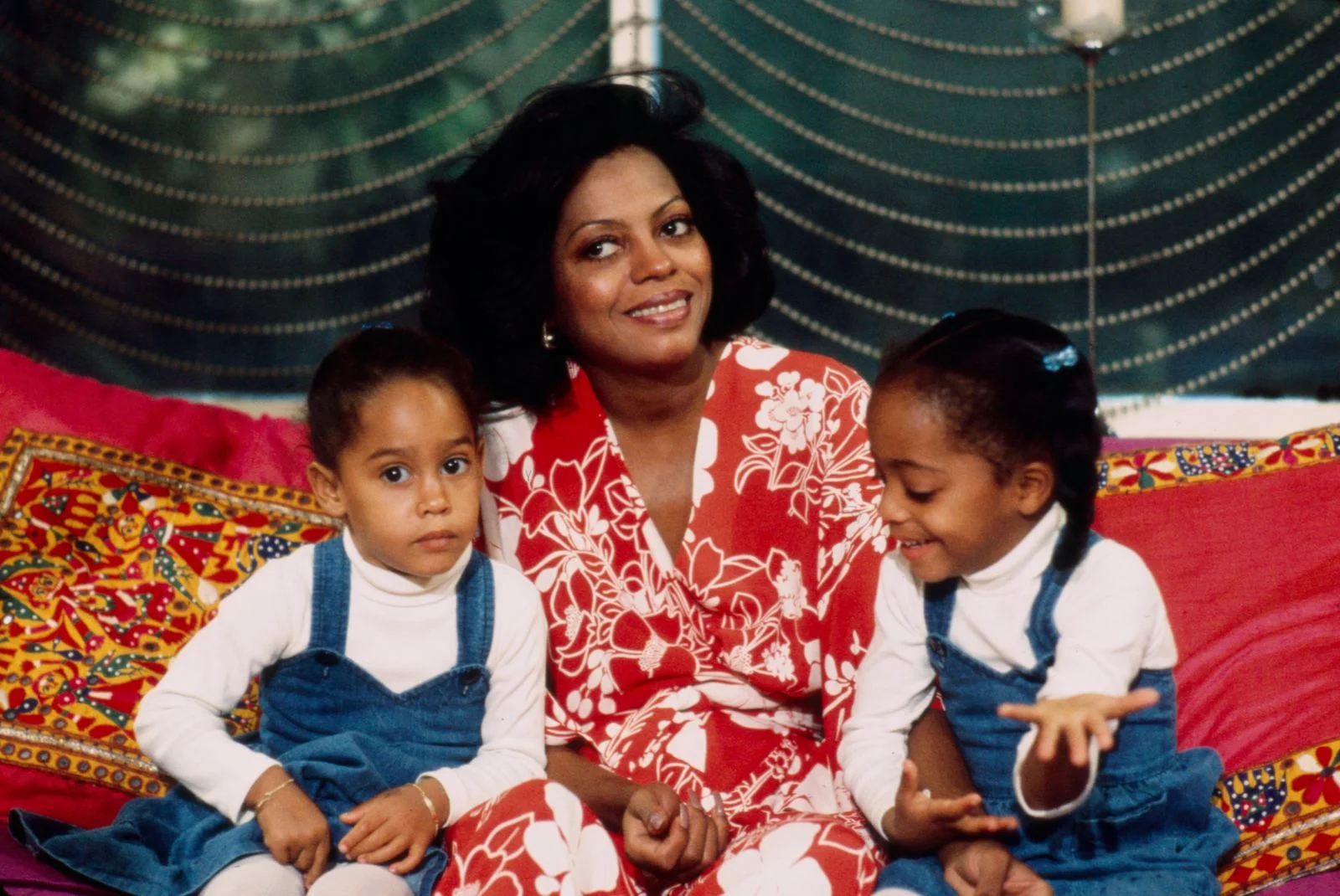
The rooms were theatrical, but the family photographs keep the focus close: Ross at home with her daughters, among the objects and colors she chose for herself.
A home built around art and family
The Beverly Hills house was designed to put art first. Built in 1964 for collector Donald Factor, it had five bedrooms and nine bathrooms, and its walls left little room for windows. Neighbors reportedly called it “the house with no windows.” That choice gives the home its defining character: a conversation pit beside a beaded-curtain window, and a setting where paintings took priority over views. The Los Angeles Times reported on the property’s origins; the art-filled interiors offer more context.
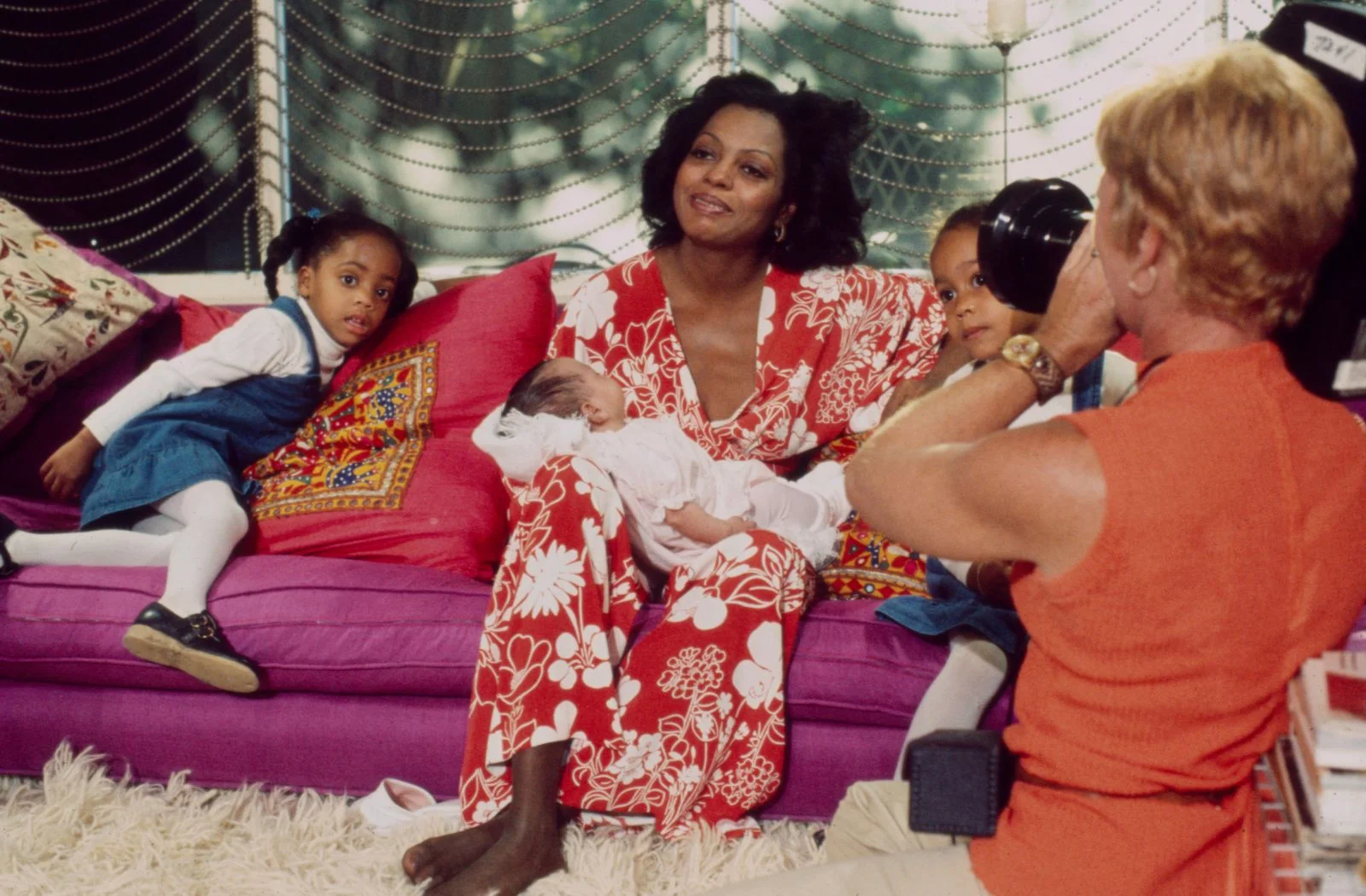
Family life filled those rooms, too. Diana Ross appears with daughters Tracee and Rhonda, cradling newborn Chudney. Both older daughters pursued performance: Tracee is an actor who won her first Daytime Emmy for Solo Traveling with Tracee Ellis Ross, while Rhonda received a Daytime Emmy nomination for her work on Another World.
Five children, a changing household
Ross and music executive Robert Ellis Silberstein divorced in 1977. She married Norwegian businessman Arne Naess Jr. in 1986, and they had two sons, Ross and Evan. Their marriage ended in 2000. The family photographs make the house feel less like a pristine art setting and more like a lived-in home adapting to a growing family.
A room reset, then a birthday party
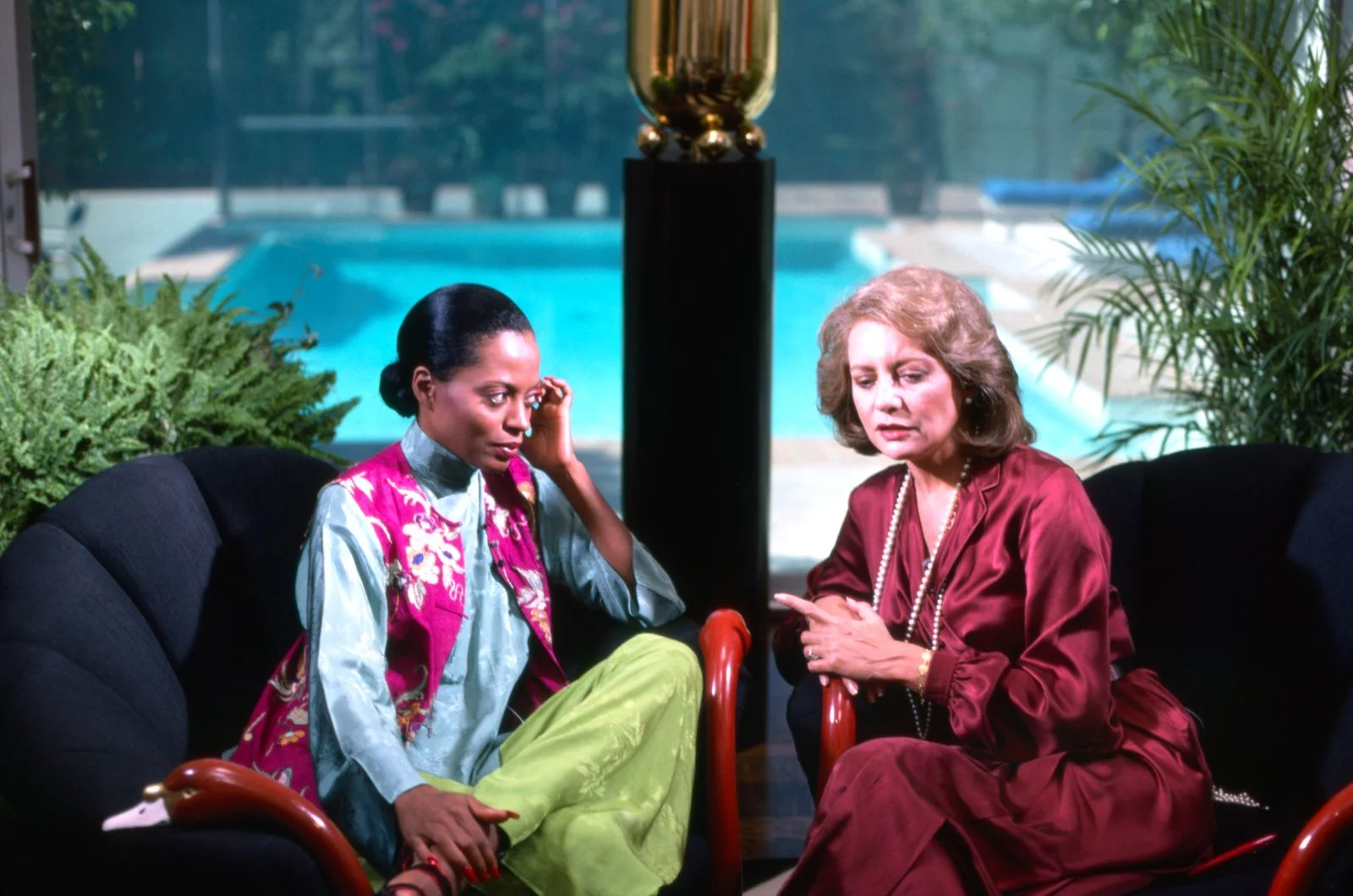
When Barbara Walters interviewed Ross at the Beverly Hills home in 1978, Ross was newly single and talking about her career and raising children. Walters described the singer as having every material comfort, then added that Ross had completely refurnished the living room within a day of the crew’s arrival. The interview shows the conversation pit in a different incarnation: dark maroon carpet, a navy sofa and white cushions. A quick redesign is a small detail, but it hints at how readily the room could shift with its owner’s plans.
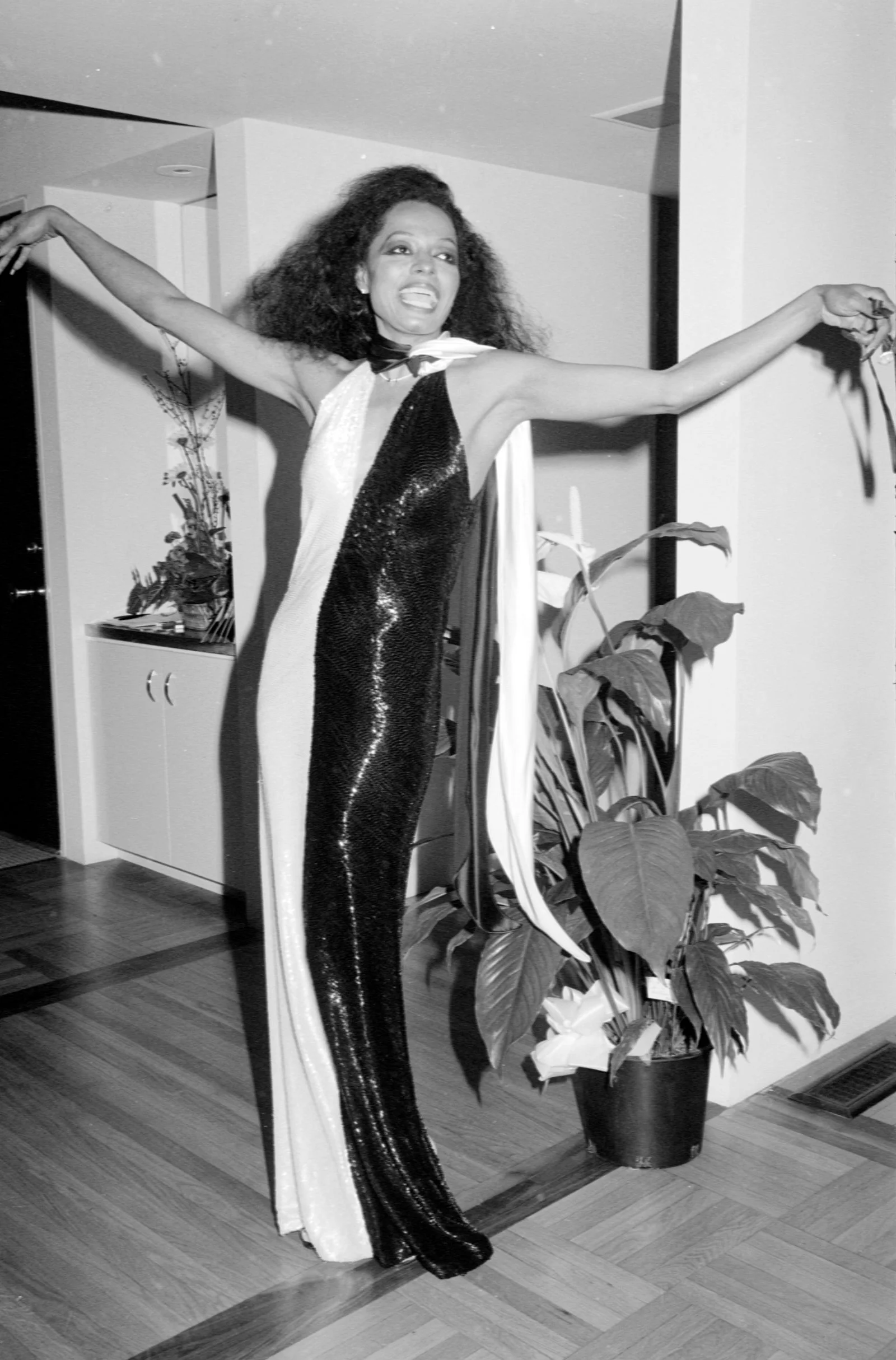
In March 1982, Ross hosted her 38th birthday party at the house. That year also brought Silk Electric, her 13th studio album, and a star on the Hollywood Walk of Fame. The residence was sold three years later for $1.75 million, according to The Los Angeles Times.
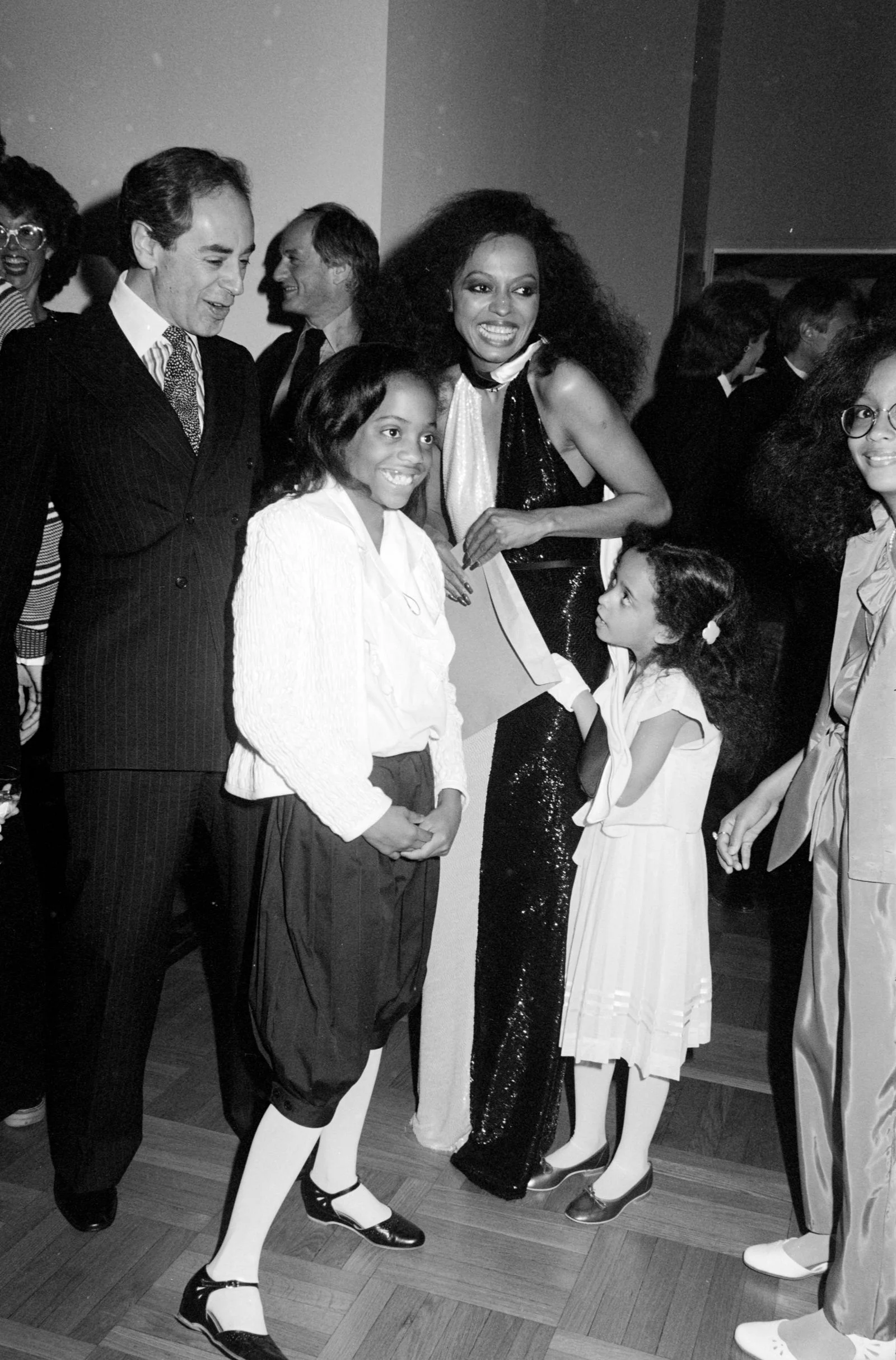
The sale closed a chapter in Beverly Hills, though Ross’s career continued: she released her 25th studio album, Thank You, in 2021. At 82, she lives at Quarry Farm in Greenwich, Connecticut, as Greenwich coverage has reported. For a house remembered for its art walls and unusual lack of windows, its most revealing record may be these glimpses of a family moving through it.
Discussion
Sign in to join the discussion.