Designed by Joseph Dirand, the Palm Beach home brings Andy Warhol and modern design into a personal portrait of collector Peter Brant’s eye.

A chance meeting, then a home shaped by a lifetime of collecting
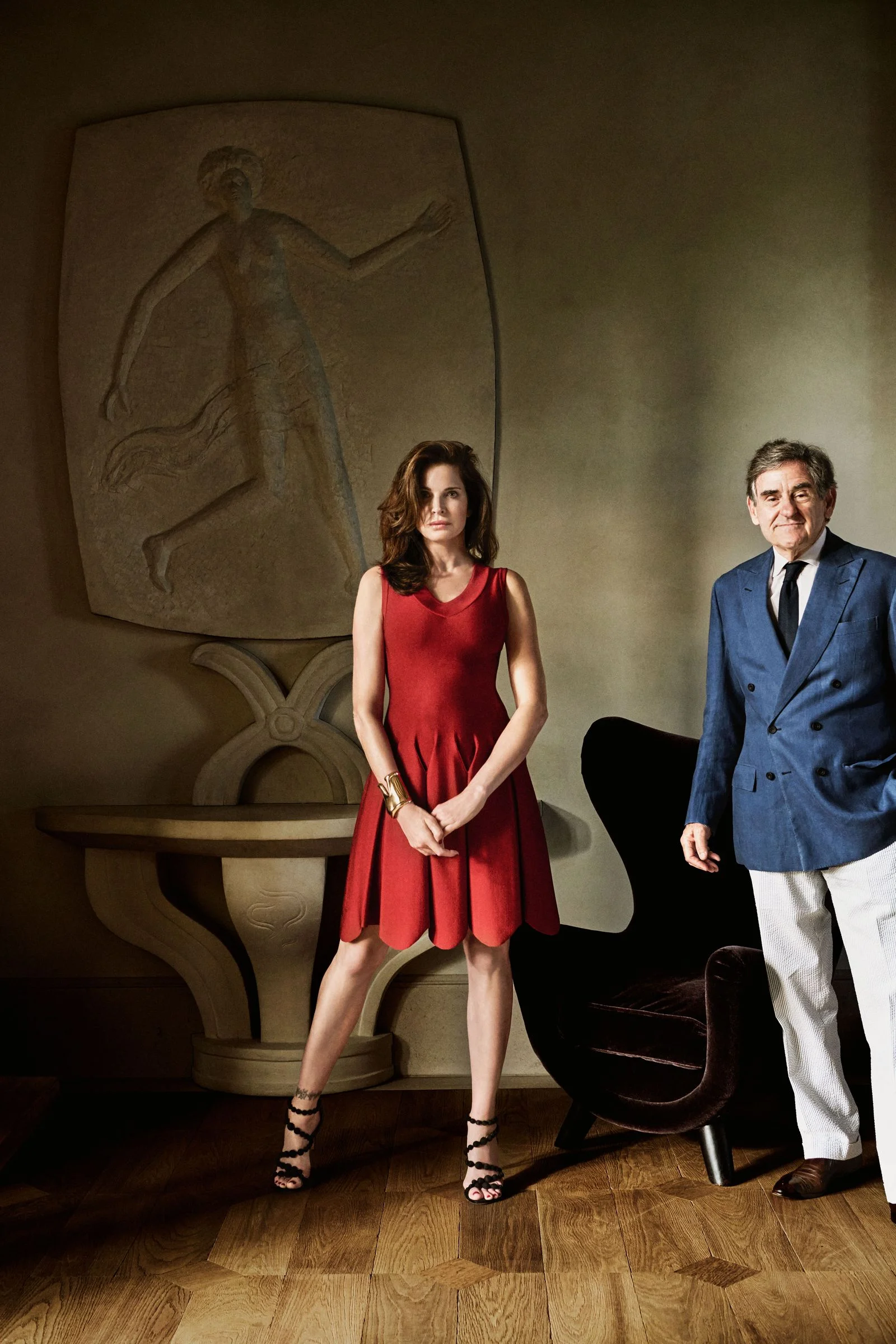
The Palm Beach house Peter Brant and Stephanie Seymour Brant had bought just days earlier became the setting for an unlikely introduction. French architect Joseph Dirand was heading into a New York restaurant when he ran into art dealer Tico Mugrabi. Dirand mentioned he’d be flying to Palm Beach the next day. Mugrabi called Brant on the spot: “Peter, my friend Joseph is coming to Palm Beach tomorrow. You have to meet this guy.” The next day, Dirand was sitting with Brant, the industrialist and publisher, and Seymour Brant, a defining supermodel of her generation.
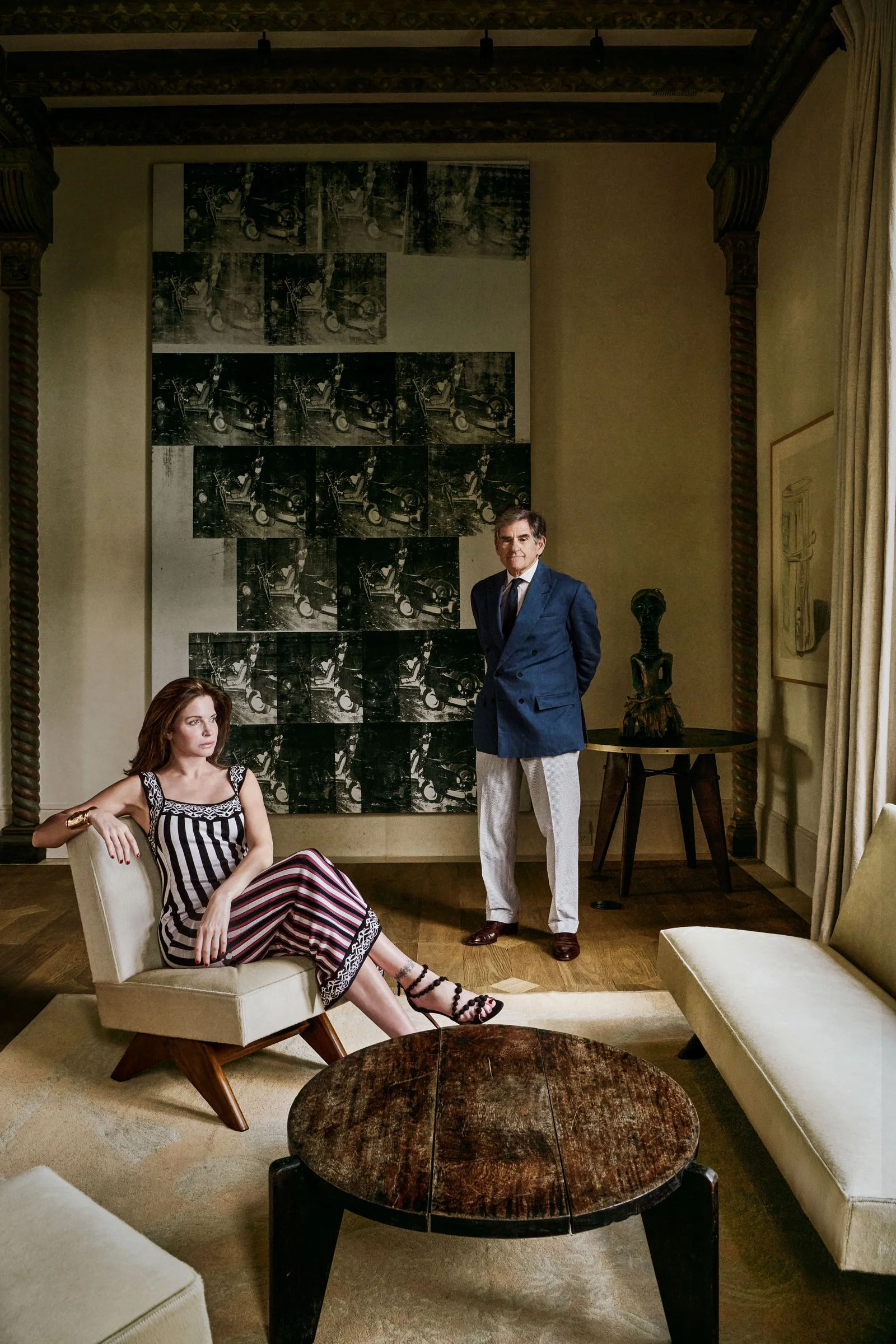
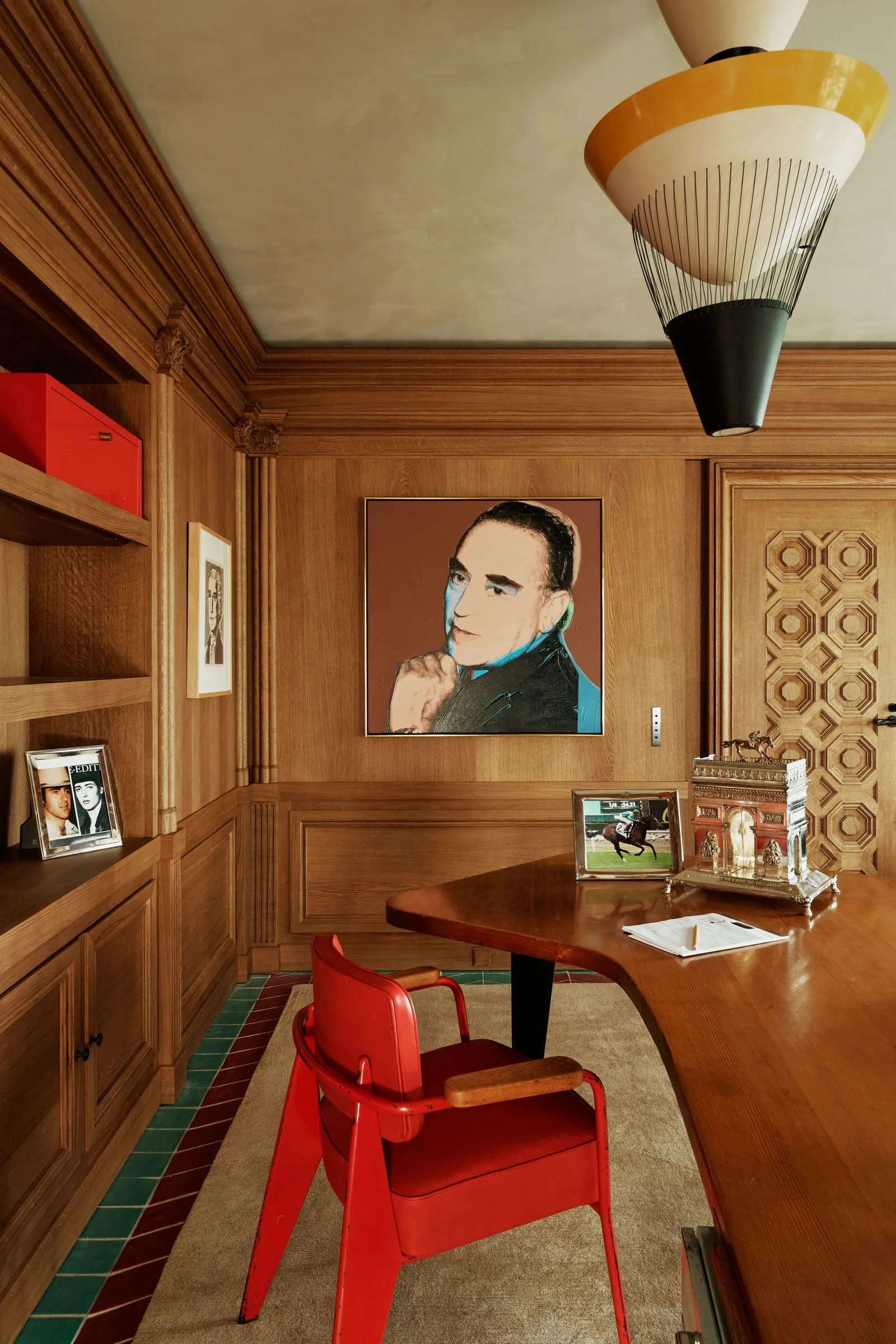
That fast-moving encounter had a longer history behind it. Dirand had admired Brant for years, studying photographs of his earlier homes. One image stayed with him: a Jean Prouvé desk beneath a Jean-Michel Basquiat painting, an unusually assured pairing of French postwar design and contemporary art at the time. “For me, Peter was a kind of collector’s hero,” Dirand says. The point is more than a flattering origin story. The new house puts that collector’s eye in conversation with Dirand’s own architectural sensibility.
Brant’s collecting began well before he became Warhol’s close friend. His father favored classical art and regarded even Picasso as “way too modern.” But family ski trips to Switzerland brought the teenage Brant into contact with Zurich dealer Bruno Bischofberger, who later introduced him to Leo Castelli. Both became mentors. Brant bought his first Warhol in 1966; when Warhol’s business manager Fred Hughes introduced the two in November 1968, Brant already owned about seven of the artist’s works. Their friendship lasted for the rest of Warhol’s life.
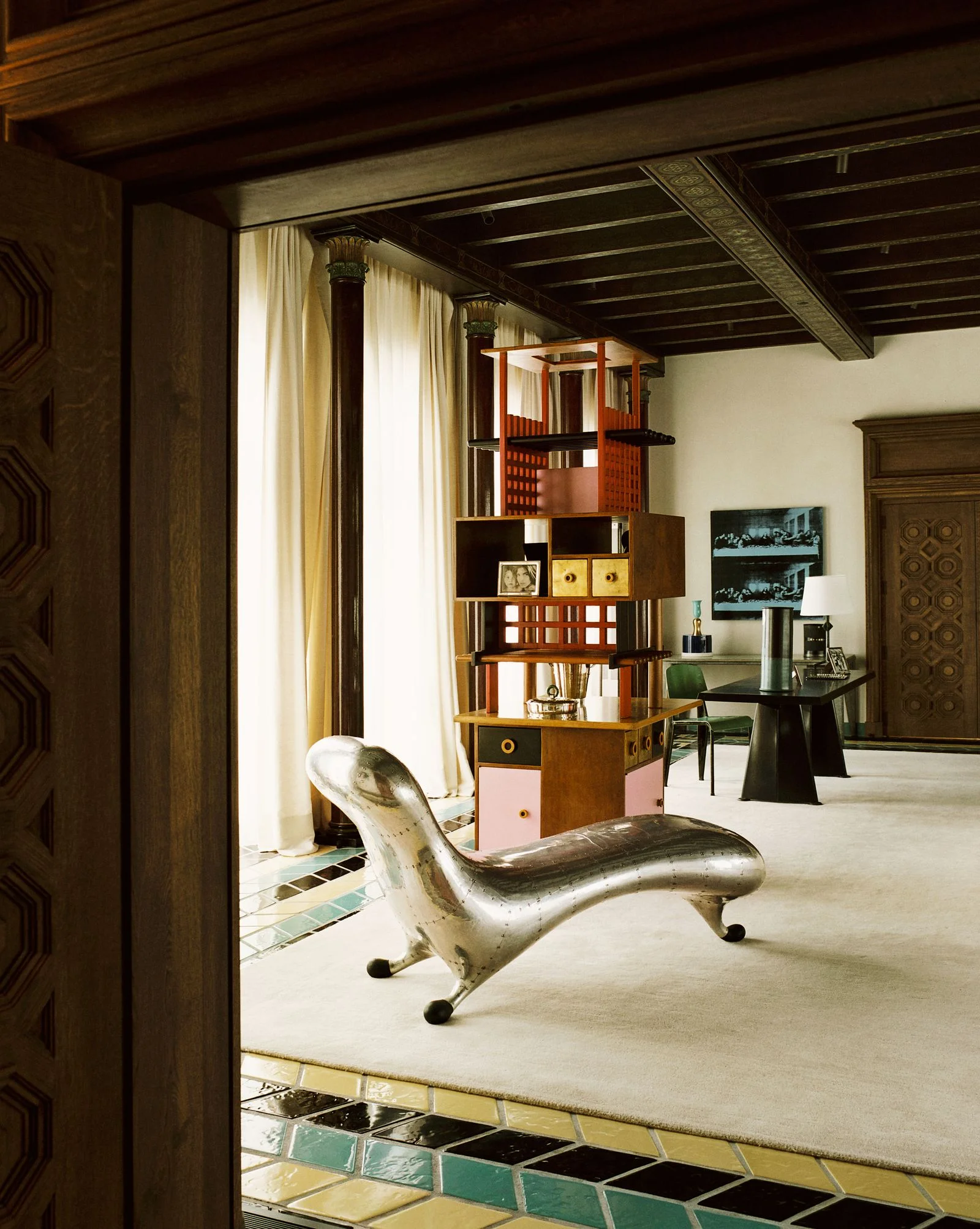
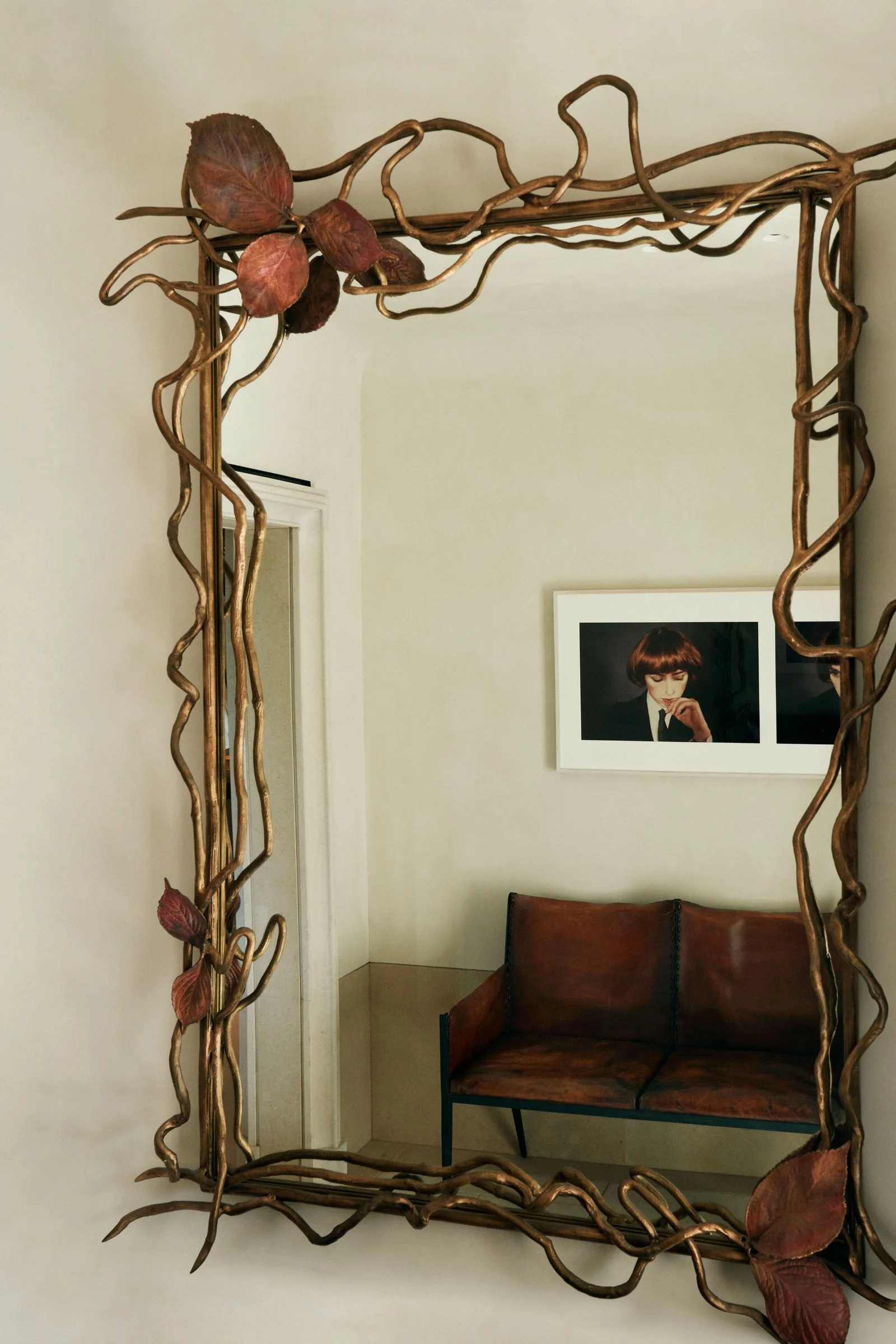
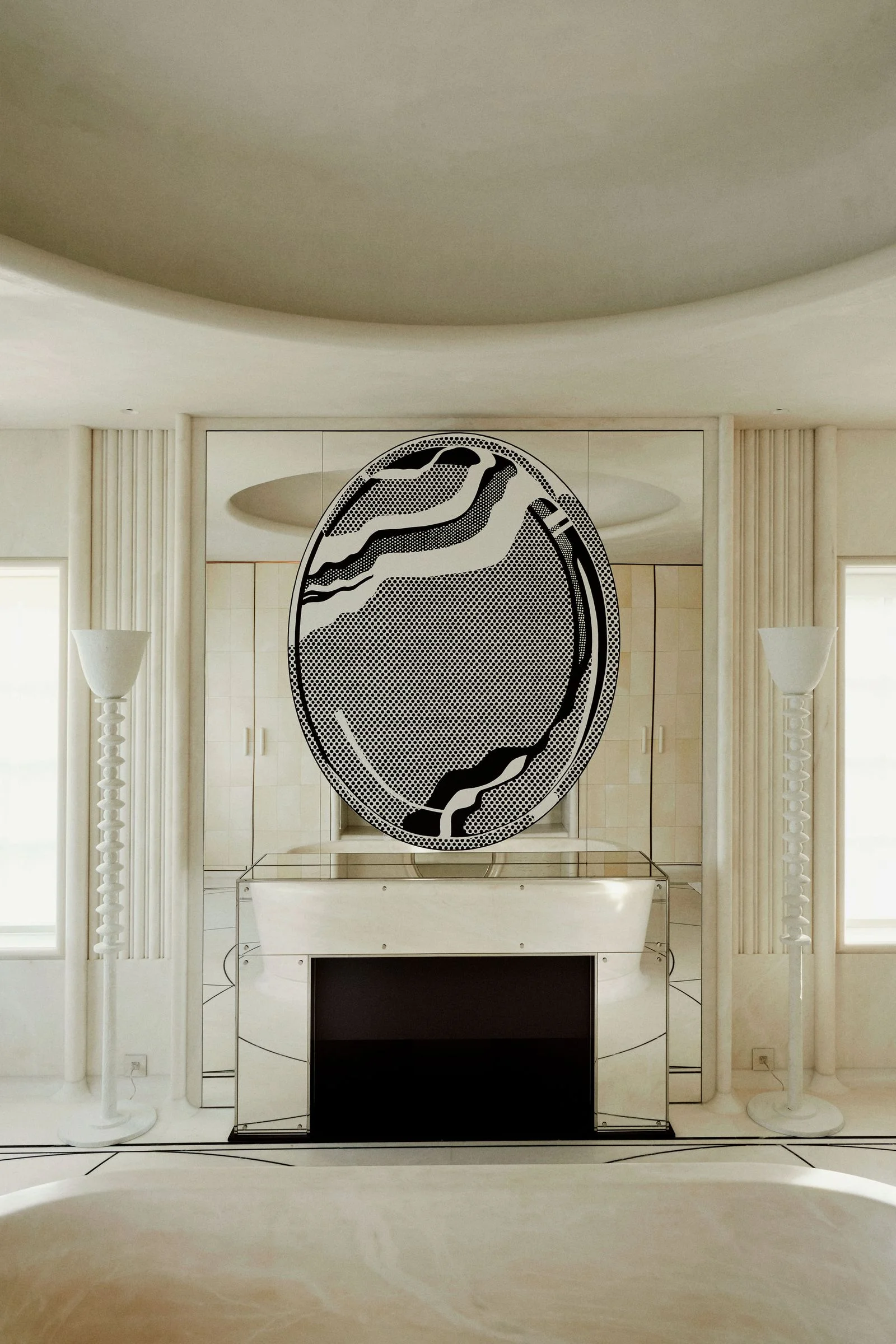
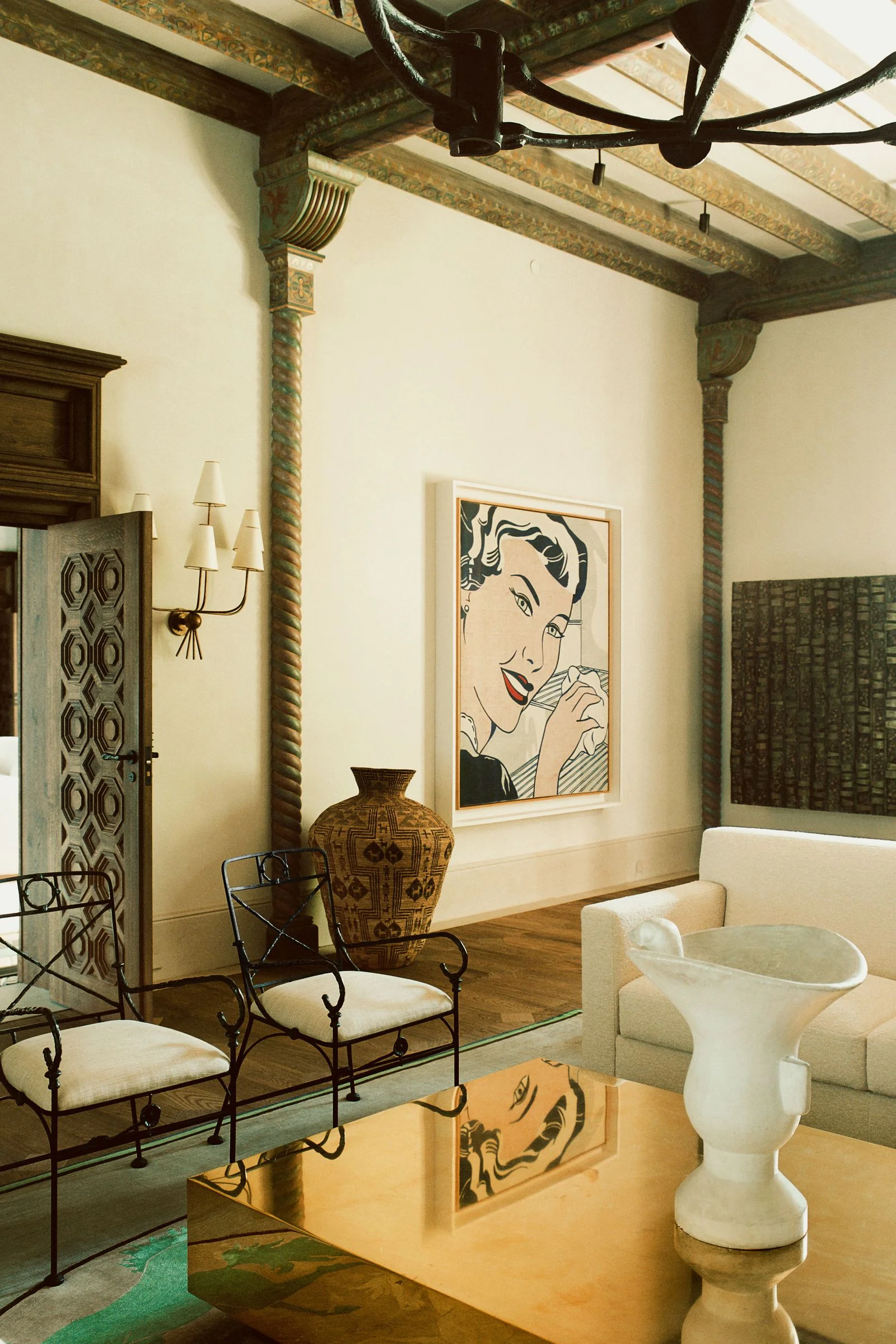
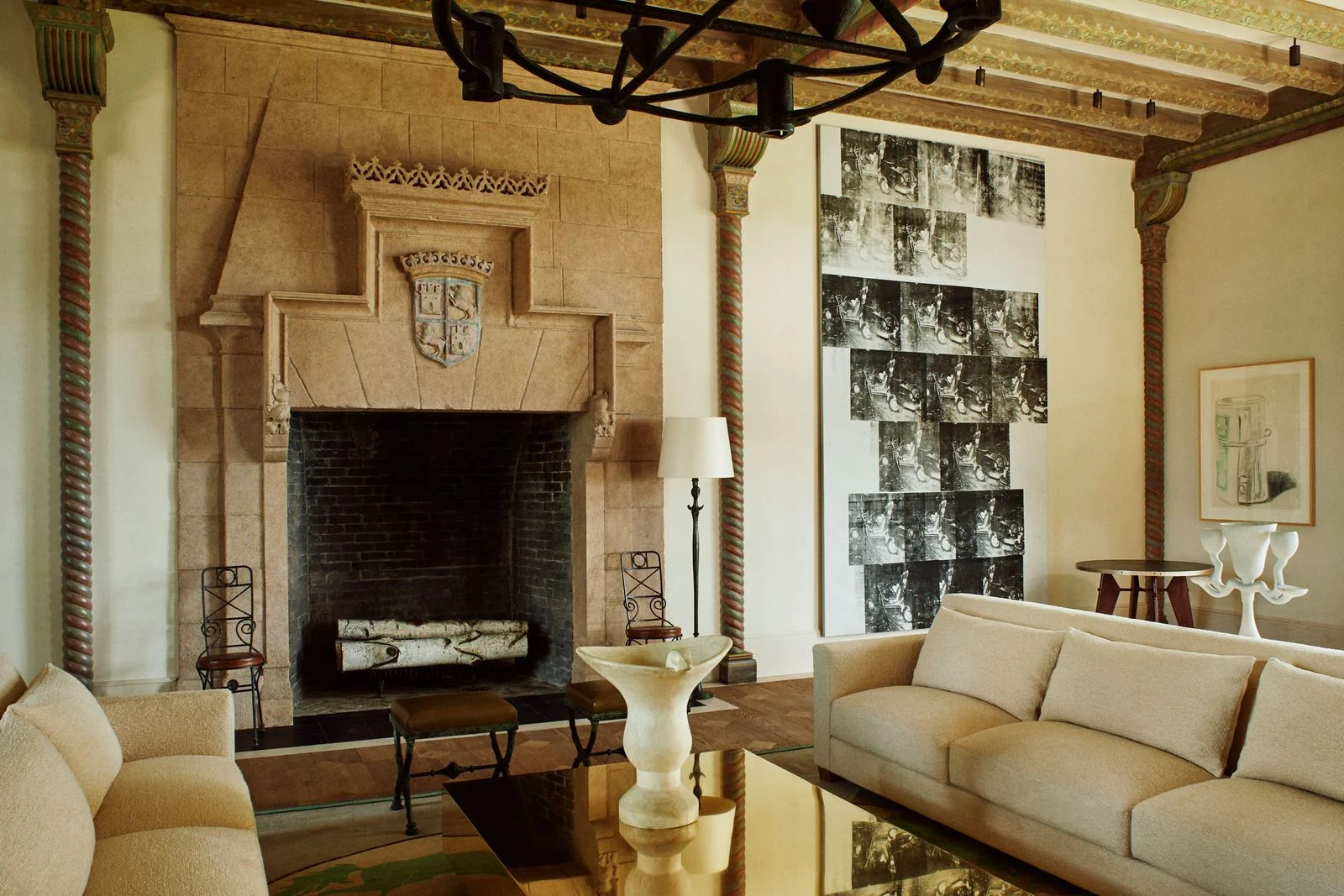
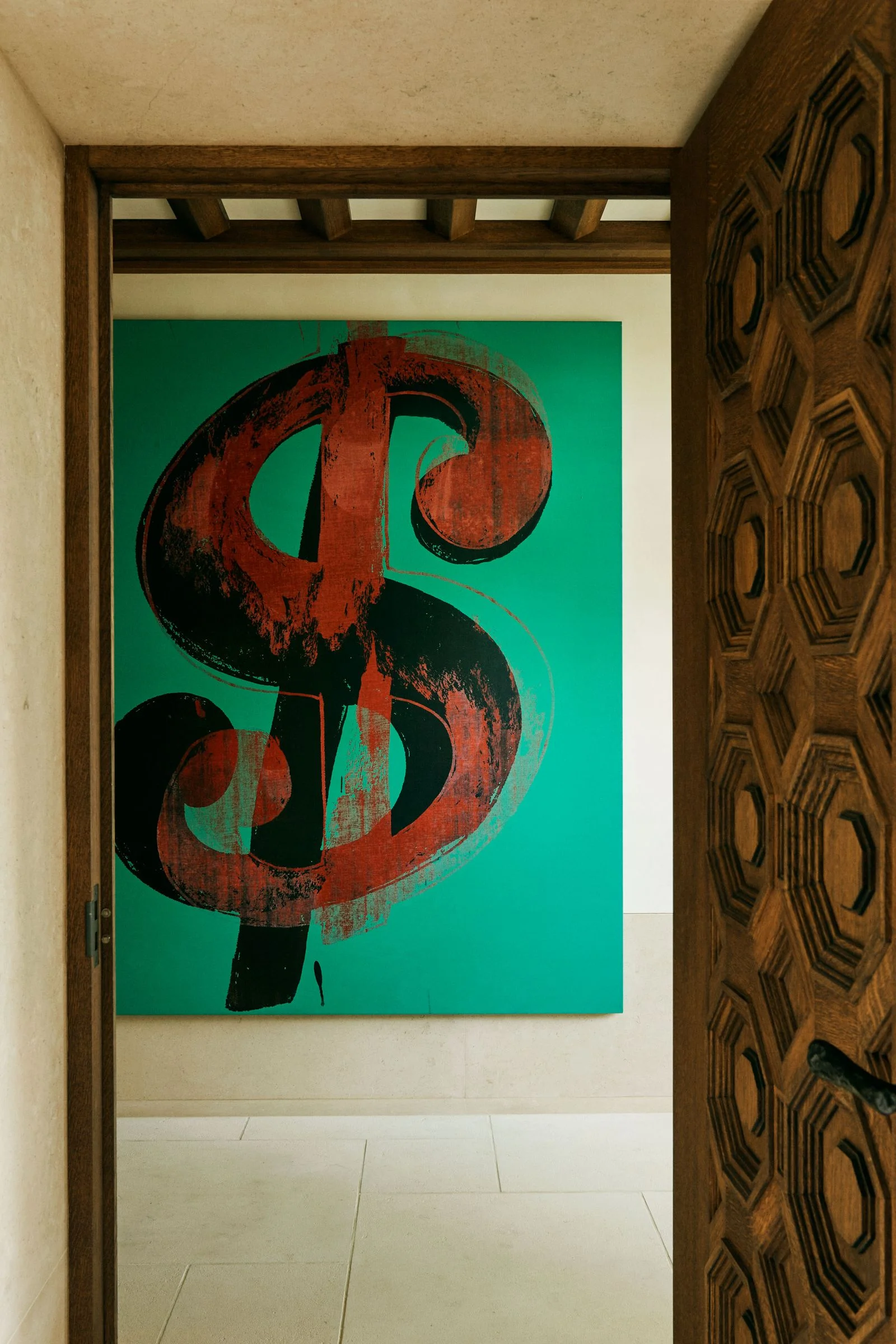
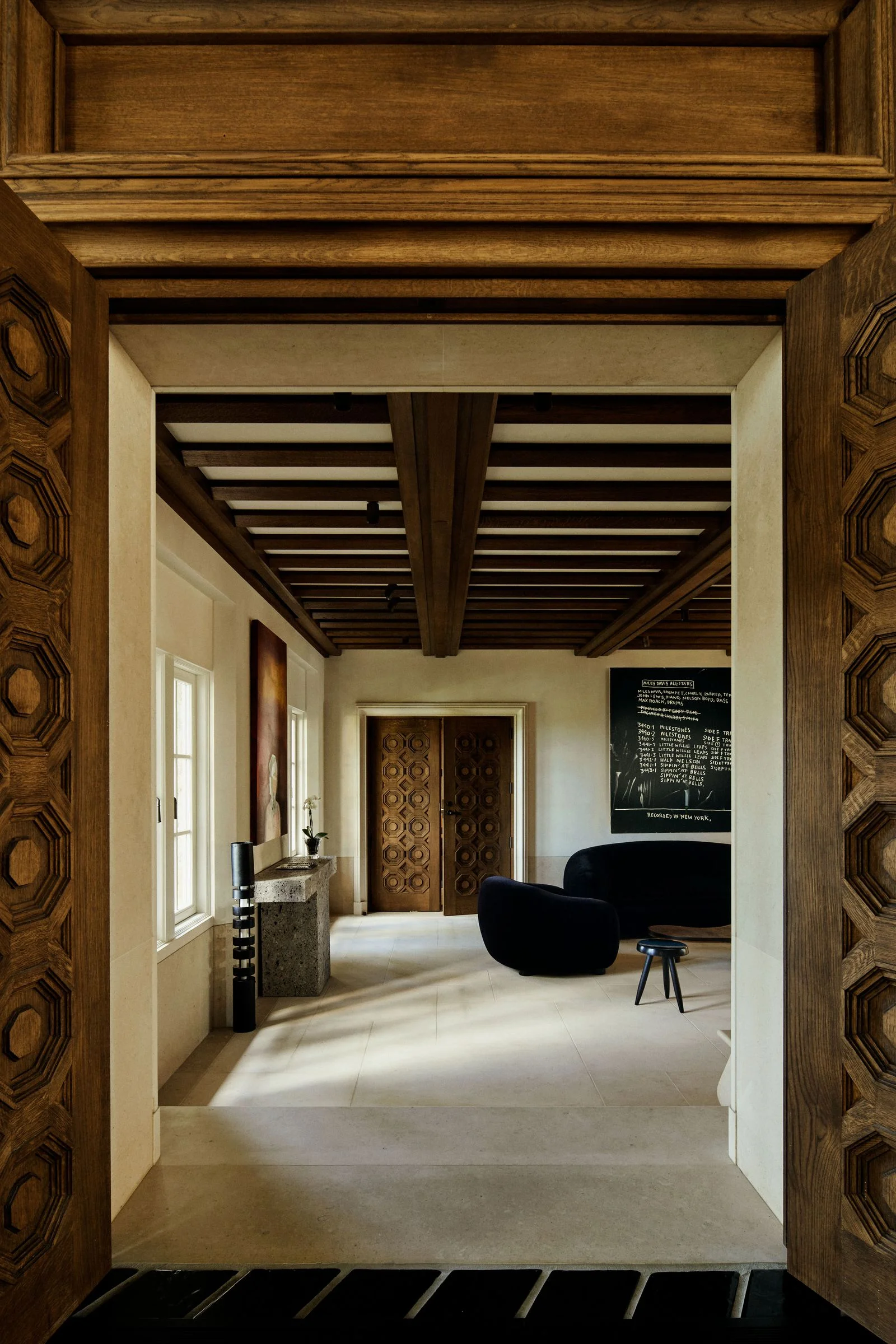
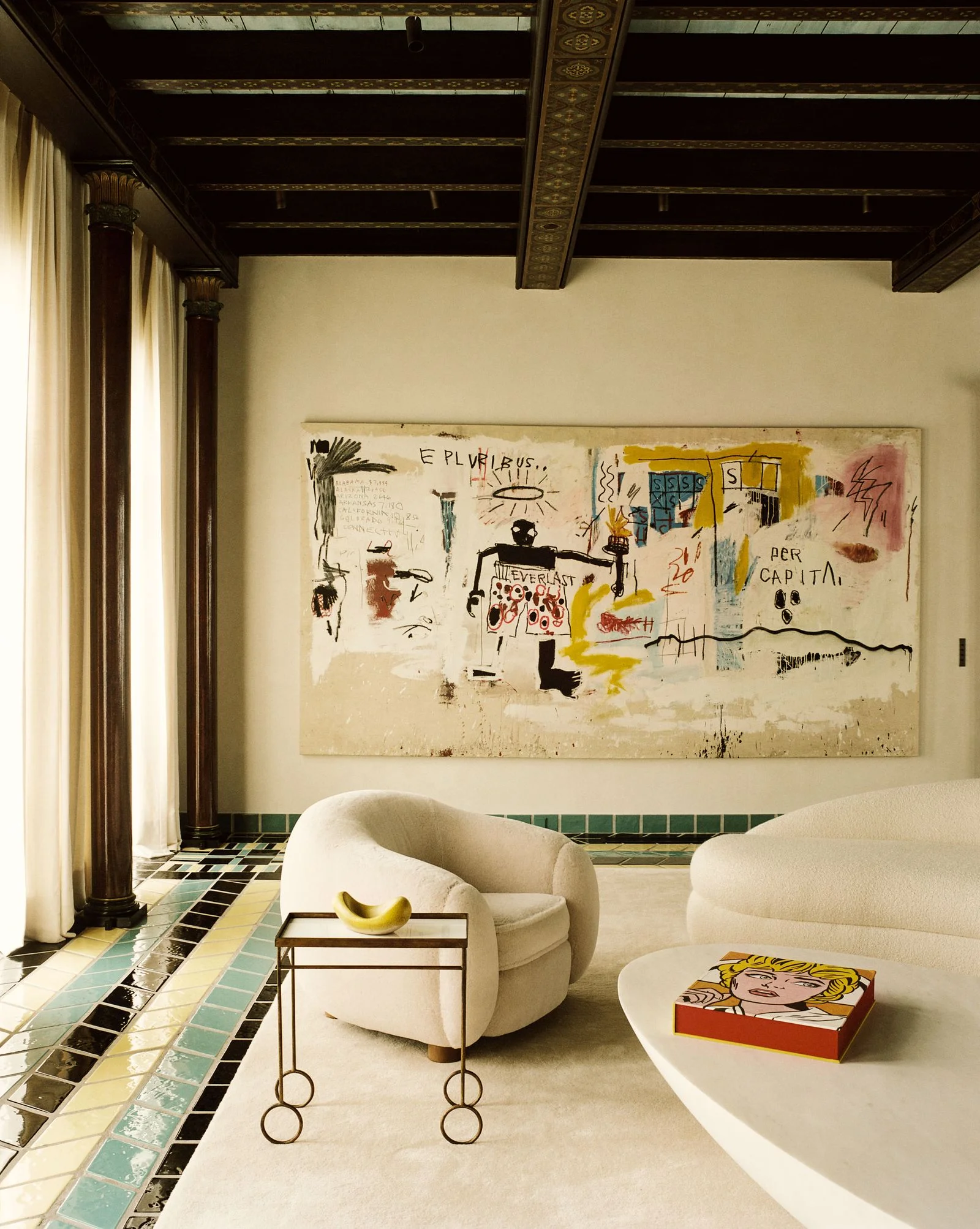
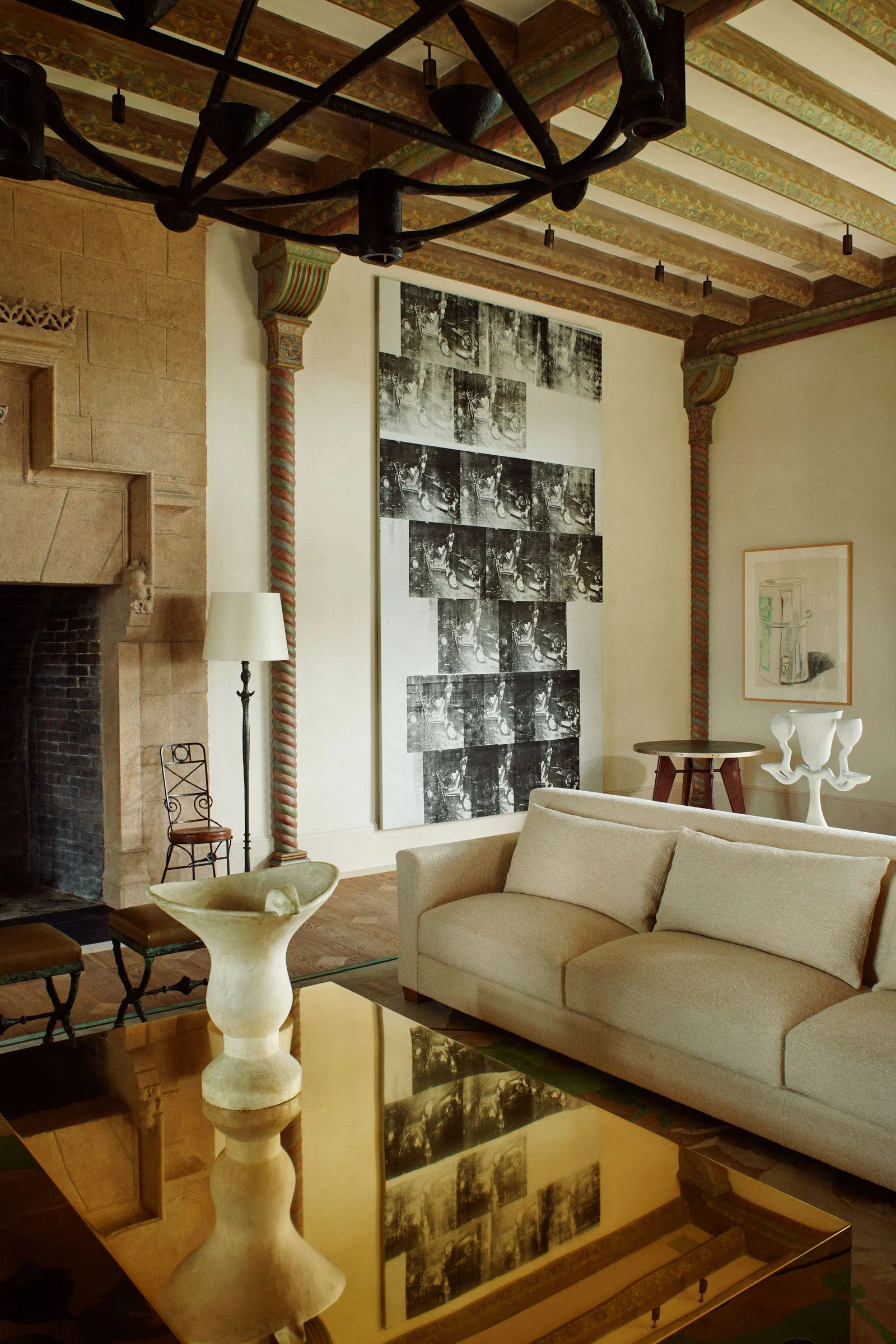
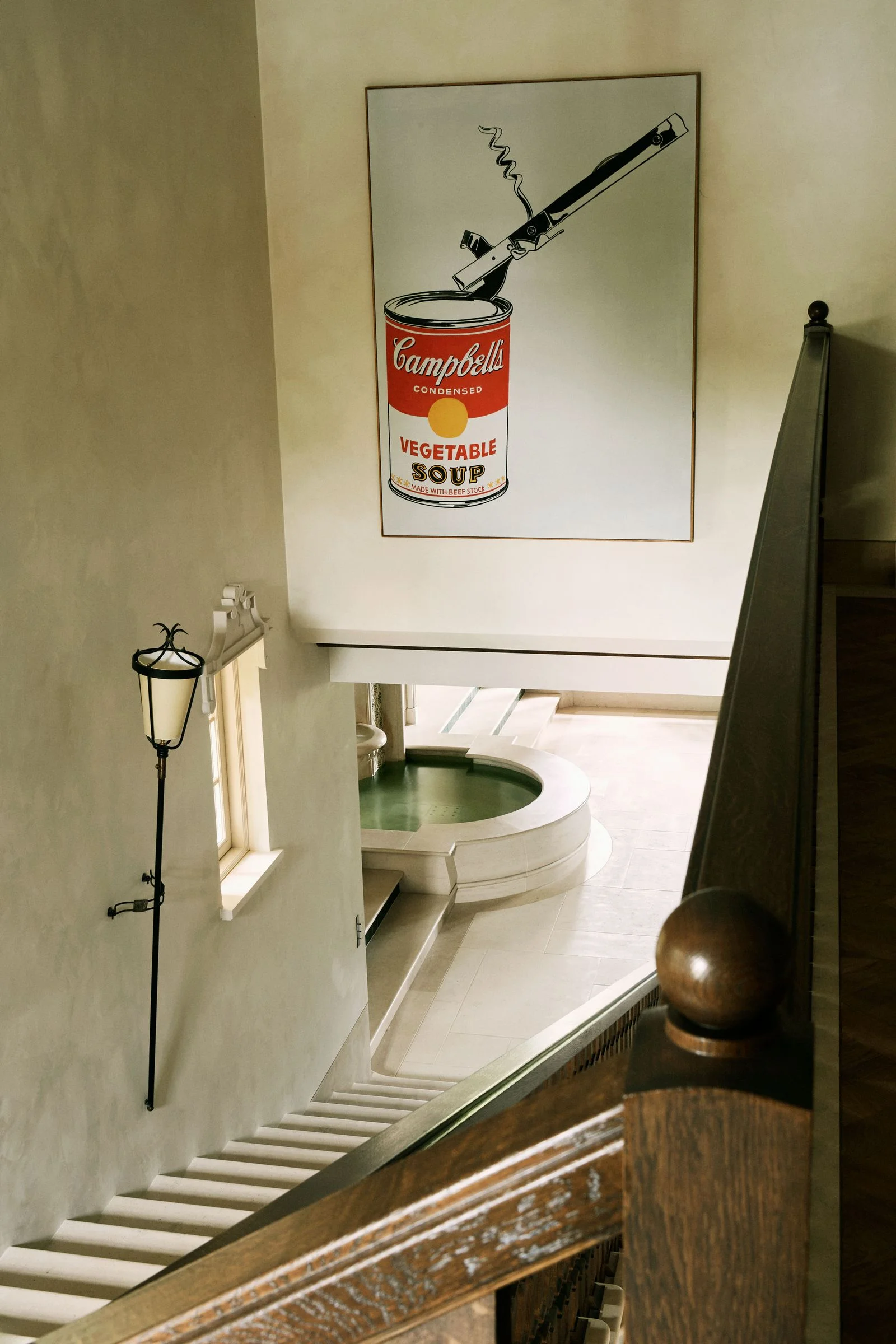
That history is visible throughout the Palm Beach home: Warhol shares space with Roy Lichtenstein, Paul Evans, Jean Prouvé, Jean Royère and others. The rooms read as a collector’s biography rather than a showroom checklist. And yet a collection this carefully assembled leaves a question hanging: how much of the house is a record of Brant’s own eye, and how much is Dirand’s interpretation of it?
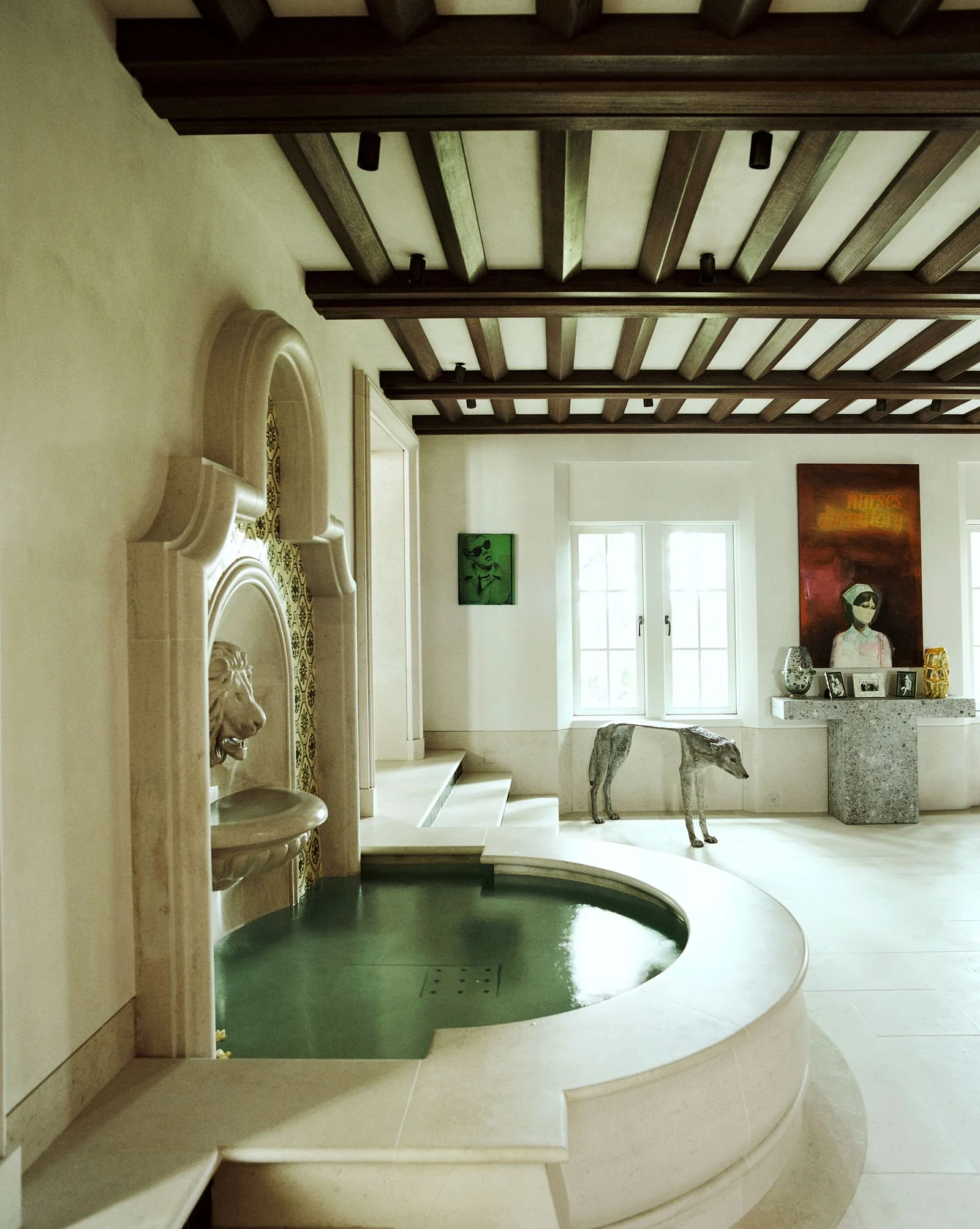
A collector’s eye, and a house with history
Peter Brant’s collection grew from a willingness to buy art that others dismissed. When he first hung an Andy Warhol Marilyn at home, guests thought it was terrible. In the 1960s, he recalled, serious Pop art collectors could be counted “on three hands.” That early conviction still shapes his approach: he looks for work that has fallen out of fashion, not for a quick return. His holdings, together with those of the Brant Foundation—which he founded in 1996 to promote the education and appreciation of contemporary art and design—now exceed 3,000 works.
Brant says he has never bought art to fill a particular wall. That’s more than a collecting quirk; it helps explain why he distrusts collections that feel professionally assembled but impersonal. “You can see right away that this guy had a great adviser,” he says, “but there’s no madness in the collection. Every collection should have some madness.”
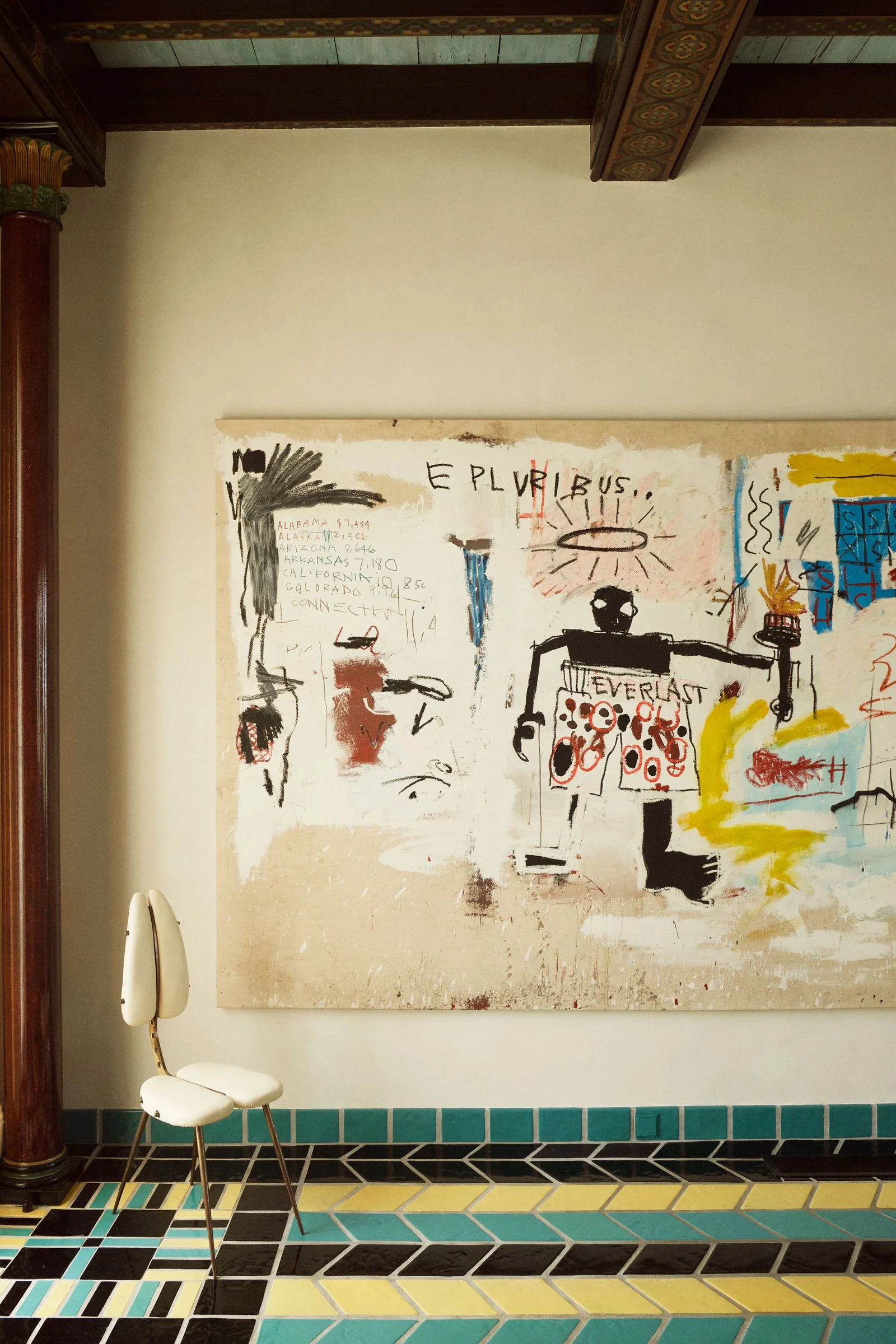
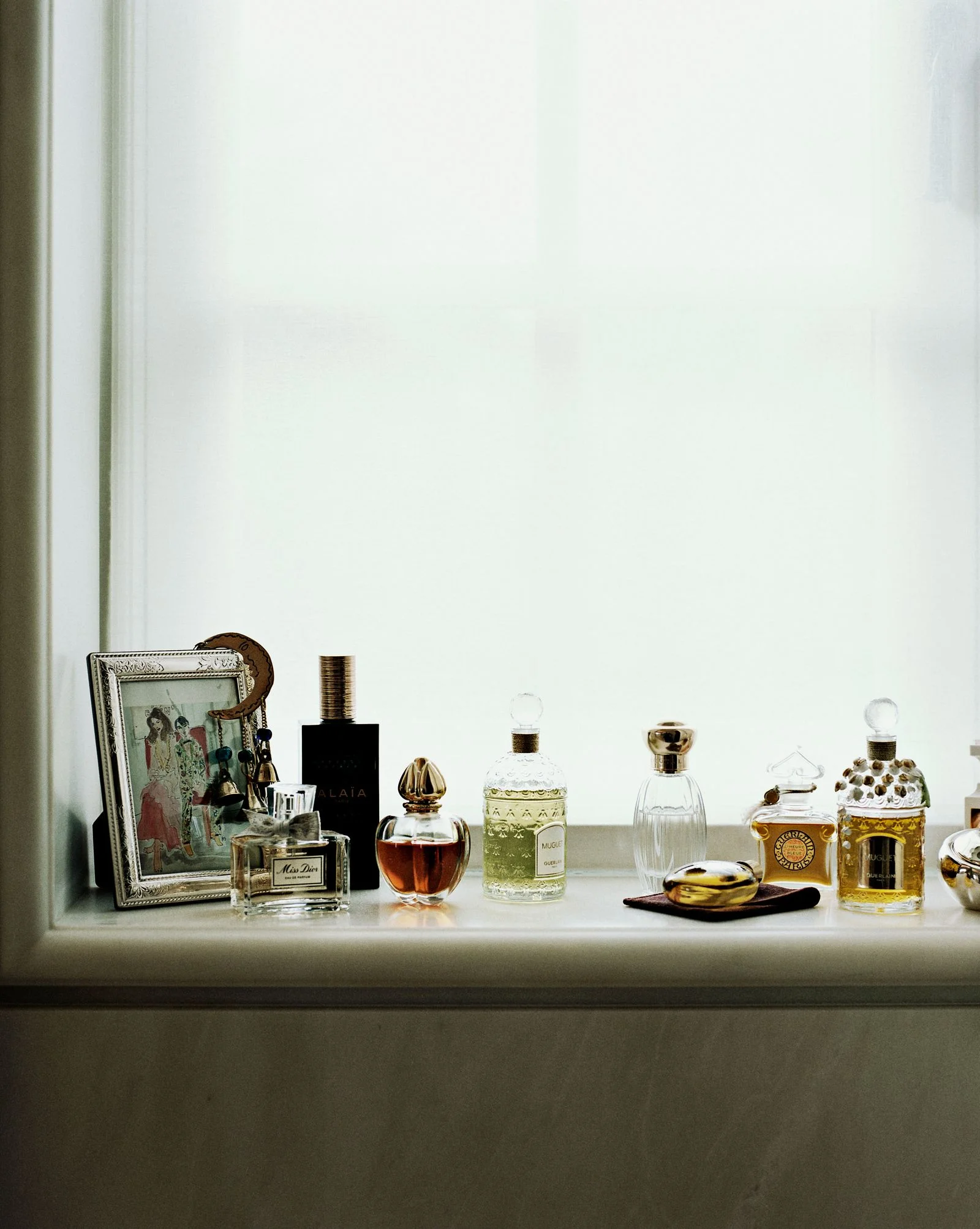
That instinct is shared, though expressed differently, by his wife, Stephanie Seymour Brant. They married in 1995, and her collecting centers on clothing, especially the work of Azzedine Alaïa, a close friend. She has assembled a major holding of his designs alongside historic couture that designer Joseph Dirand calls extraordinary. Dirand describes Seymour Brant as quieter than her husband, but says she was part of every decision. Her perspective has also changed how Brant thinks about fashion: “It’s not a dress in a closet,” he says. “It’s a piece of art, and it mixes with art.”
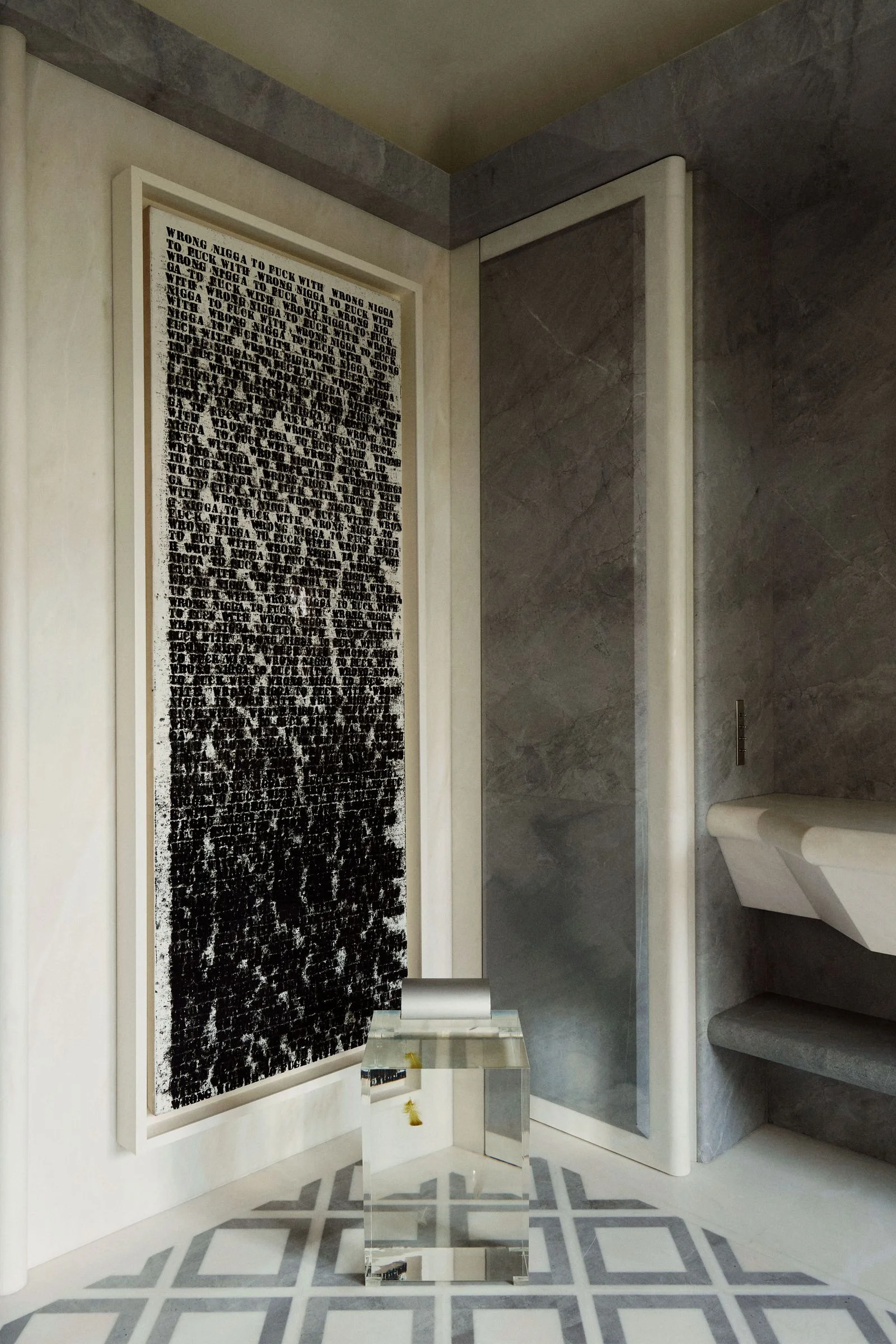
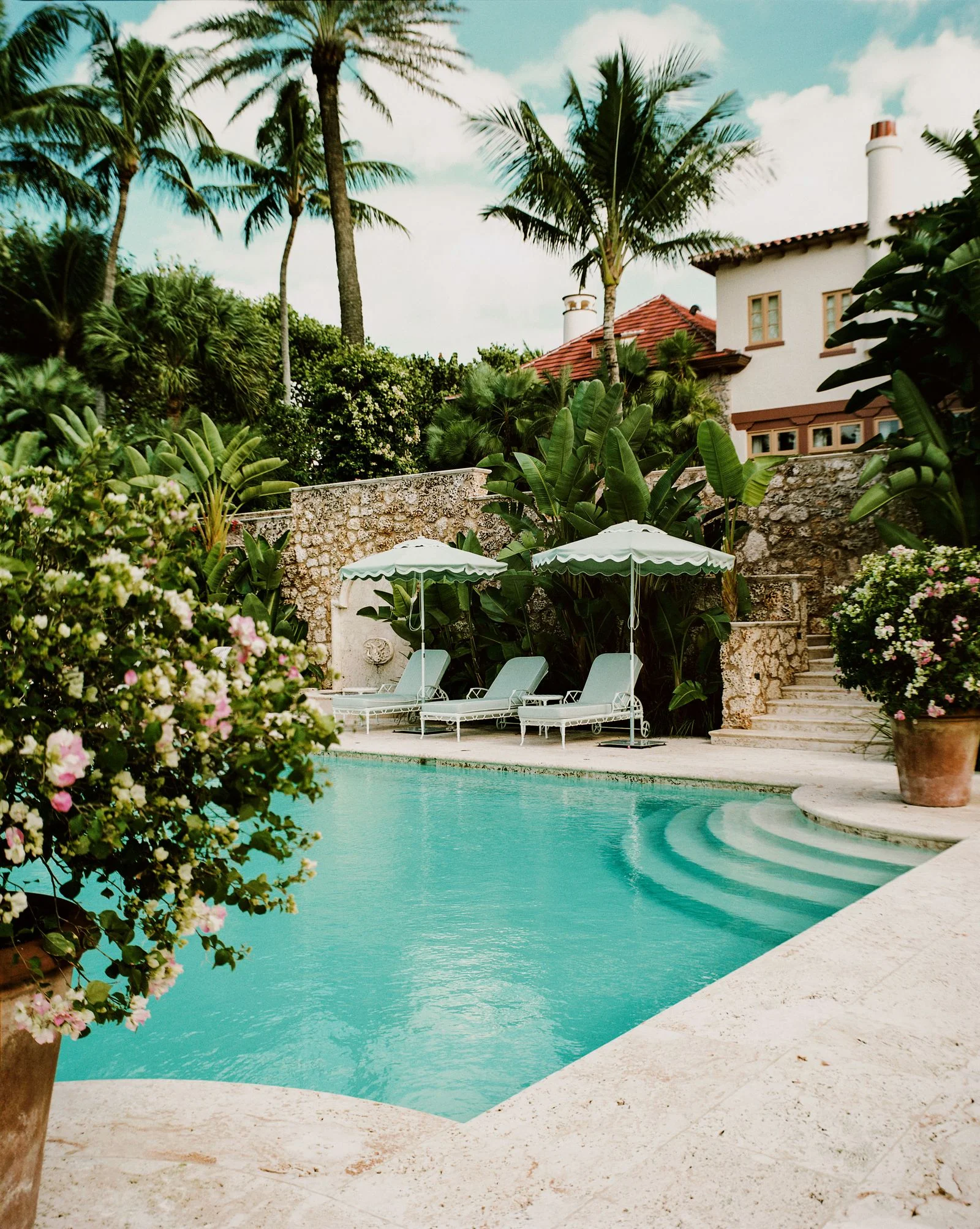
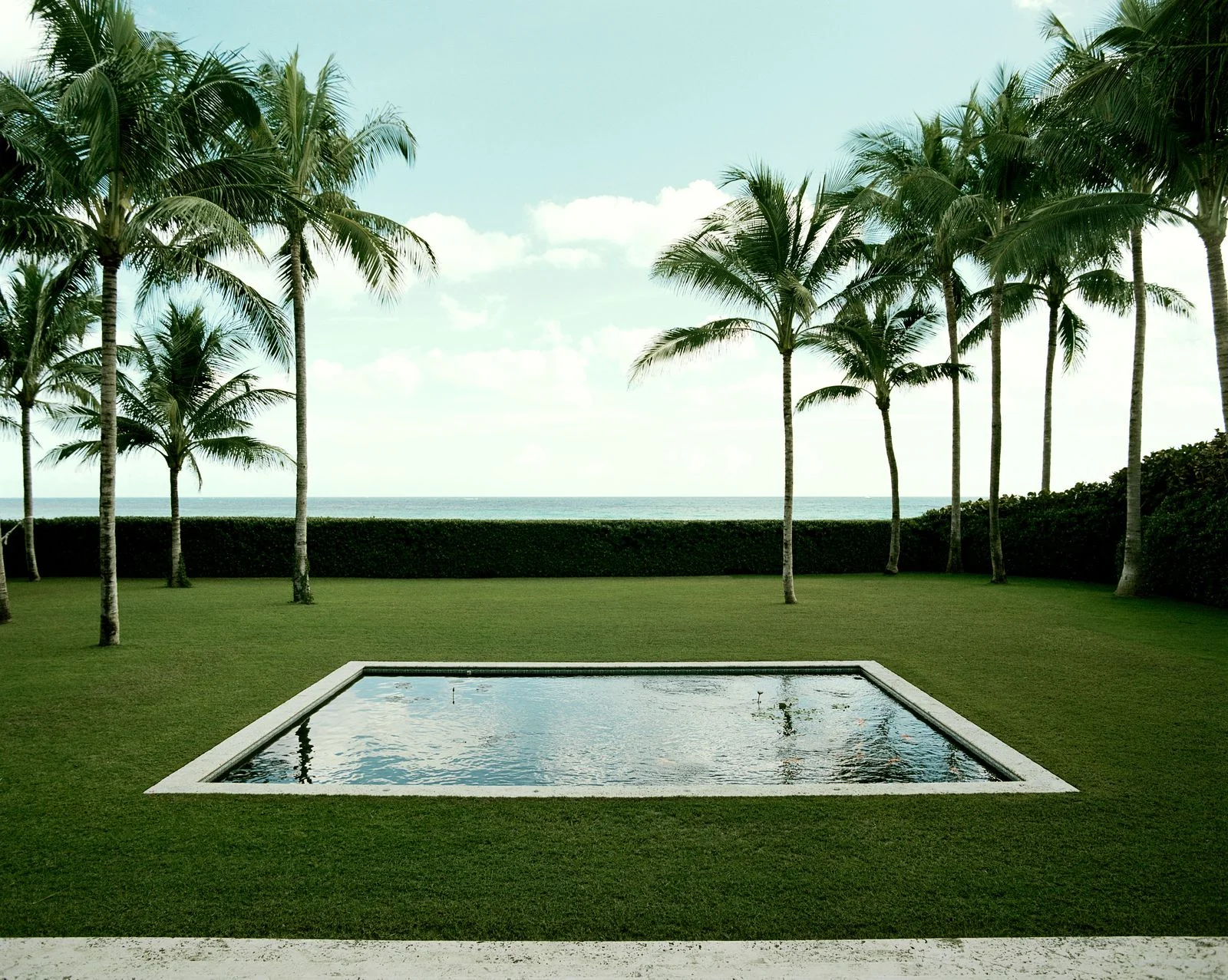
The couple’s Palm Beach house reflects the same appetite for objects with a past. Brant had spent about 50 years in the area, first as a polo player, and he and Seymour Brant were happy in the home where they raised their children. Then Collado Hueco, a residence by Addison Mizner, came on the market in 2020. Designed in 1924 for American businessman Paul Moore, the house is among Mizner’s boldest and most unusual designs. For Brant, the decision was immediate. “It was a piece of history,” Dirand says. “For him, there was no choice.”
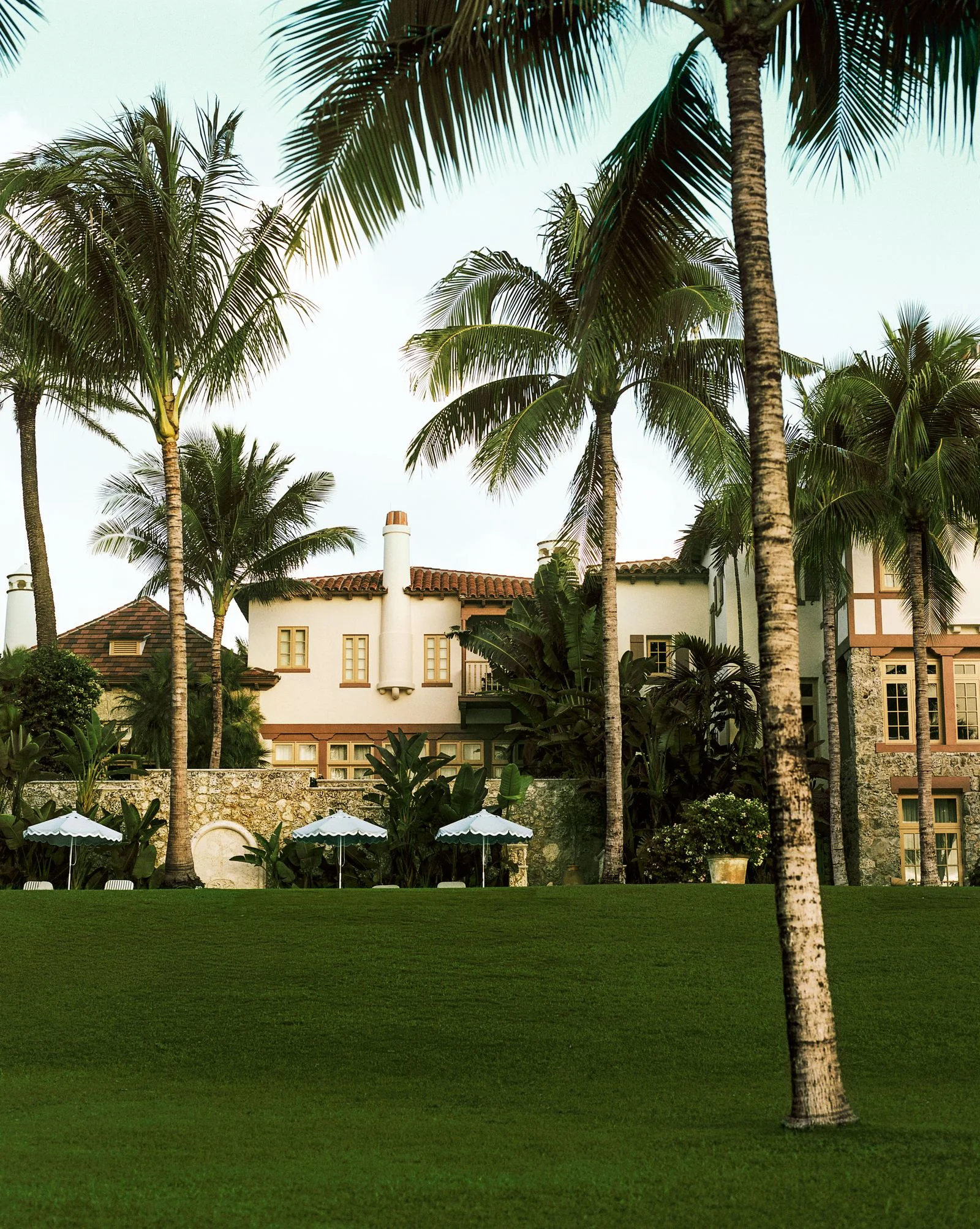
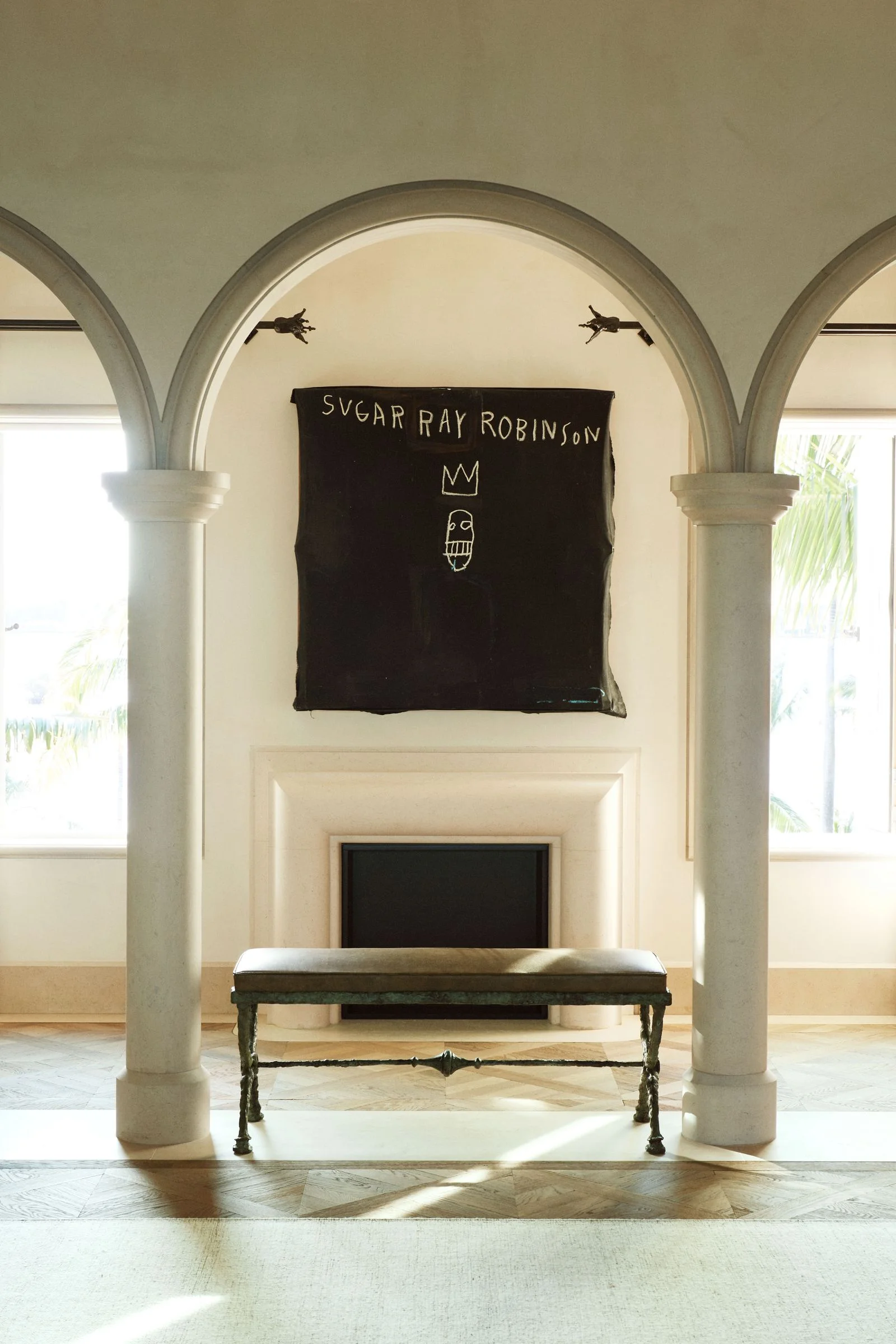
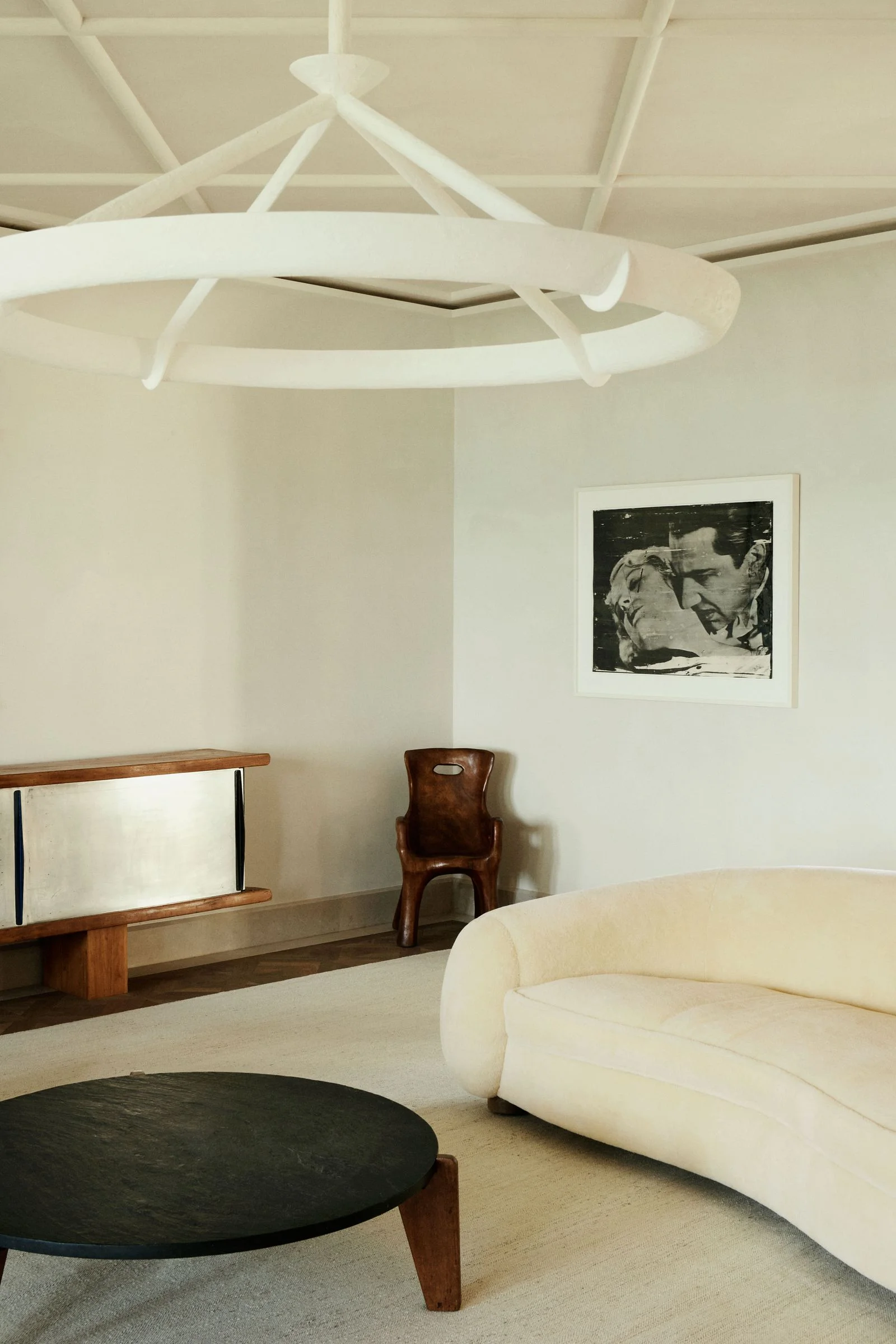
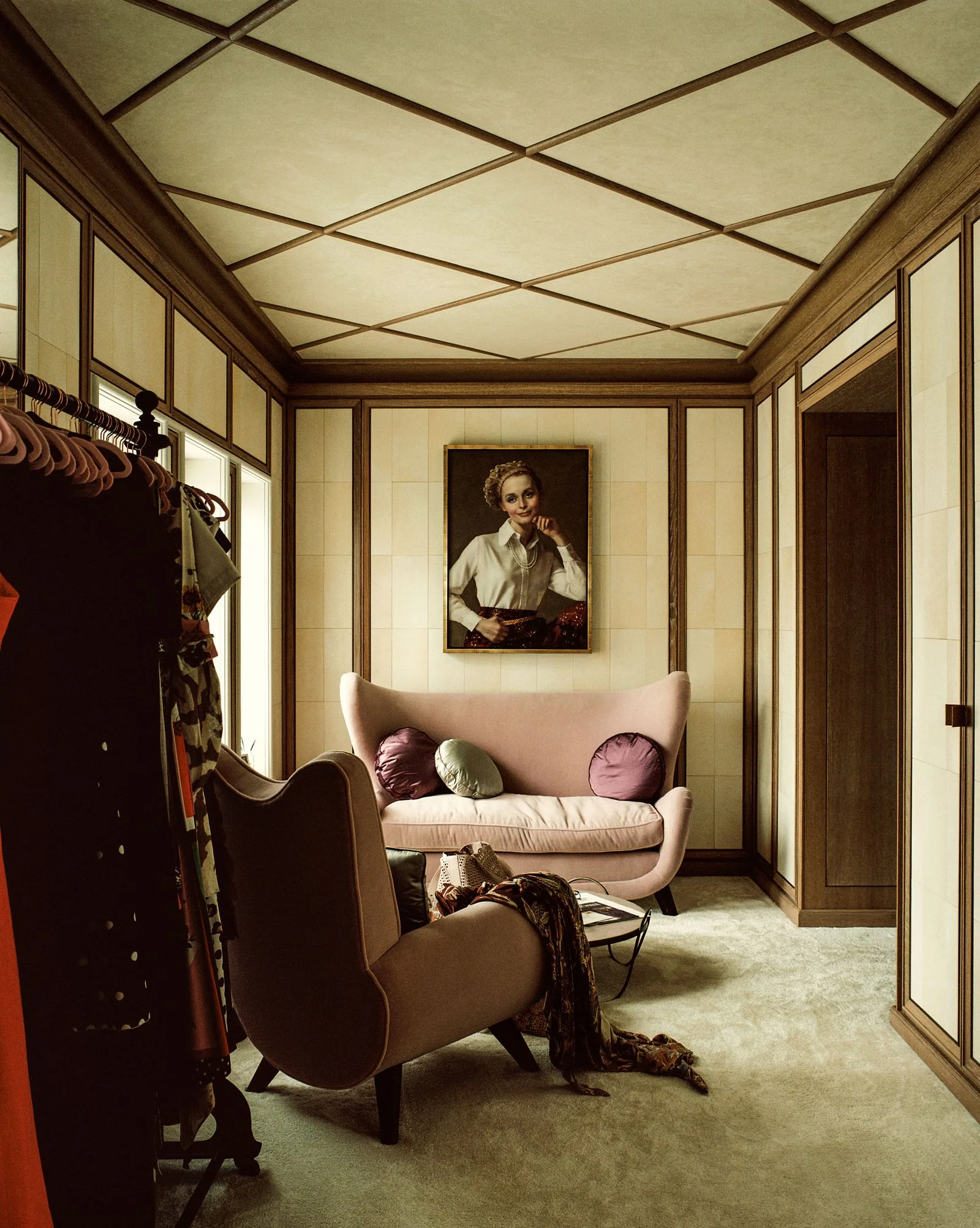
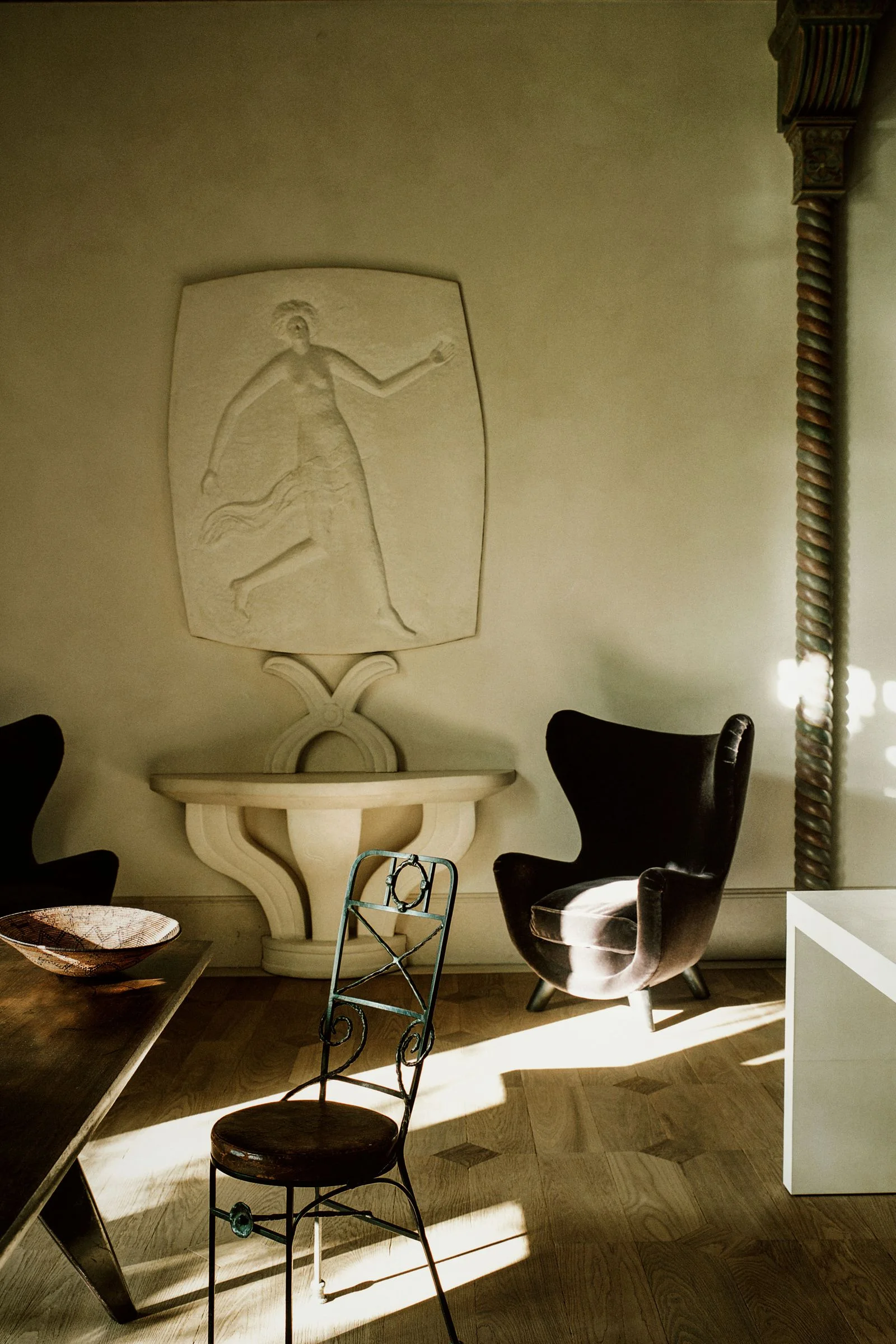
Preserving Mizner while securing the house
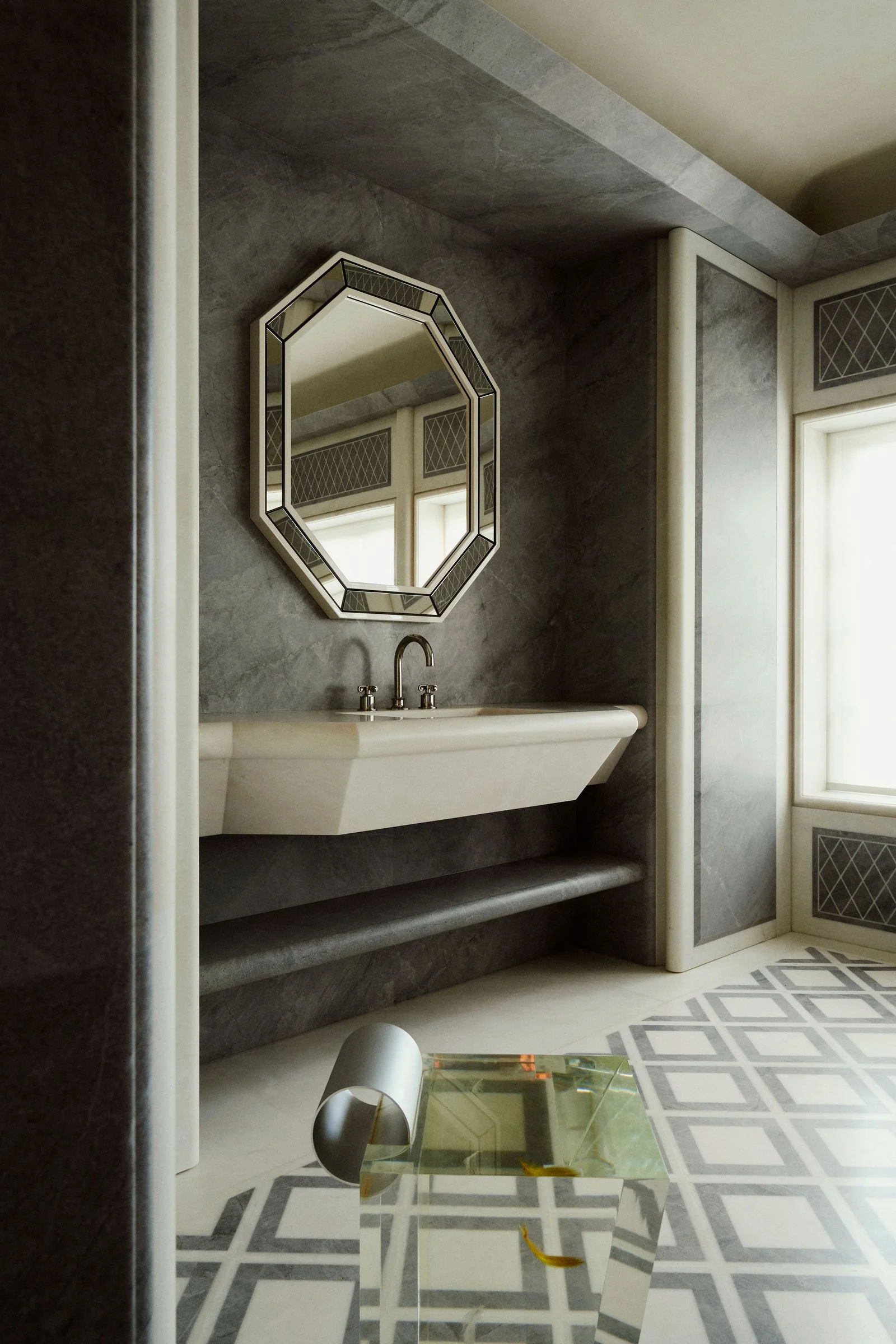
The renovation’s hardest problem was balancing light, history and protection for a valuable art collection. The asymmetrical house stretches across several wings and rises from one to three stories. Its main entertaining rooms retained their original character, but the entrance and stair hall felt dark and closed off. Interior designer Pierre-Yves Rochon Dirand wanted daylight to travel farther through the home while preparing it—and its collection—for Florida’s unpredictable weather. Dirand described the project as “a reconstruction saving the historical.” The team kept the historic walls, reinforced them and dug below the house to deepen its foundations. They fitted hurricane-proof windows into concrete frames and rebuilt the roof, preserving the original tiles and the patina on the plaster fireplace. The work took about four years. Dirand studied Addison Mizner’s doors, ceilings and patterns to make the new rooms feel like a considered tribute. That restraint matters. Rebuilding around the old structure allowed the house to gain protection without erasing the features that gave it character.The collection came first
Seymour Brant gave Dirand two thick binders at the start: one catalogued artworks, the other design pieces. Dirand later spread the pages across the floors while on holiday with his family. “I was walking on the paper,” he recalled. Usually, an architect shapes rooms before the art arrives. Here, the collection helped set the terms from the outset. But Dirand didn’t treat it as a fixed plan: “a collection is also something that is alive.” That’s a useful distinction. The house had to make room for the works while leaving space for the collection—and the rooms—to evolve.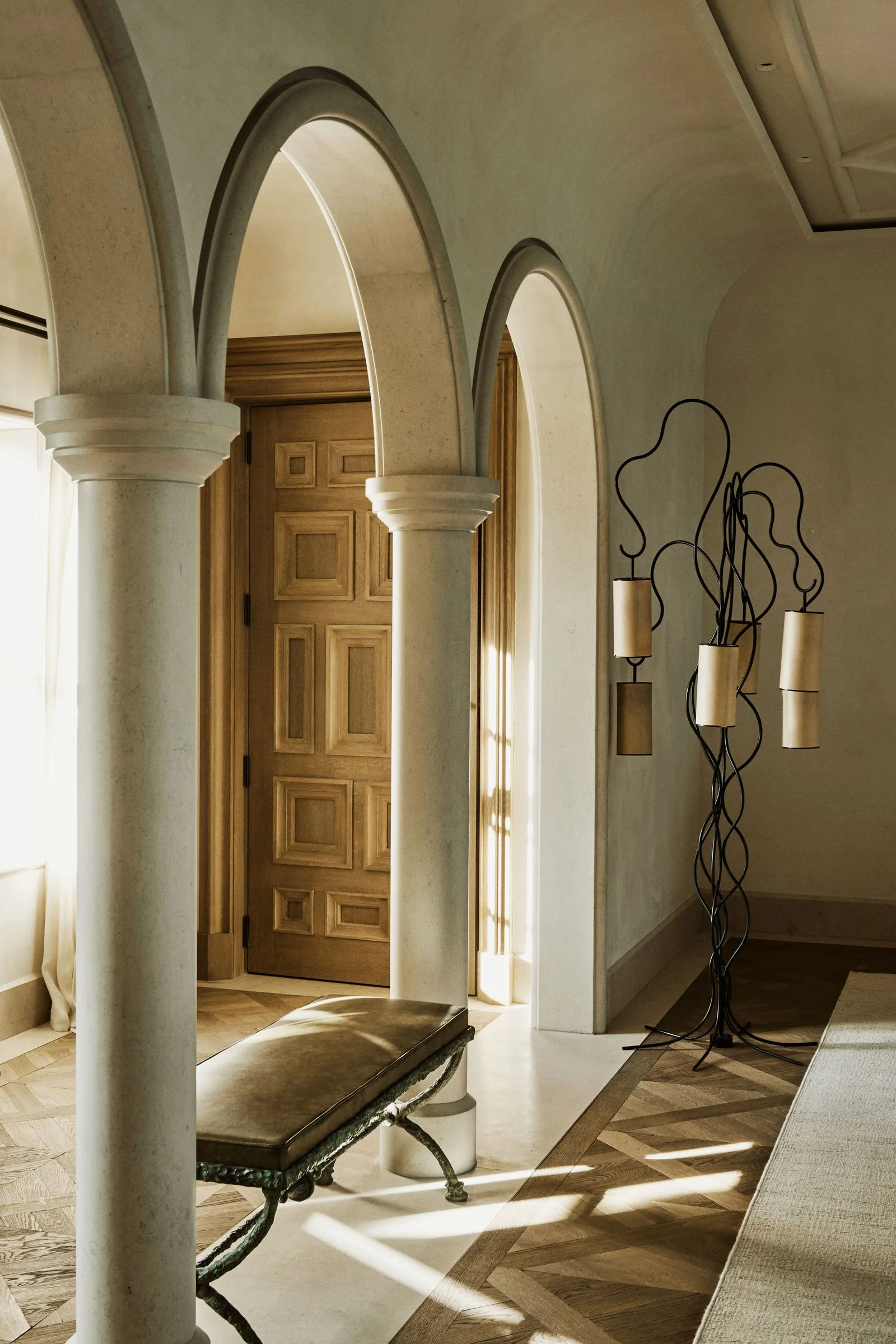
Discussion
Sign in to join the discussion.