Hoboken leads a study of walkable US cities, while West Hollywood, Boston and San Francisco stand out for pedestrian-friendly neighborhoods and local amenities.

Walkability matters well beyond the price of a tank of gas. A neighborhood where daily needs are close can cut car costs, support health and reduce environmental impact; it can also draw buyers who value easy access to shops, transit and public spaces. That appeal may show up in home values, says Daryl Fairweather, chief economist at Redfin, which tracks walkability through its Walk Score tool. Fairweather also points to the social side: walkable streets bring people into contact with local businesses, shared spaces and neighbors. That’s a broader case for walkability than convenience alone.
To identify the most walkable US cities, we reviewed recent research, including an analysis by travel and discovery platform Only in Your State, and spoke with real estate agents, residents and tourism experts around the country.
Hoboken, New Jersey
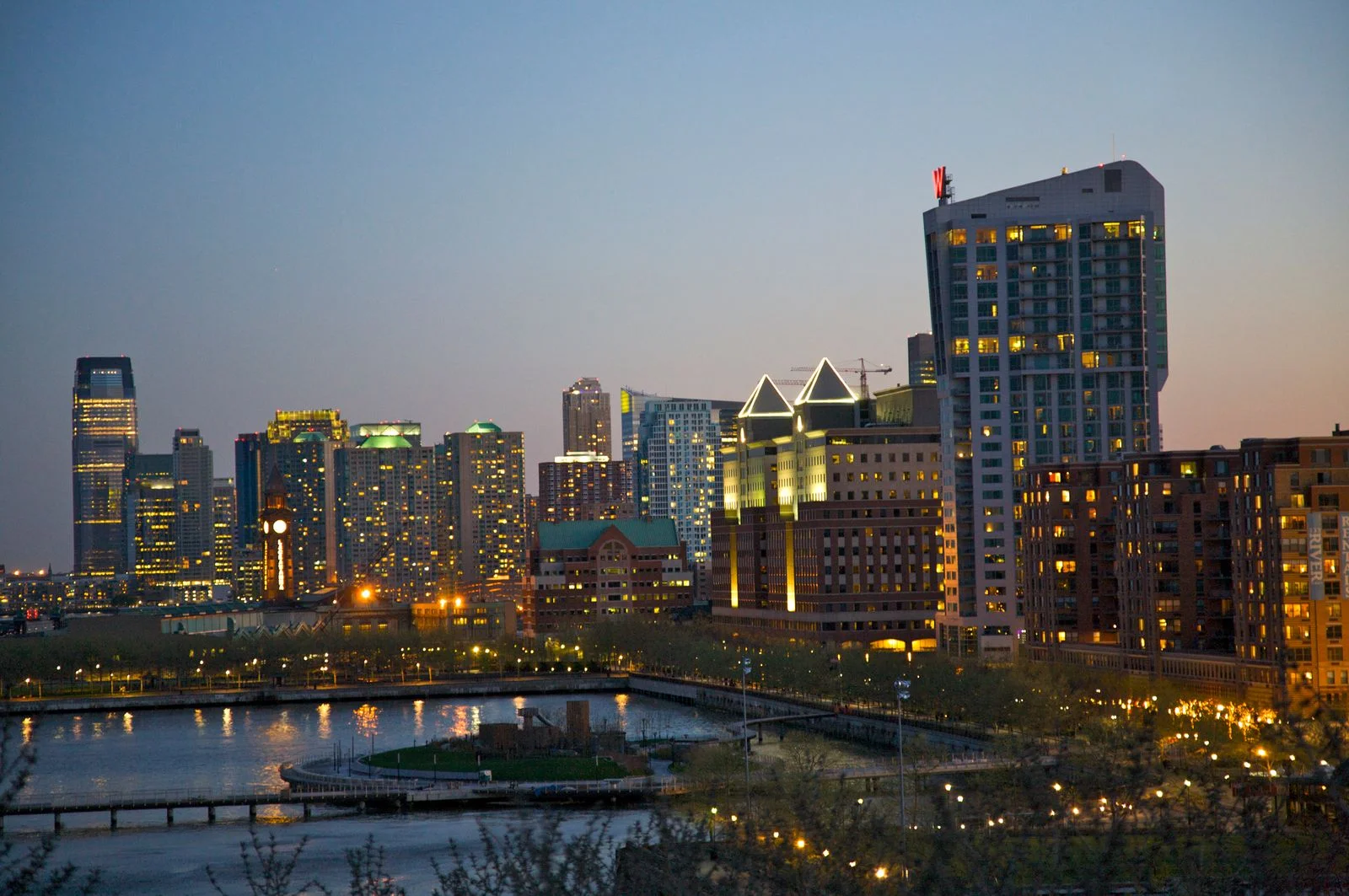
Only in Your State ranks Hoboken first, giving the compact New Jersey city a Walk Score of 97—nearly a perfect mark. Its dense street grid, mixed-use buildings and plentiful public transit help explain the result. Hoboken covers about one square mile and lies just across the Hudson from Manhattan. The state’s showing is notable, too: Union City, West New York and Jersey City also made the study’s top 10.
West Hollywood, California
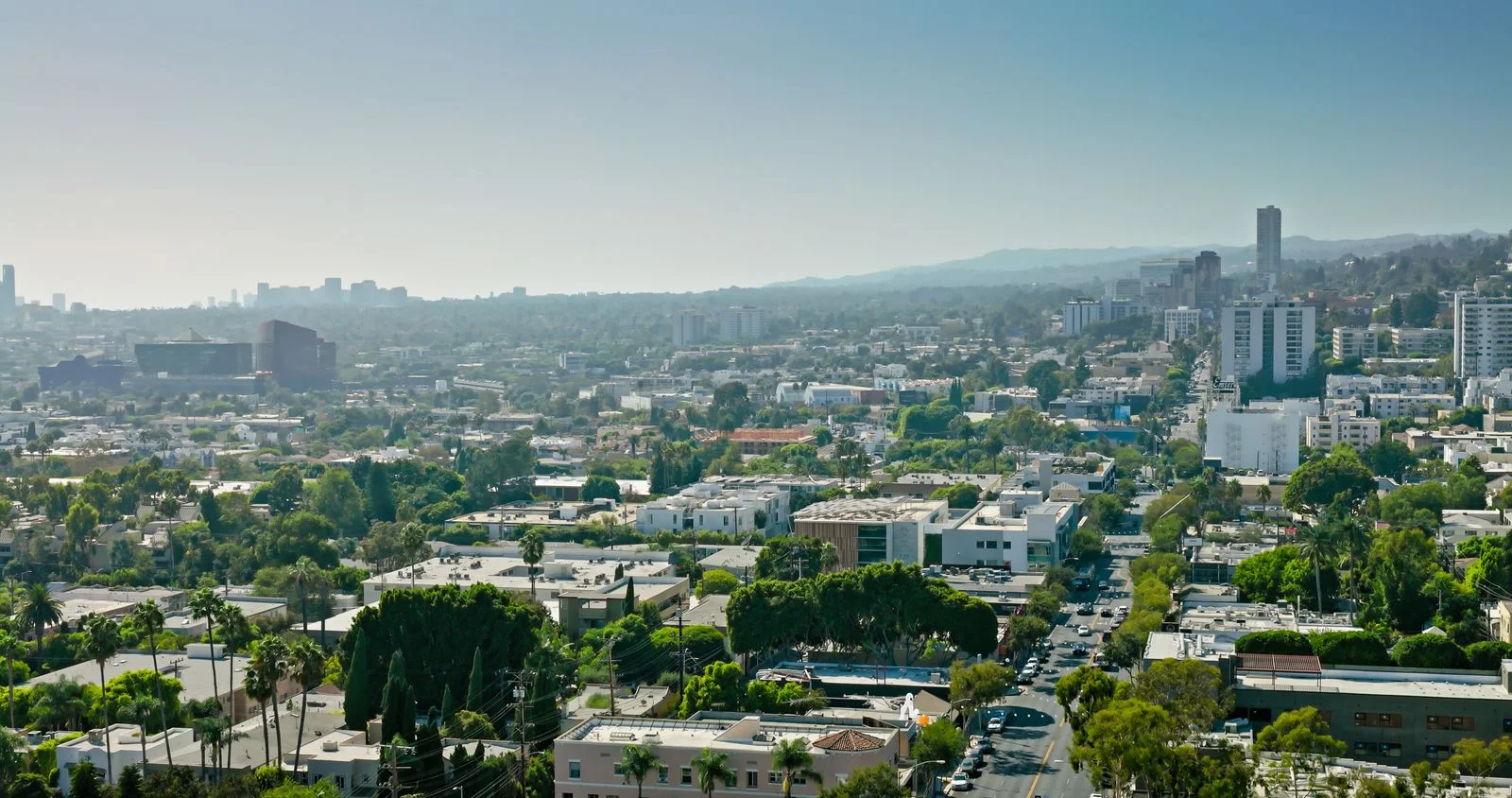
West Hollywood placed fourth in the analysis, with a Walk Score of 91. That’s a strong result in Los Angeles County, where public transit is limited by comparison. More than 300 restaurants, bars and coffee shops fit into a city of just under two square miles, and its walkability is especially useful around the busy nightlife district of the Sunset Strip. For visitors heading out there, being able to get around on foot is more than a lifestyle perk; it makes access to the area’s venues easier.
Boston
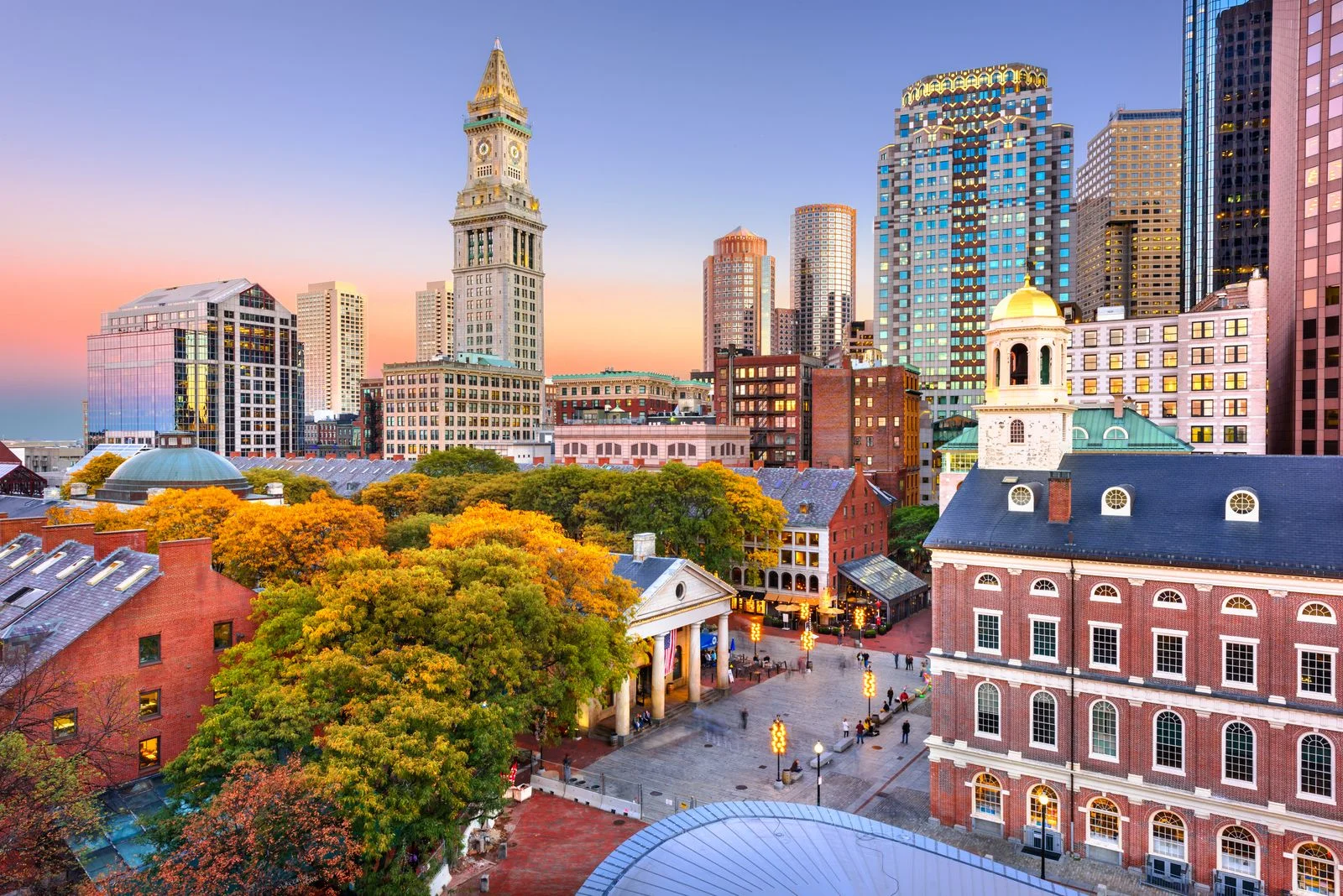
Boston’s appeal on foot comes from the distinct feel of its neighborhoods, says George Sarkis, CEO and cofounder of the Sarkis Team at Douglas Elliman. He describes a walk that can take you from Beacon Hill’s historic brownstones to Back Bay shops and restaurants, through the Public Garden and into the South End without seeming like a long trek. The city’s landmarks, old architecture and cobblestone streets reward exploring at walking pace. That mix of useful connections and local character is what makes Boston’s walkability more than a score.
San Francisco
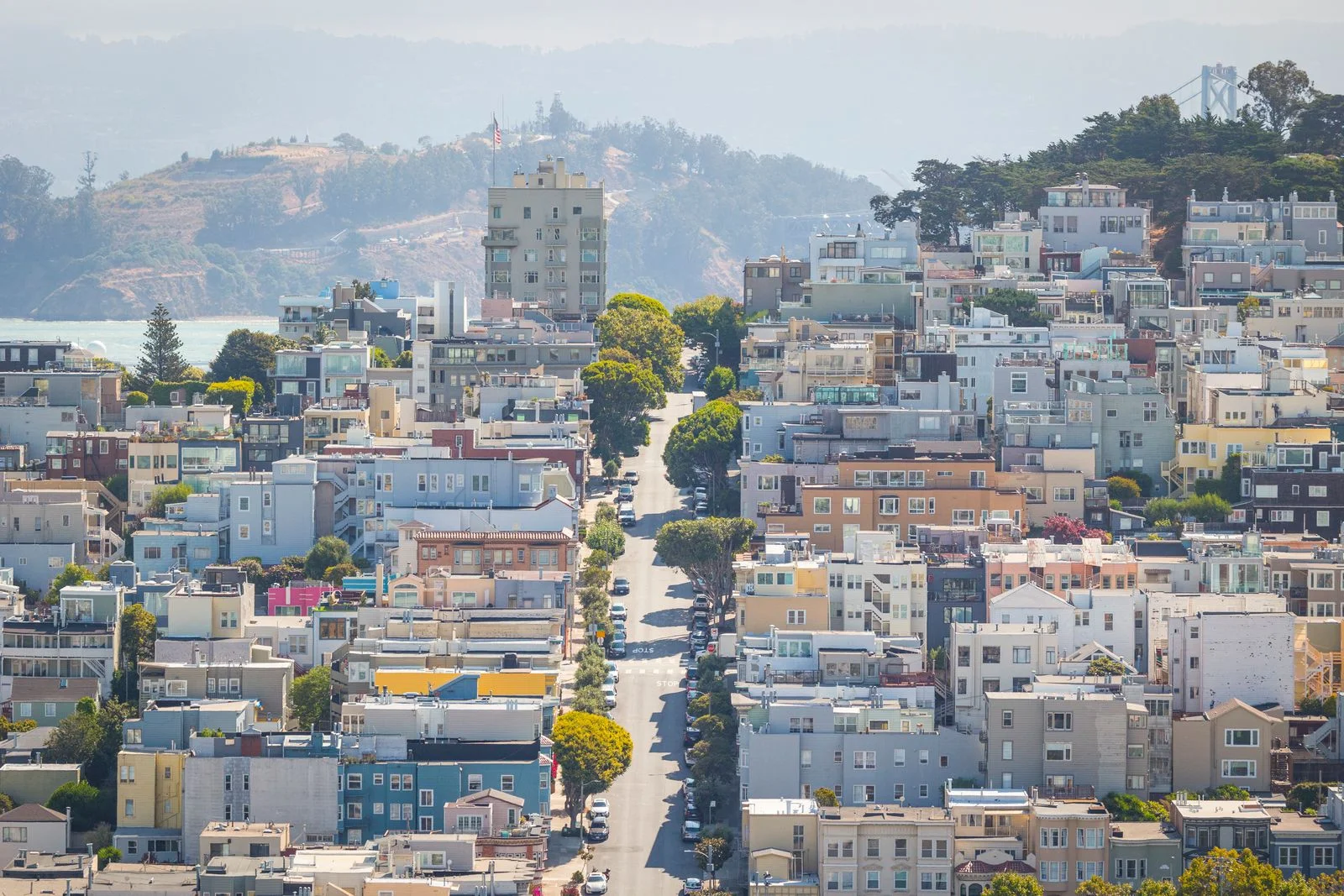
San Francisco pairs a high transit score with neighborhoods many residents prefer to explore on foot. Realtor Wendy Newman, who has lived in the city since 1987 and works with Wesely & Associates, describes the small discoveries that make an ordinary outing memorable: buying groceries, stopping for coffee, noticing a Victorian home’s outlandish paint colors, greeting a familiar neighbor and finding an unexpected bookstore. The city’s mild weather makes walking in Chinatown and North Beach enjoyable throughout the year. The hills, of course, add their own demands.
New York
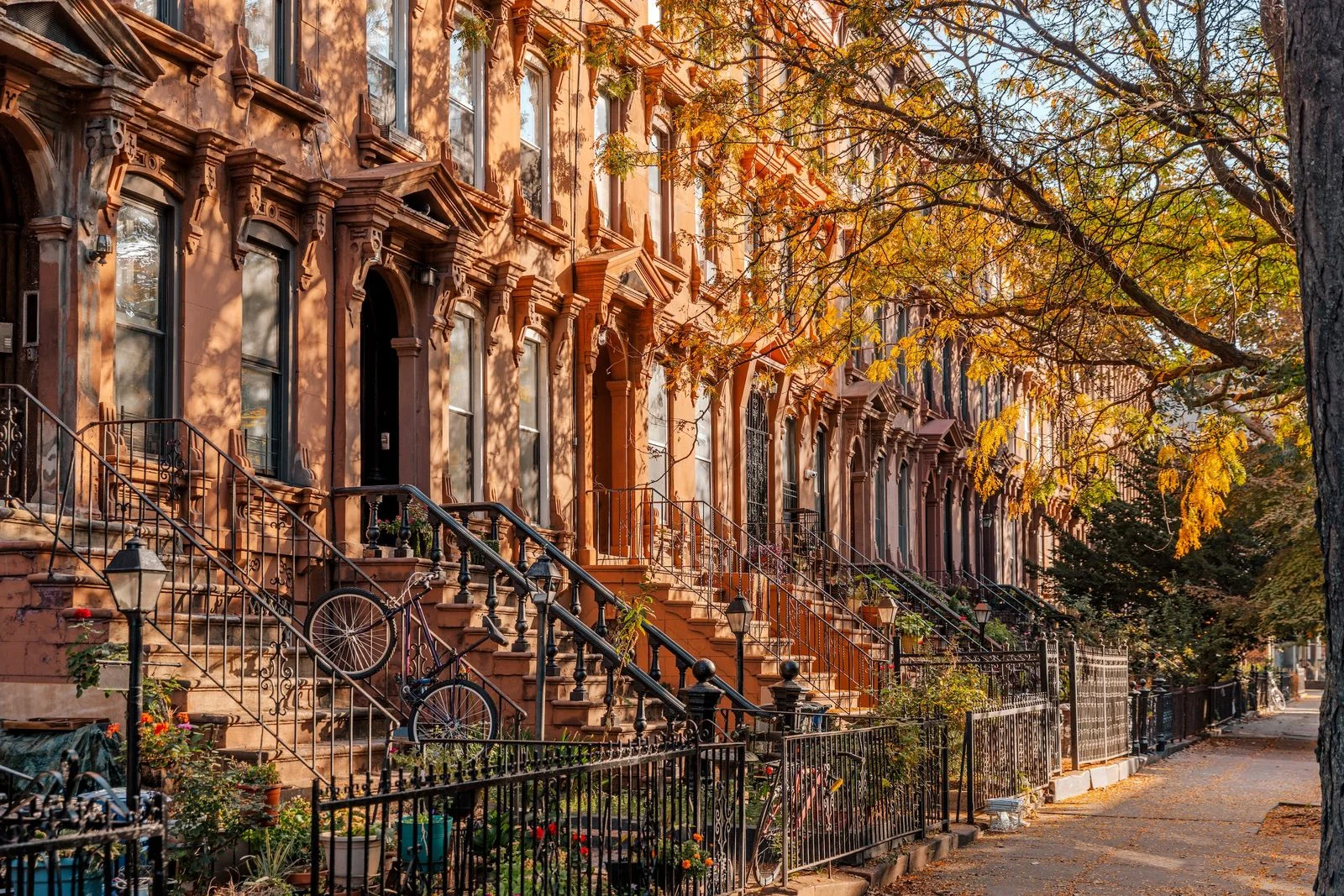
New York came up repeatedly in conversations with experts. Its pedestrian routes run from the cafés of Little Italy to the East River Promenade and Brooklyn Bridge Park, and the city’s grid helps people find their way. But the case for walking isn’t just about avoiding cab fares. Kate Wollman-Mahan, an agent at Christie’s International Real Estate New York, cites a city Health Dashboard figure and economist Jonathan Miller’s analysis: life expectancy in New York City is 82.3 years, compared with 77.3 years nationally. She argues that walking is woven into daily routines, from coffee runs and errands to time in the park.
Washington, DC
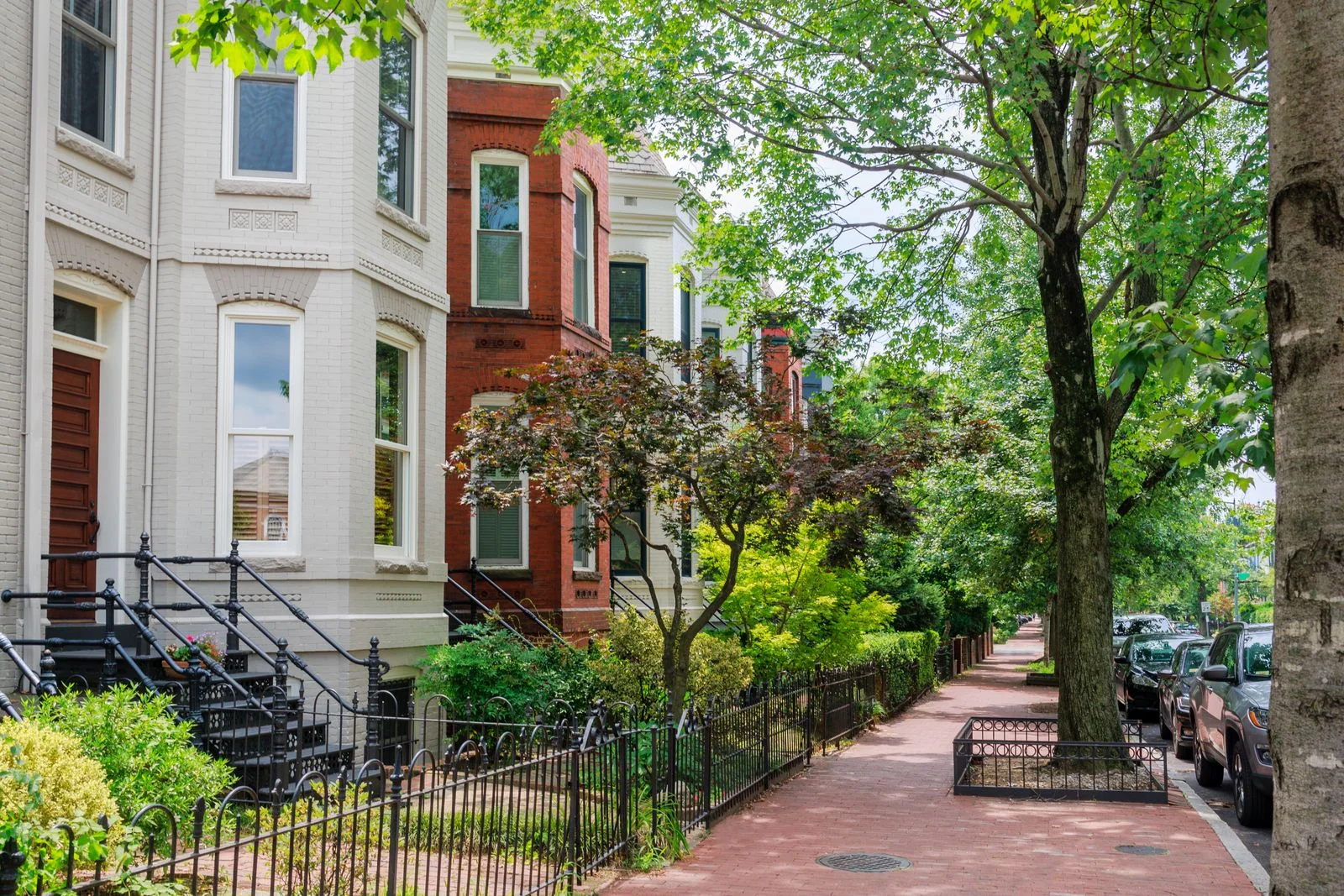
Washington, D.C.: A walk score of 98
Washington, D.C.’s 98 Walk Score is more than a strong number: walking is part of how visitors and residents encounter the city. The Spy Museum even created a free walking tour that connects espionage history to places around the National Mall and downtown. “We send them around the National Mall and downtown area with espionage history that happened in those exact places throughout history,” says Aliza Bran, the museum’s director of media relations. Dupont Circle, U Street, Capitol Hill, and Georgetown also stand out for walkability.7. Chicago
8. Miami
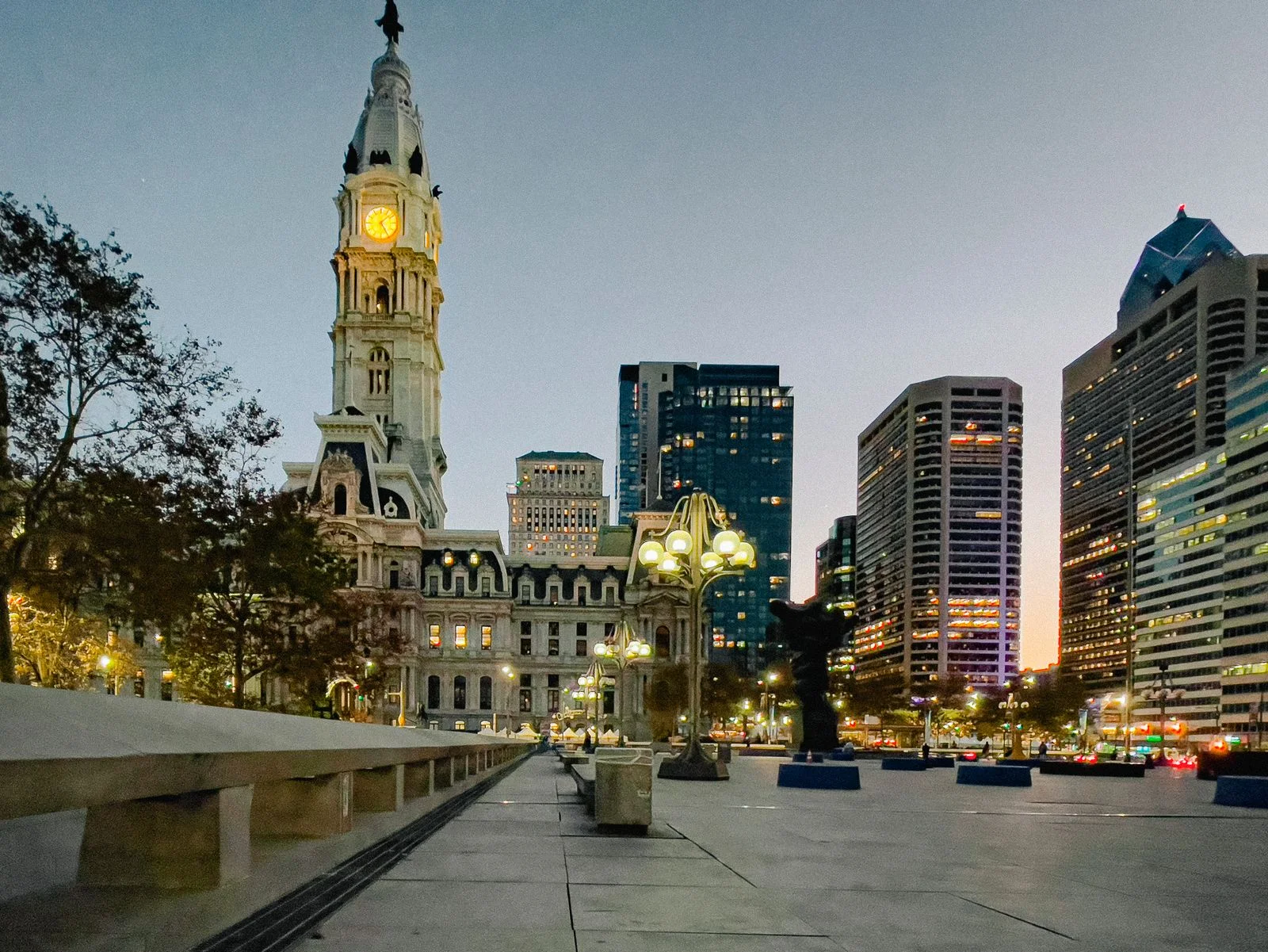
9. Philadelphia
Discussion
Sign in to join the discussion.