From Alabama’s 1907 mansion to California’s Victorian residence, America’s governor’s homes blend historic architecture with varied occupancy.

The governor’s mansion is more than a ceremonial address: it can be a working home, a public museum, or a house its intended occupant would rather avoid. Nineteen newly elected U.S. governors face a move after their January inaugurations. Five states—Arizona, Idaho, Massachusetts, Rhode Island, and Vermont—have no governor’s mansion. The residences that do exist range from historic showpieces to properties with unsettling reputations; New York’s mansion, for instance, has been described as haunted.
And an official residence doesn’t guarantee a governor will live there. Some choose privately owned homes. California’s Gavin Newsom, for example, recently listed his $7.5 million home in Fair Oaks, where he lived instead of the state’s 19th-century Victorian mansion in Sacramento. Montana’s mansion is vacant and in disrepair. Nebraska’s official residence, meanwhile, has gone more than a decade without a governor living in it.
Still, tradition holds in much of the country. Virginia’s executive residence has been continuously occupied by governors since 1813, making it the nation’s oldest in that regard. The contrast is striking: these houses can carry generations of public history, but their future depends on whether a new governor actually wants to live in one. Here’s a look at the residences awaiting some of the incoming governors.
Alabama: Tommy Tuberville
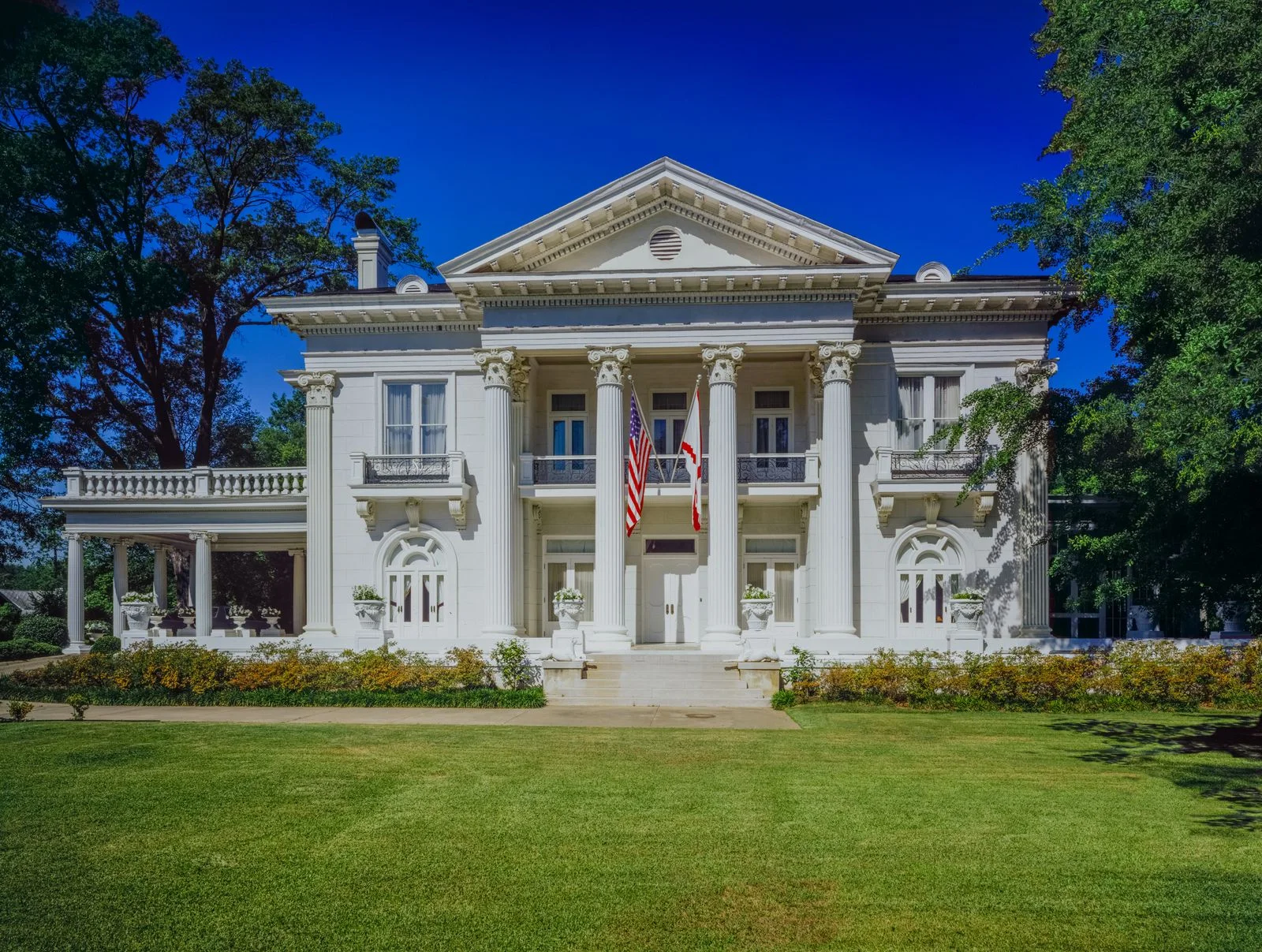
Republican Tommy Tuberville won Alabama’s governor’s race and is set to move into Montgomery’s 119-year-old governor’s mansion after his inauguration. Architect T. Weatherly Carter designed the 17-room Neoclassical house, built in 1907. Four Corinthian columns mark the front entrance; inside, a foyer opens onto a sweeping divided staircase.
California: Xavier Becerra
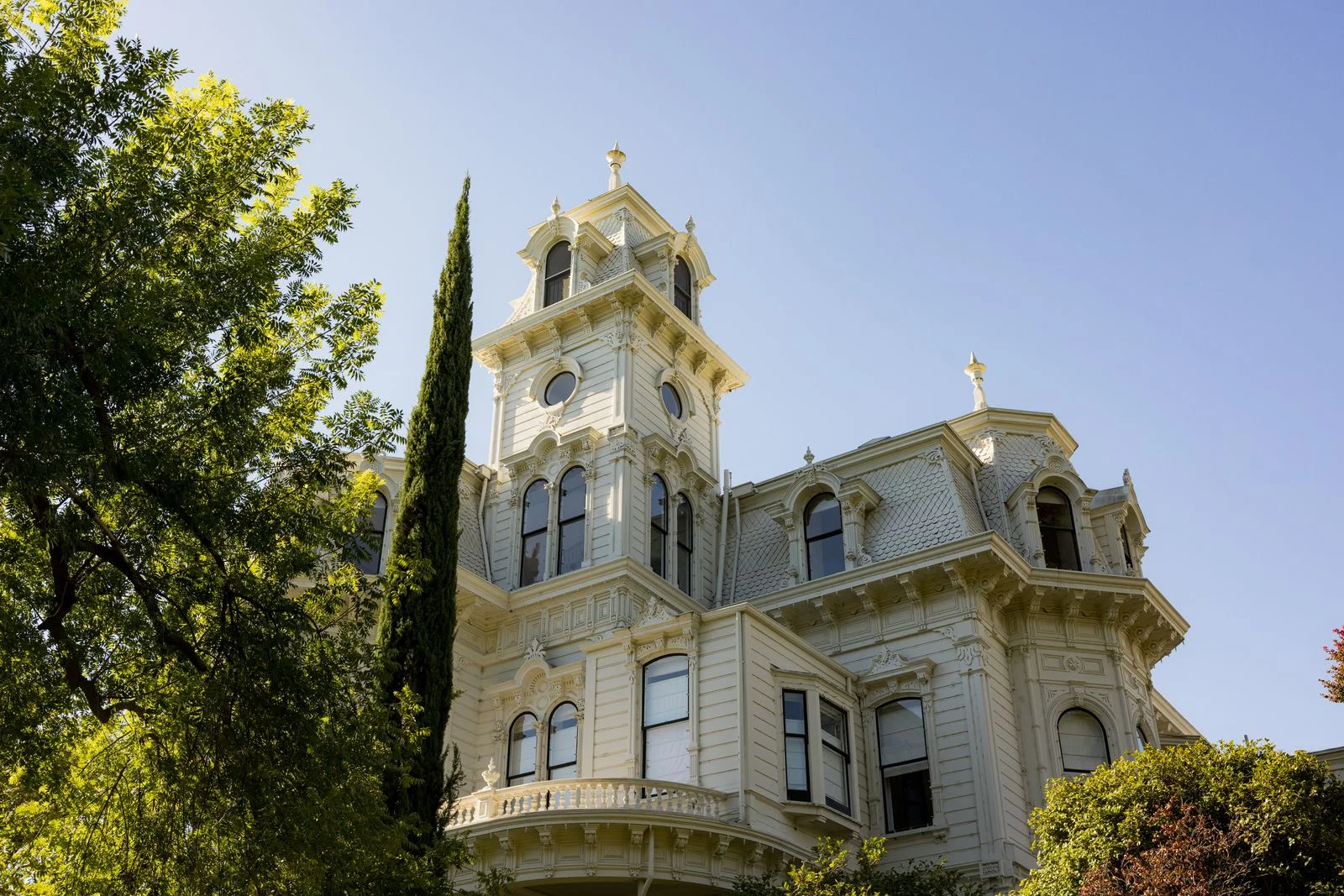
Democrat Xavier Becerra is California’s governor-elect, and his expected residence is a three-story Victorian in Sacramento. Built in 1877, the 20,000-square-foot house has had an uneven life as a home. Ronald and Nancy Reagan lived there briefly in 1967, then considered it uninhabitable. It later served as a museum before a major renovation in 2015 returned it to use by the state’s governors. The house has 30 rooms, Italian marble fireplaces, original wood floors, and a kidney-shaped pool.
Colorado: Phil Weiser
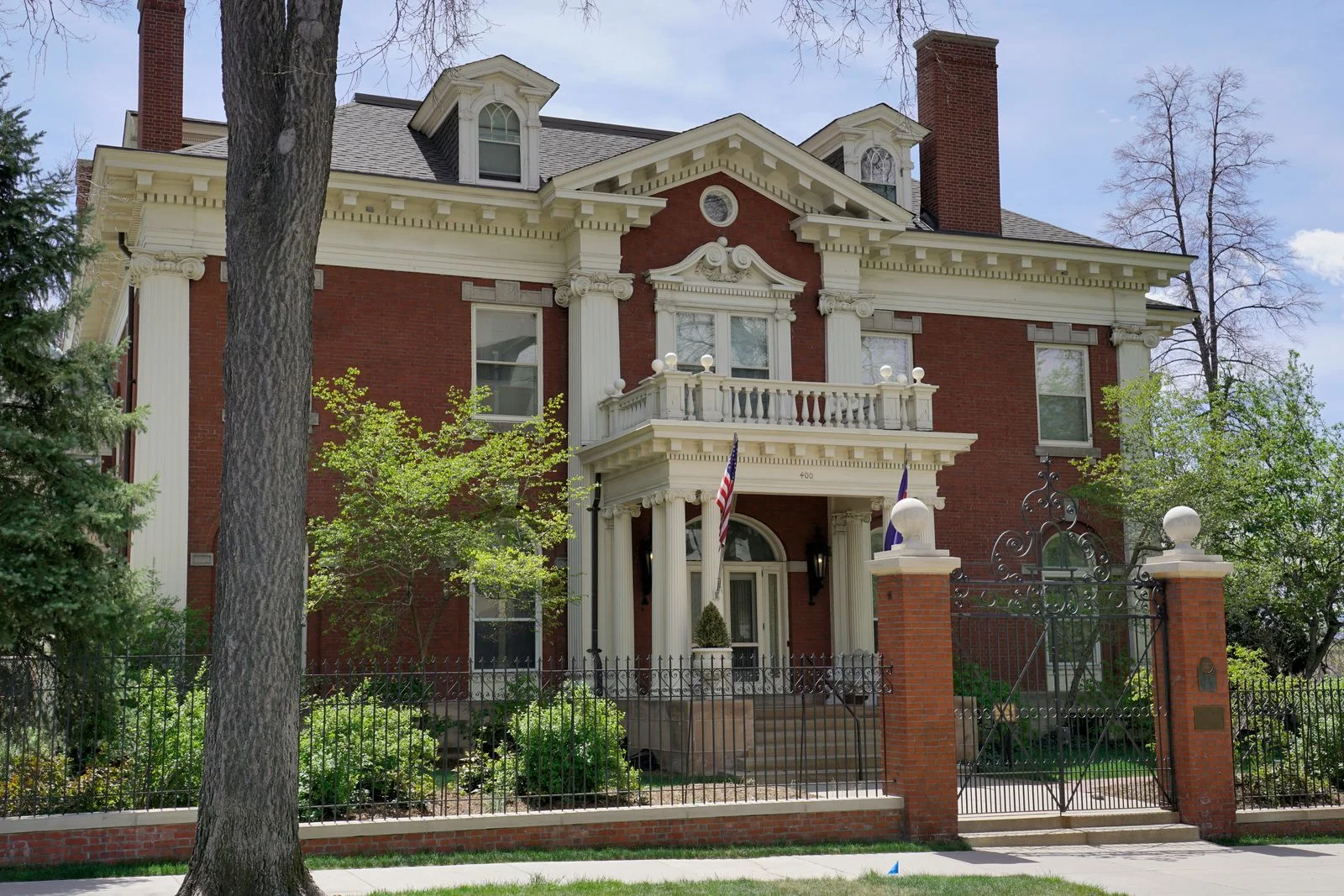
Denver’s red-brick governor’s residence, known as Colorado’s Home, is waiting for Democrat Phil Weiser. The 1908 Colonial Revival house became the state’s official residence in 1960. It contains 27 rooms, while its one-acre grounds include gardens, a historic gazebo, a greenhouse, and a carriage house. There’s a more casual detail, too: former governor John Hickenlooper, who served from 2011 to 2019, helped bring a rotating selection of local beers on tap. The residence’s preservation group offers more details about the house.
Florida: Byron Donalds
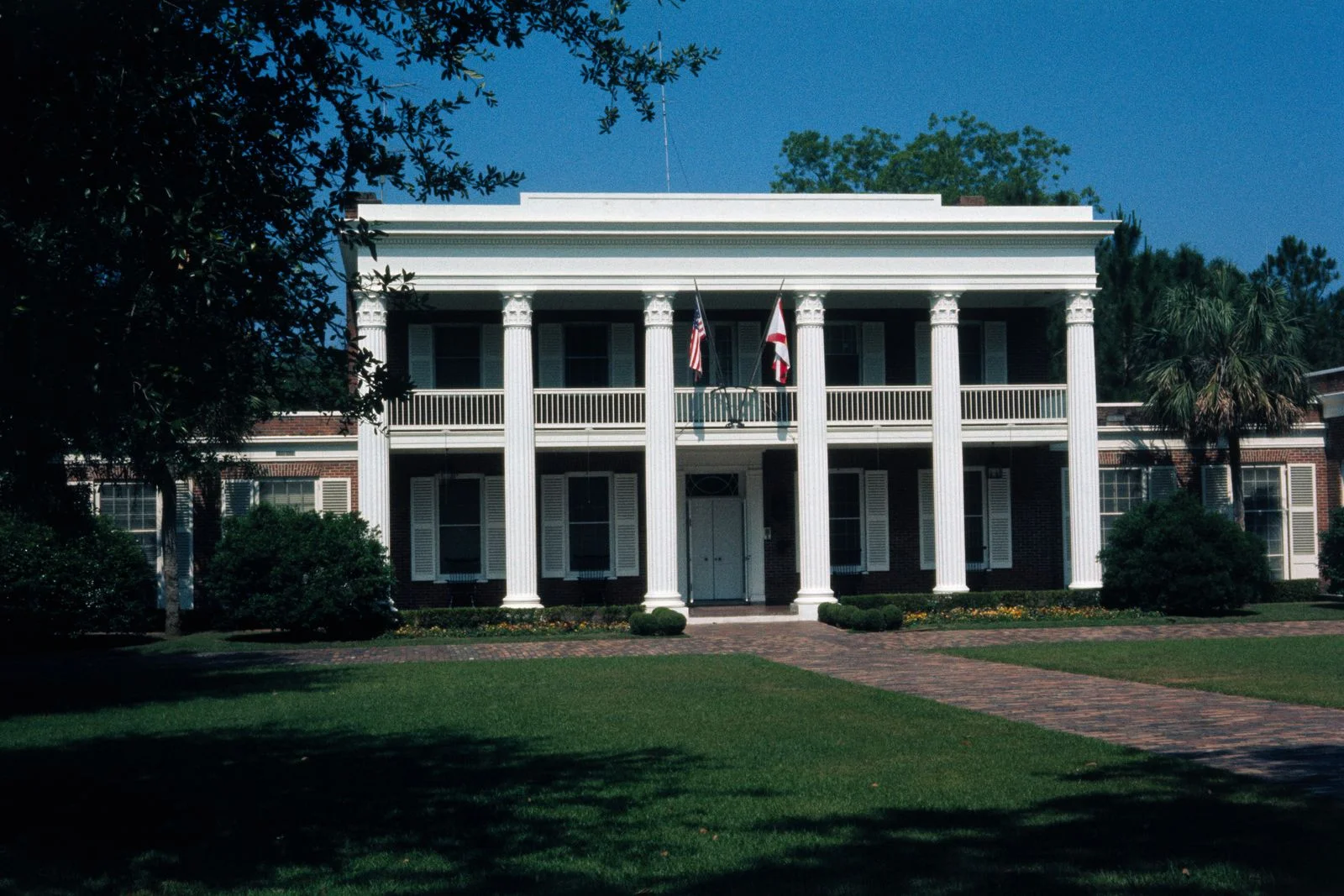
Republican Byron Donalds is Florida’s first Black governor, and the state’s Greek Revival mansion in Tallahassee will be his official residence. Completed in 1956, it stands on the site of an earlier mansion built in 1907 that had fallen into disrepair. Its features include a screened swimming pool, greenhouse, and rose garden, among other amenities.
Georgia: Keisha Lance Bottoms
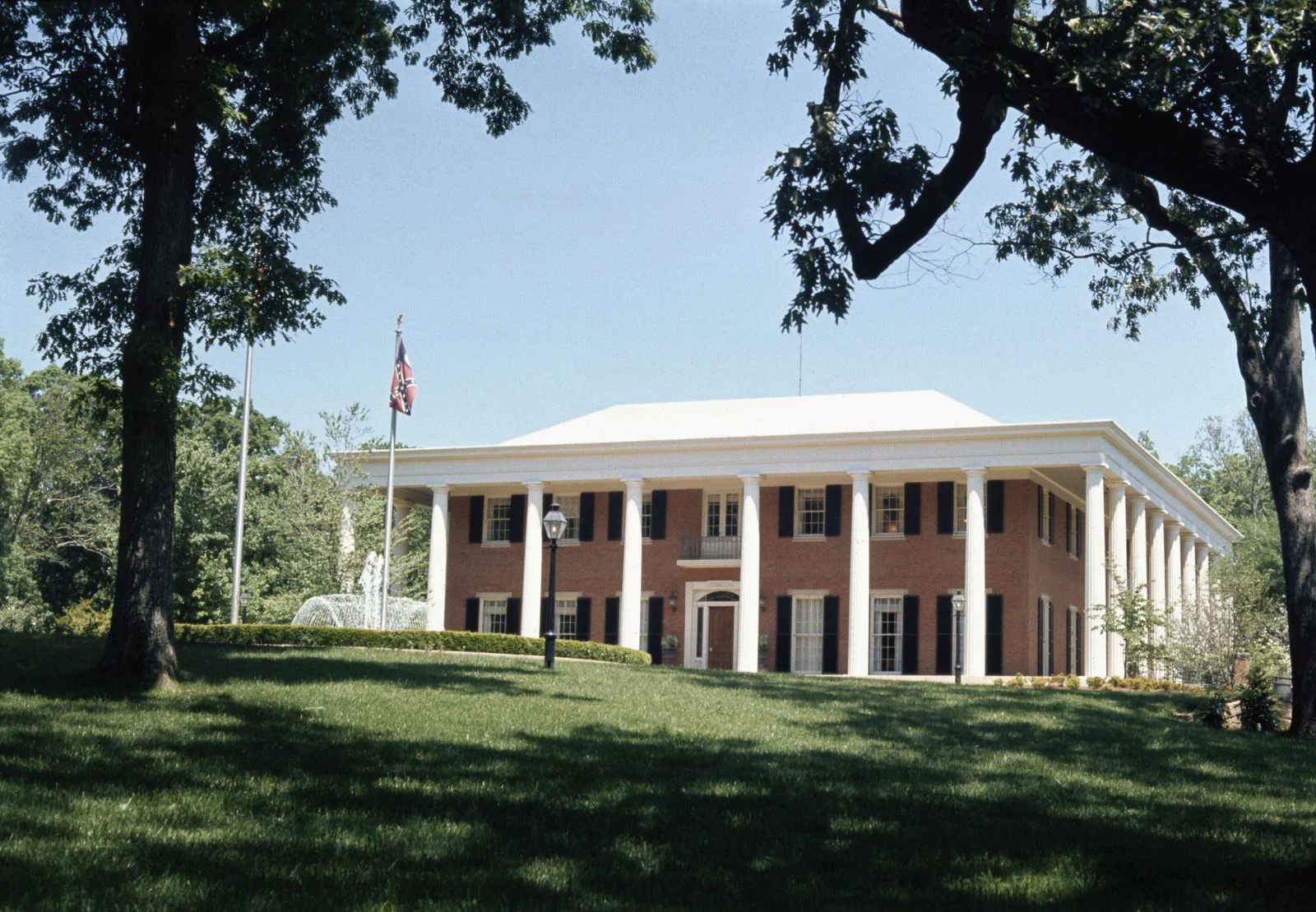
Keisha Lance Bottoms, a Democrat, is the first Black woman elected governor in the United States. Her Atlanta residence is a Greek Revival mansion designed by architect A. Thomas Bradbury and built in 1967. The three-level house has 30 rooms and 30,000 square feet.
Iowa: Rob Sand
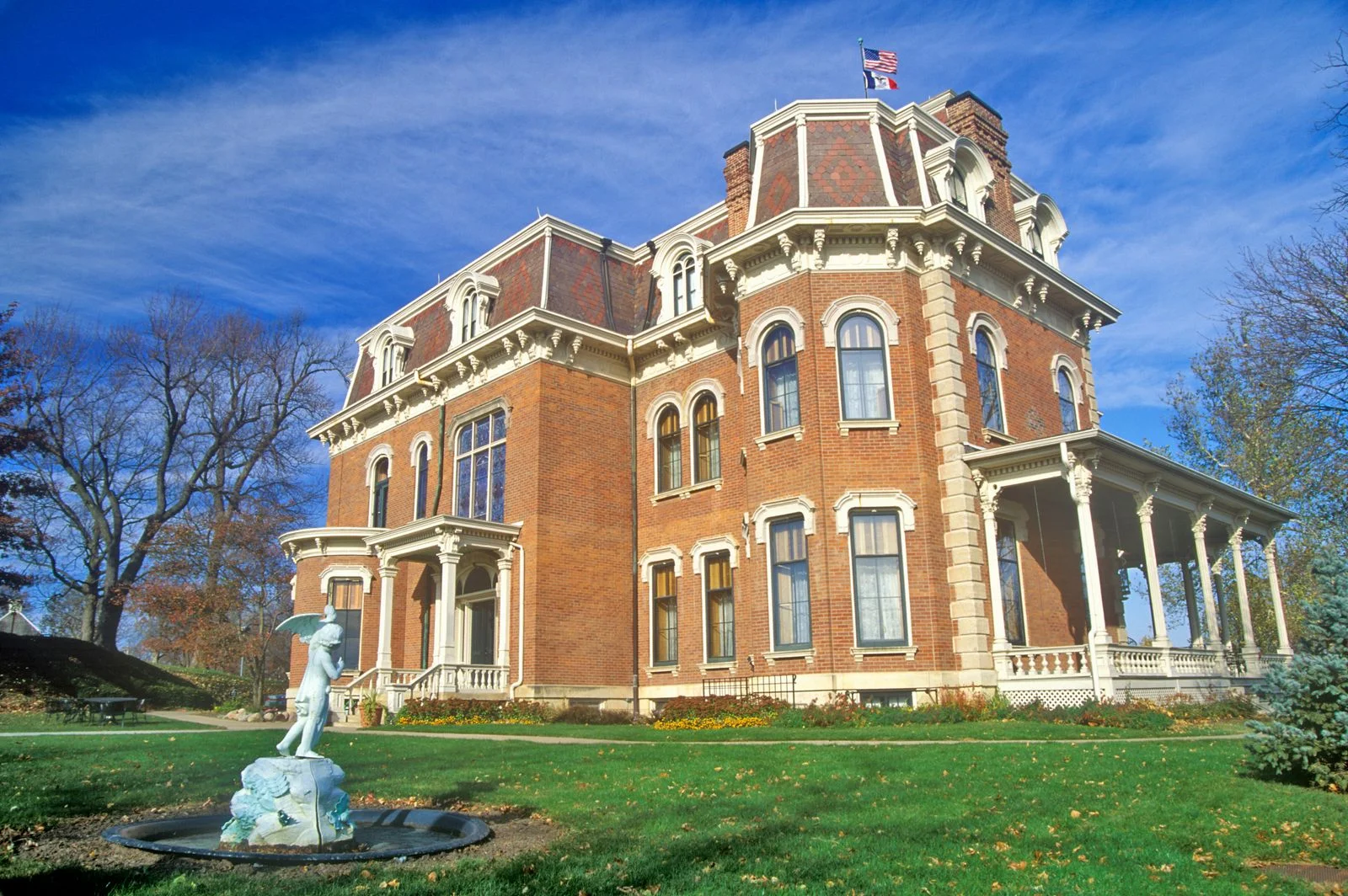
Democrat Rob Sand is expected to live at Terrace Hill, Iowa’s governor’s mansion in Des Moines. Dating to 1869, the 18,000-square-foot Second Empire residence has housed the state’s governors since 1976. The first two floors also serve as a museum and event space, giving the property a public role alongside its private one.
Maine: Hannah Pingree
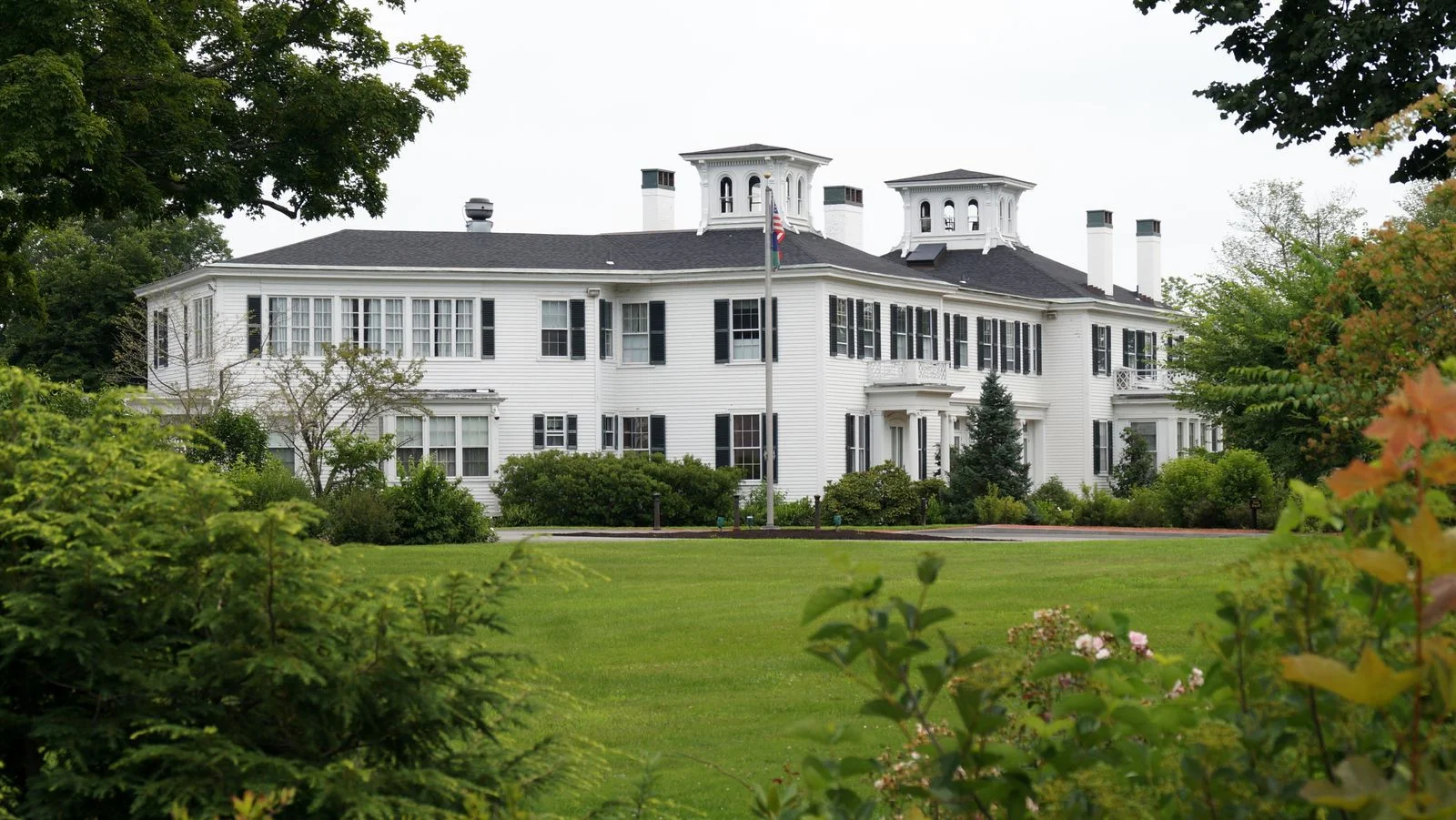
Maine: Hannah Pingree
Hannah Pingree’s move to Augusta puts her in a residence with nearly two centuries of history. Built in 1833 in Federal and Greek Revival styles, the Blaine House became Maine’s official governor’s home in 1919, after renovations gave it a more Colonial appearance. Its 28 rooms span two floors and include a billiards room; outside are a formal garden and tennis court.
Michigan: Jocelyn Benson
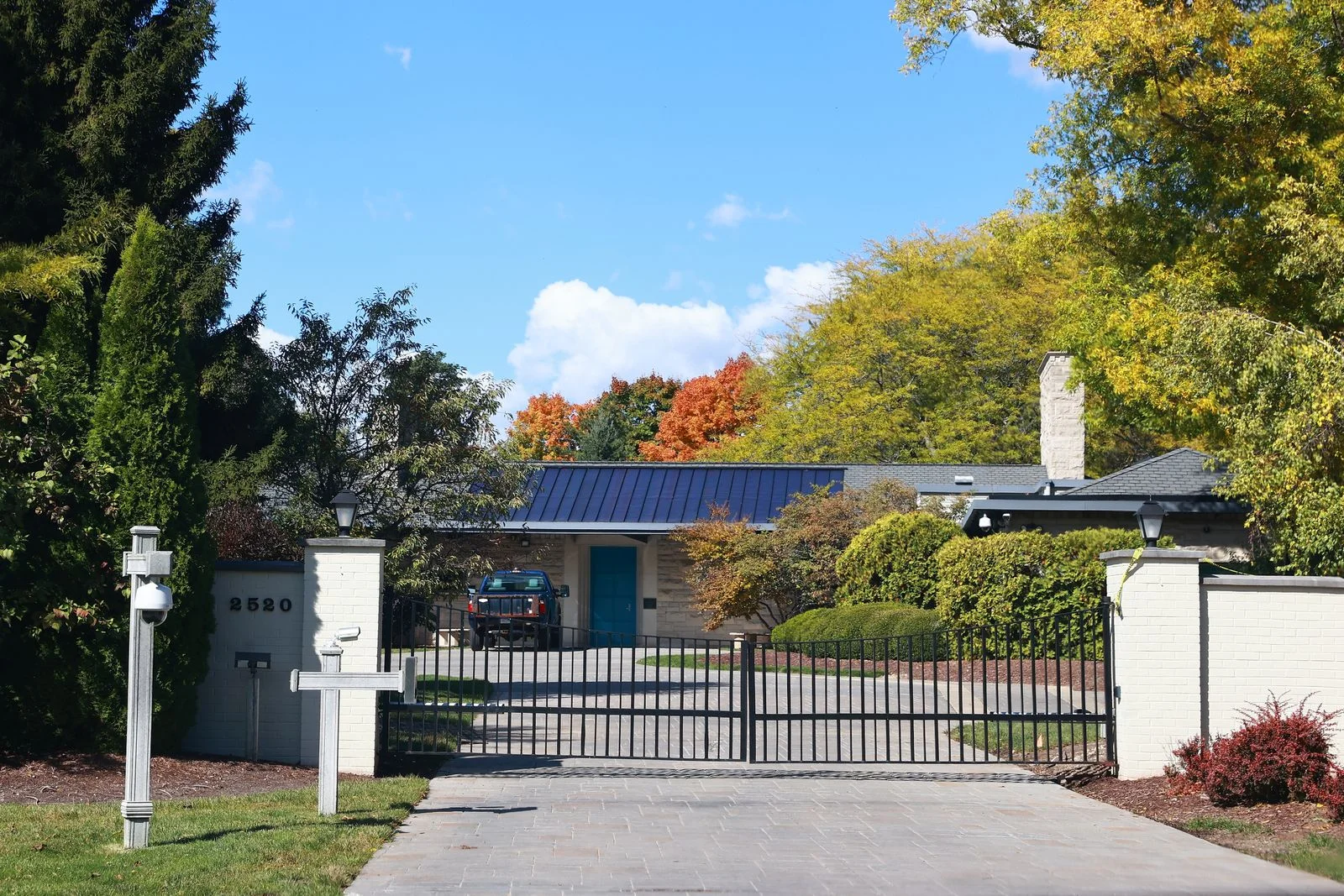
Michigan offers Jocelyn Benson two official residences: a home in Lansing and a summer mansion on Mackinac Island. The Lansing house, built in 1957, is an 8,700-square-foot ranch with five bedrooms and four bathrooms. The island residence dates to 1901 and wears an Arts and Crafts style. That two-house arrangement is unusual; it also means the state’s executive residence is split between the capital and a seasonal retreat.
Minnesota: Amy Klobuchar
Amy Klobuchar, a U.S. senator who won Minnesota’s gubernatorial election, is set to move into a 16,000-square-foot St. Paul residence built in 1912. William Channing Whitney designed the stone-and-brick house in English Tudor and Beaux-Arts styles. The scale is striking: seven bedrooms, 10 bathrooms and nine fireplaces.
Nevada: Aaron Ford
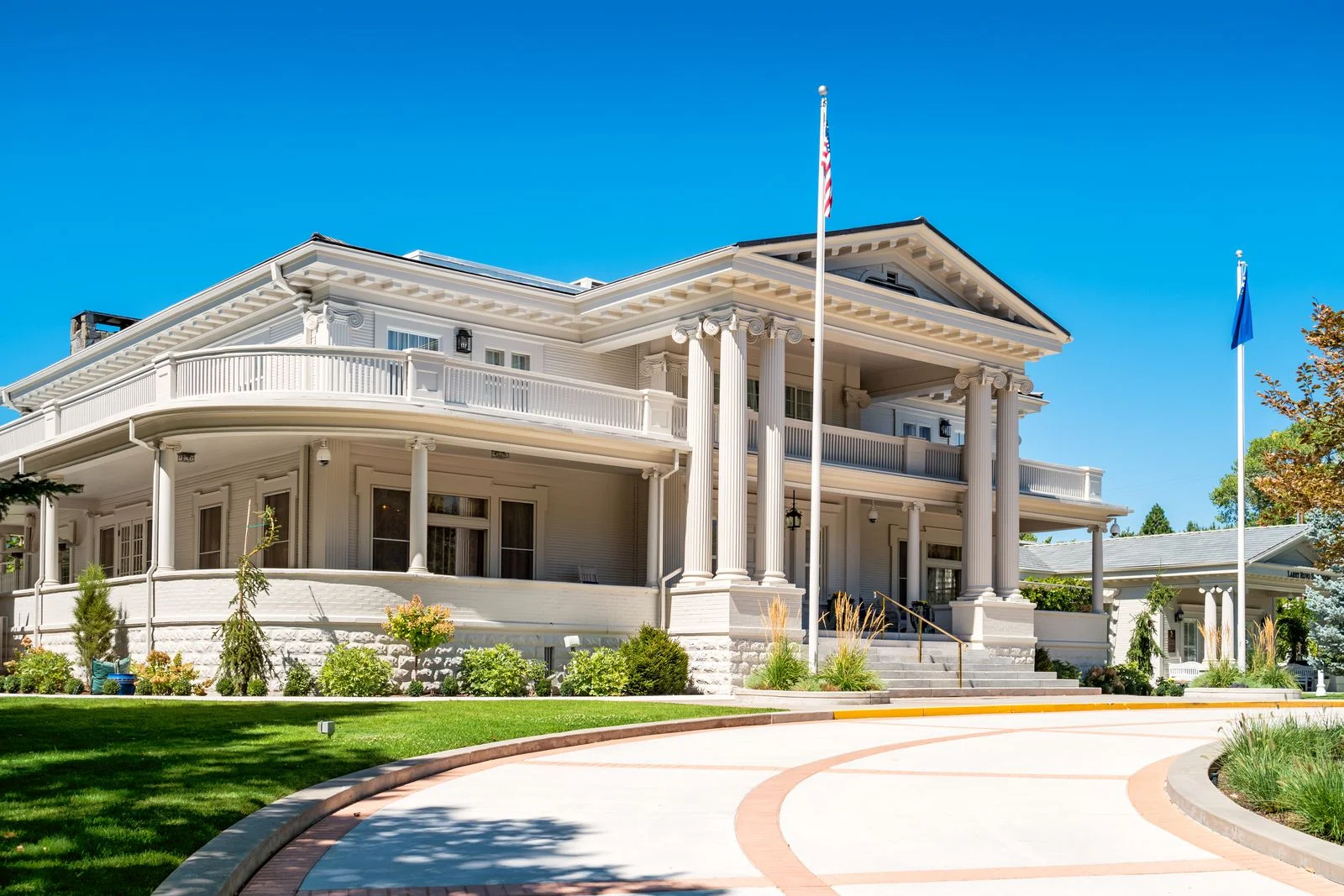
Aaron Ford, Nevada’s first Black governor, will live in Carson City’s Classical Revival mansion, designed by George A. Ferris in 1909. The house combines private quarters with formal rooms: an entrance hall, reception room, state dining room, governor’s study and luncheon room. The list points to a building designed for public duties as much as domestic life.
New Mexico: Deb Haaland
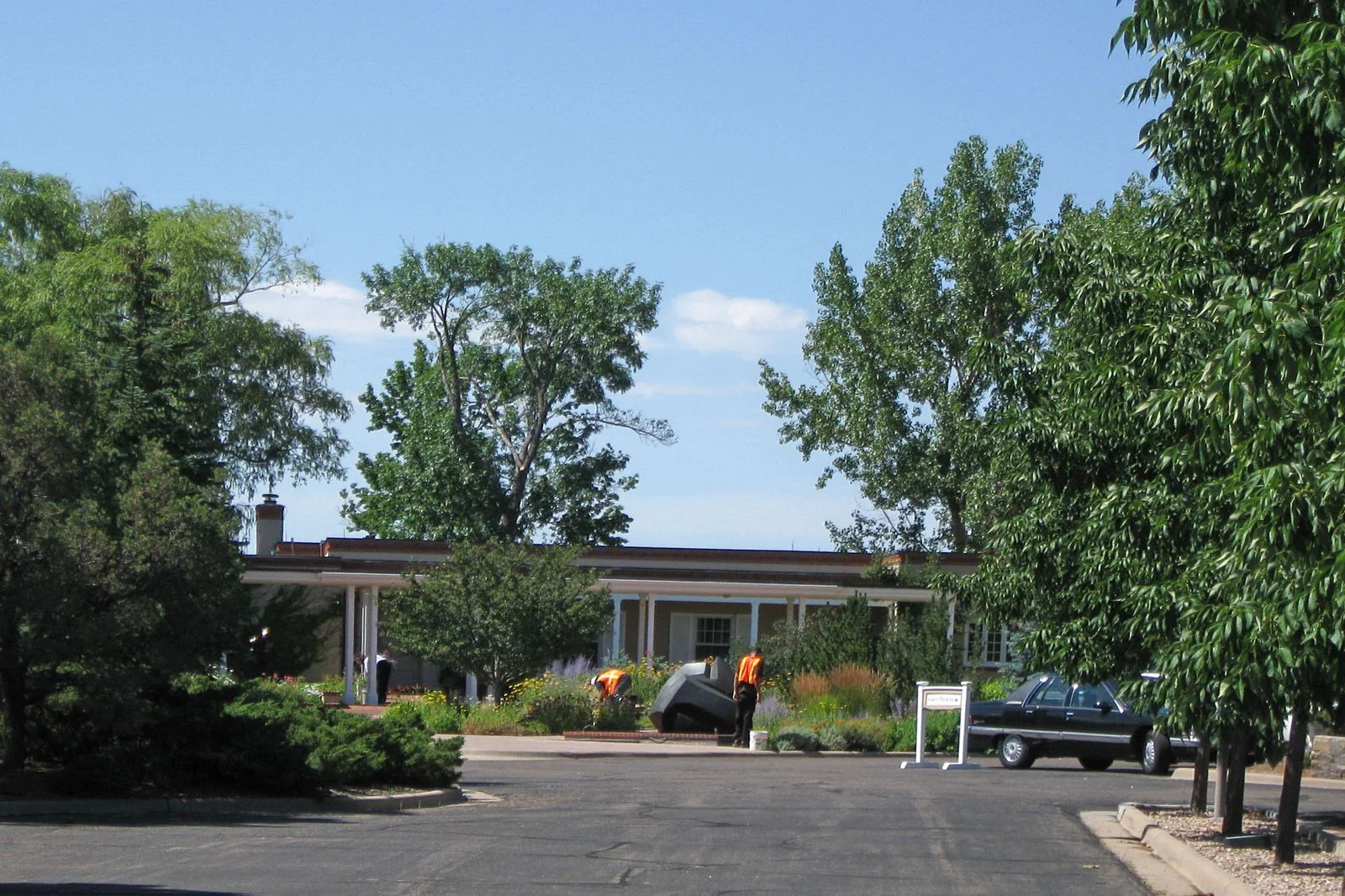
Deb Haaland, the governor-elect, is the first Native American woman to hold the office. Her Santa Fe residence is known as The People’s House. W.C. Kruger designed the midcentury-modern building, completed in 1955.
Ohio: Amy Acton
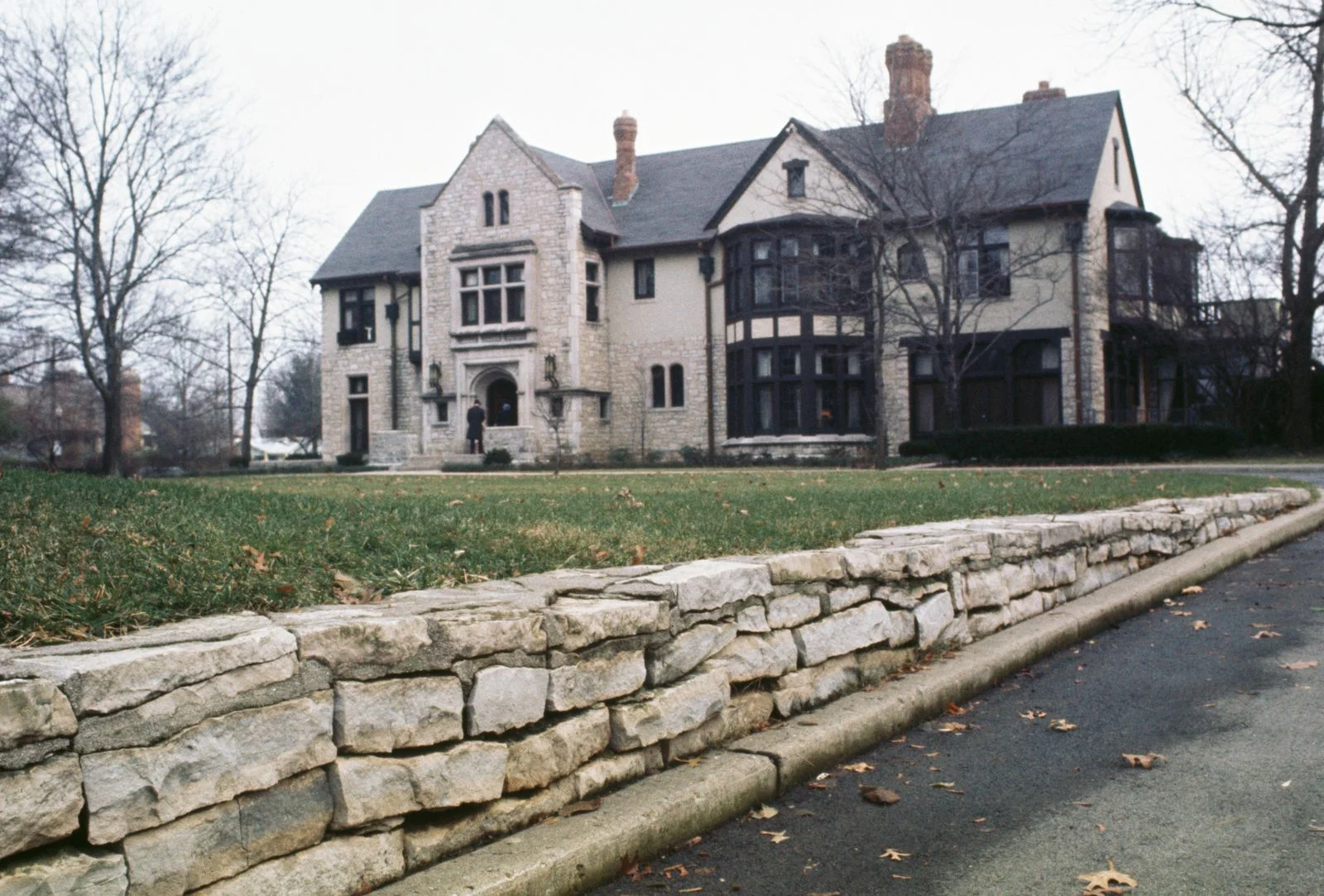
Amy Acton’s next address is a 1925 Tudor-style mansion in Bexley, just outside Columbus, designed by Robert Gilmore Hanford. Its grounds cover three acres and include extensive gardens and a “Storybook Trail” inspired by The Tales of Peter Rabbit. For a governor’s residence, that detail feels unusually public-facing. The Tudor house sits in a residential suburb, but its landscape offers a distinct attraction.
Oklahoma: Mike Mazzei
Republican governor-elect Mike Mazzei will take up residence in Tulsa in a 14,000-square-foot Dutch Colonial built in 1928. Its limestone façade echoes the State Capitol, two blocks away. The grounds are less conventional: there’s a swimming pool shaped like Oklahoma, an outdoor kitchen and a tennis court on the former helipad where President Lyndon B. Johnson landed in 1964. That mix of domestic amenities and political history gives the property a character beyond its size. More on the residence.
Rhode Island: Helena Buonanno Foulkes
Rhode Island has no official governor’s mansion, so Helena Foulkes may remain in her current home. She owns two properties: an eight-bedroom summer house in Narragansett valued at $3.8 million and a three-bedroom Providence home valued at $2.3 million. Here, the absence of a state residence makes the governor’s personal housing unusually visible.
South Carolina: Alan Wilson
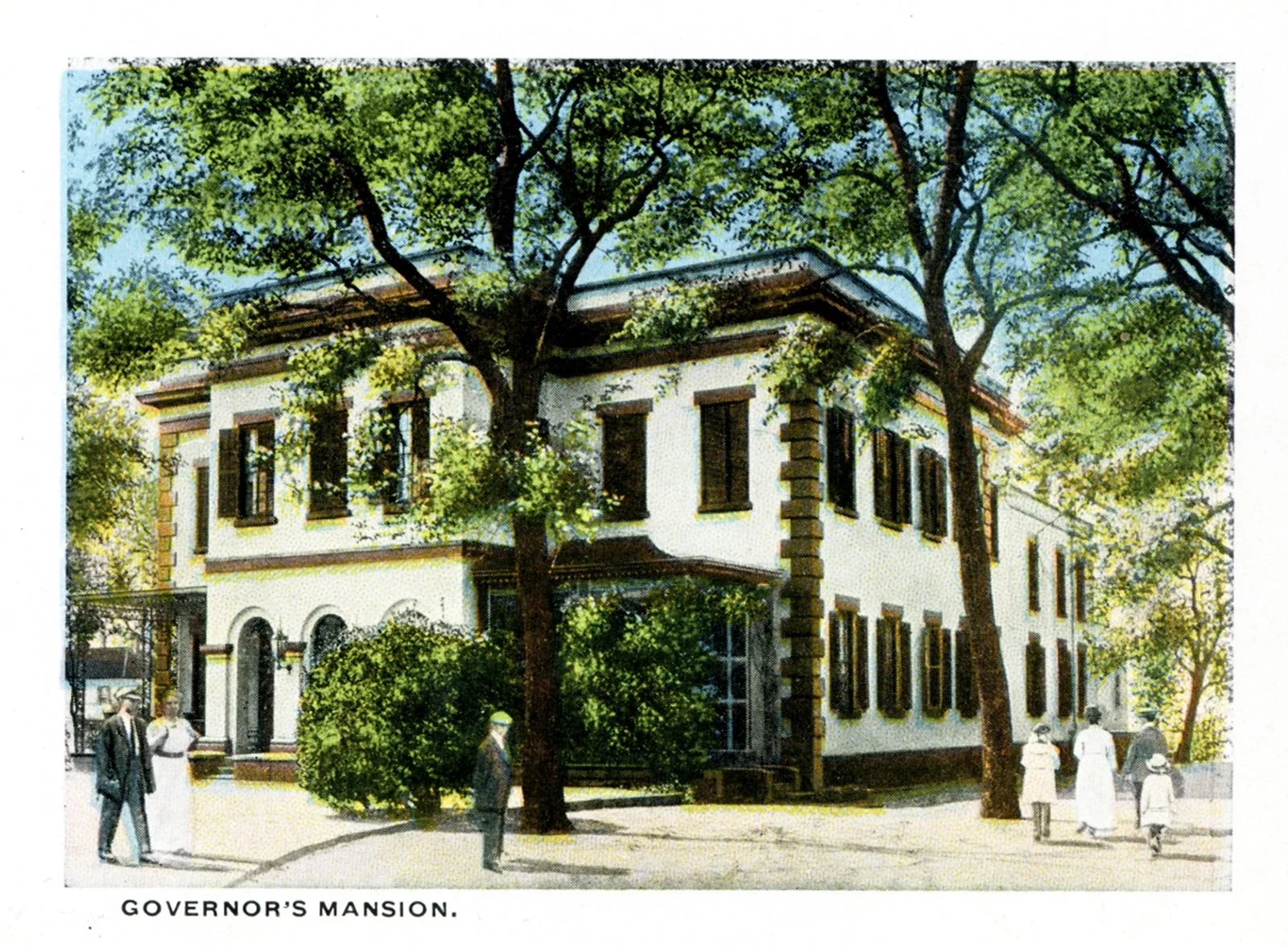
Alan Wilson’s next home is a two-story Federal-style mansion in Columbia that dates to 1855. It first served as officers’ quarters for a military academy and became the governor’s residence in 1868, three years after the Civil War ended. A central hall connects two drawing rooms, a state dining room and a library; the private quarters are upstairs. The layout still reflects the house’s dual role as a home and a place for official entertaining.
Tennessee: Marsha Blackburn
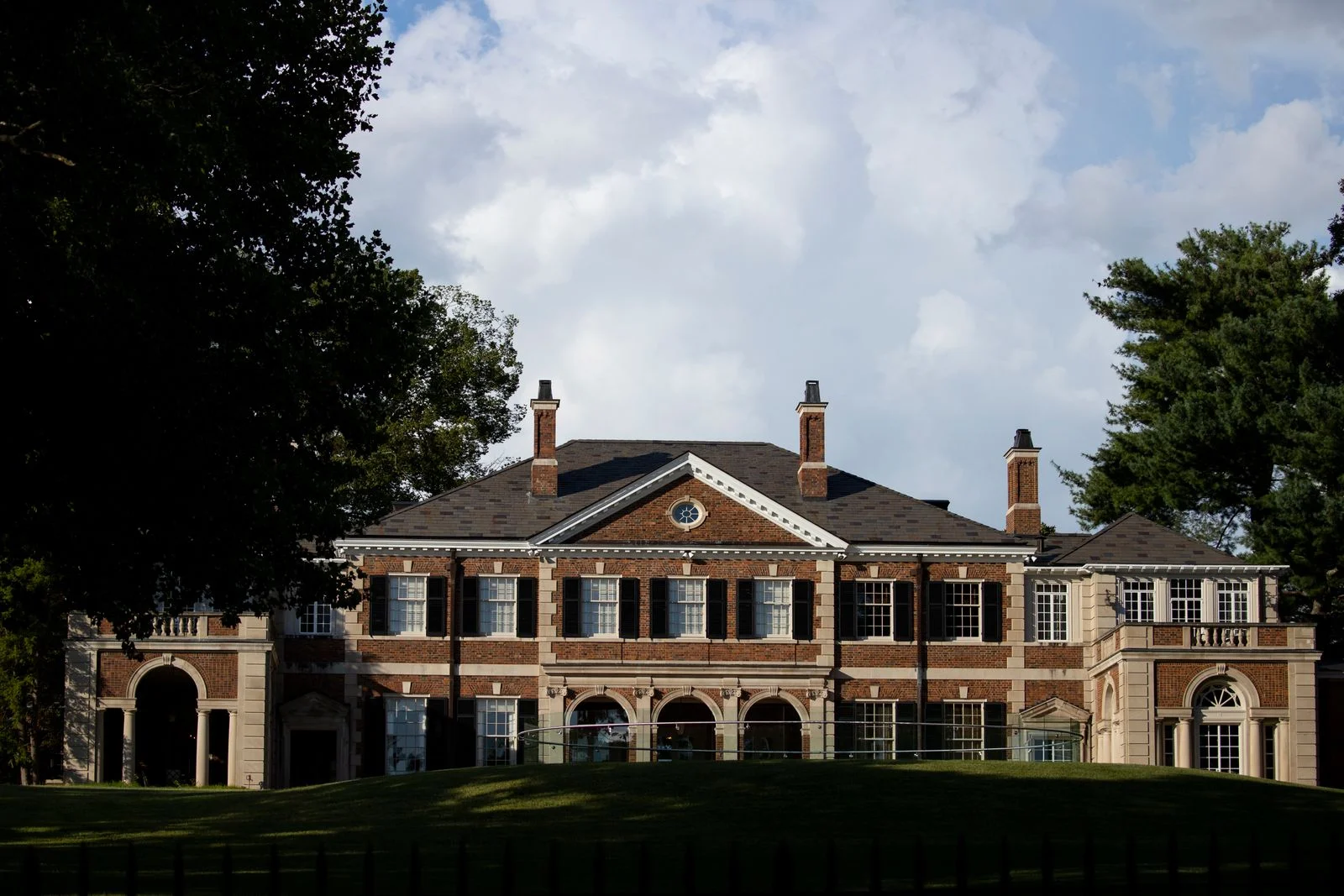
Marsha Blackburn can move to Far Hills, a 10-acre estate in Nashville’s Oak Hill suburb. The Georgian-style mansion was built in 1931 and has served as Tennessee’s official governor’s residence since 1949. The property’s setting is part of its identity: Far Hills takes its name from the surrounding views.
Texas: Gina Hinojosa
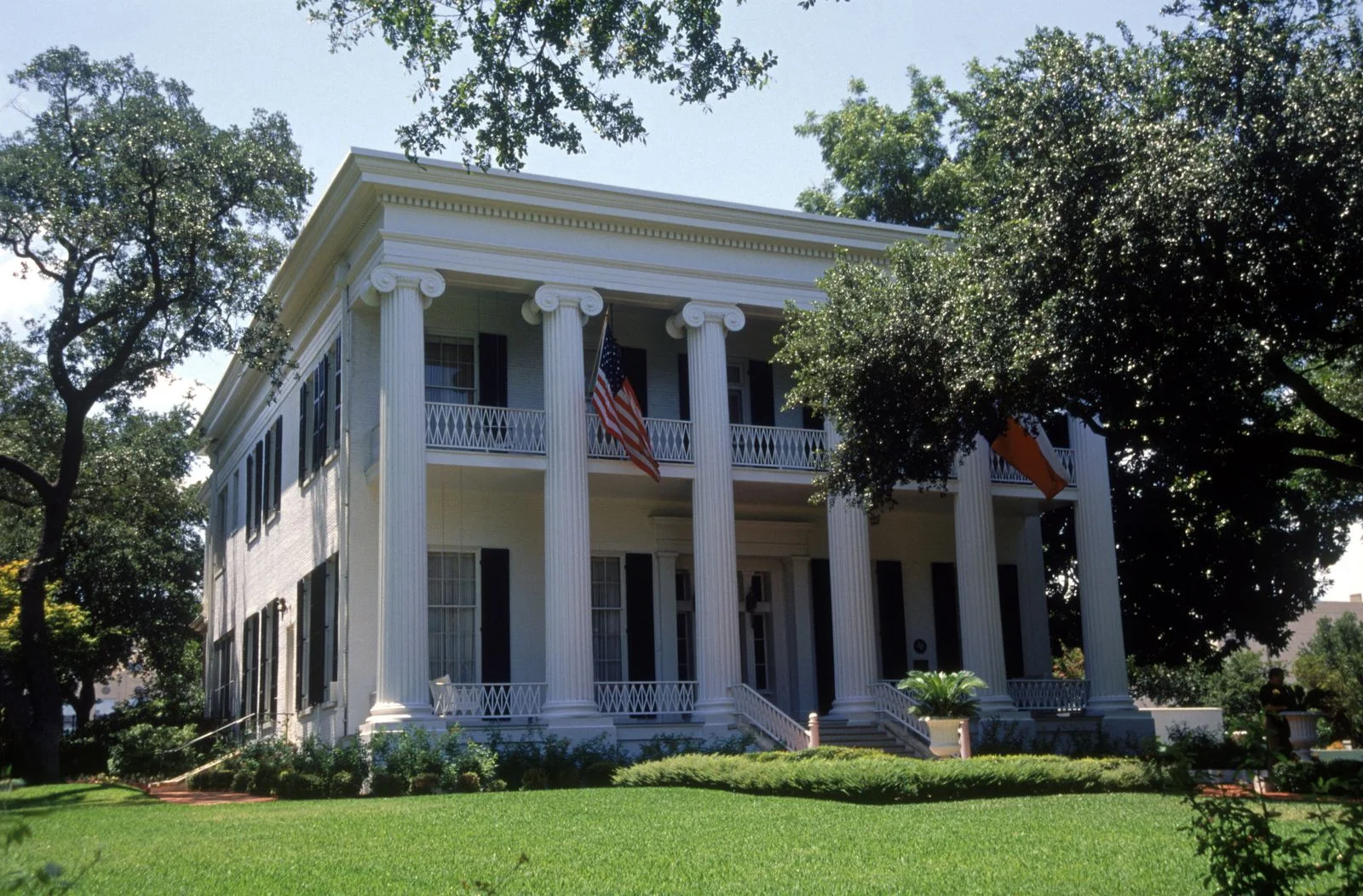
Gina Hinojosa will be the first Latina governor of Texas. Her official residence is a nearly 10,000-square-foot Greek Revival mansion in Austin, built in 1856. It has housed the state’s governors ever since, making it one of the older continuously used executive homes in the country.
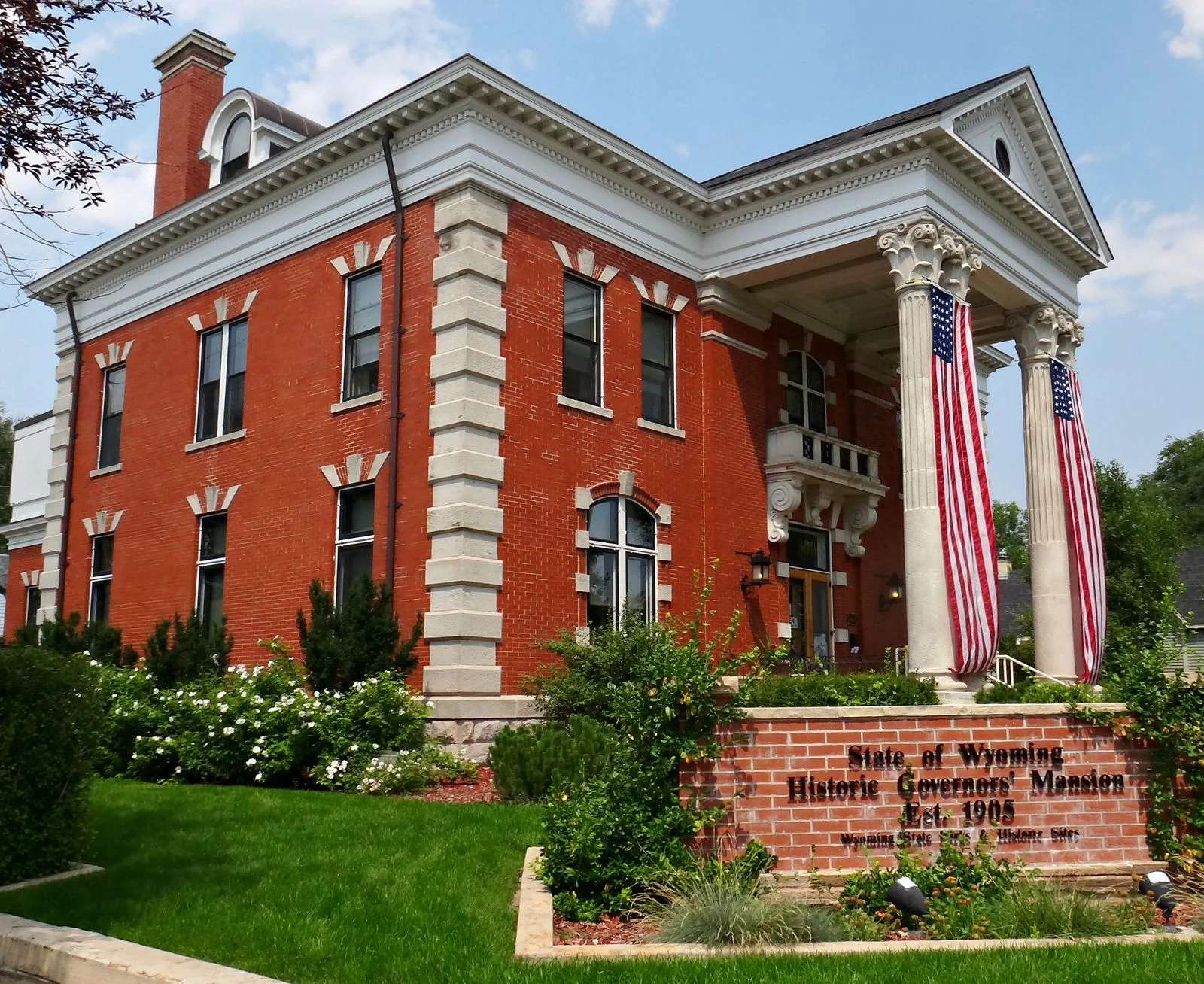
David Crowley’s win makes him Wisconsin’s first Black governor, but the state’s executive residence offers a strikingly traditional setting. The Madison residence is a Classical Revival mansion completed in 1928. Across three floors, it has 16,000 square feet of living space, with seven bedrooms, 13 bathrooms, seven fireplaces and 10 gardens.Wyoming: Eric Barlow
Discussion
Sign in to join the discussion.