From Hicksville to Centre Island and Oyster Bay, Billy Joel’s New York homes reflect his career, roots and enduring connection to home.
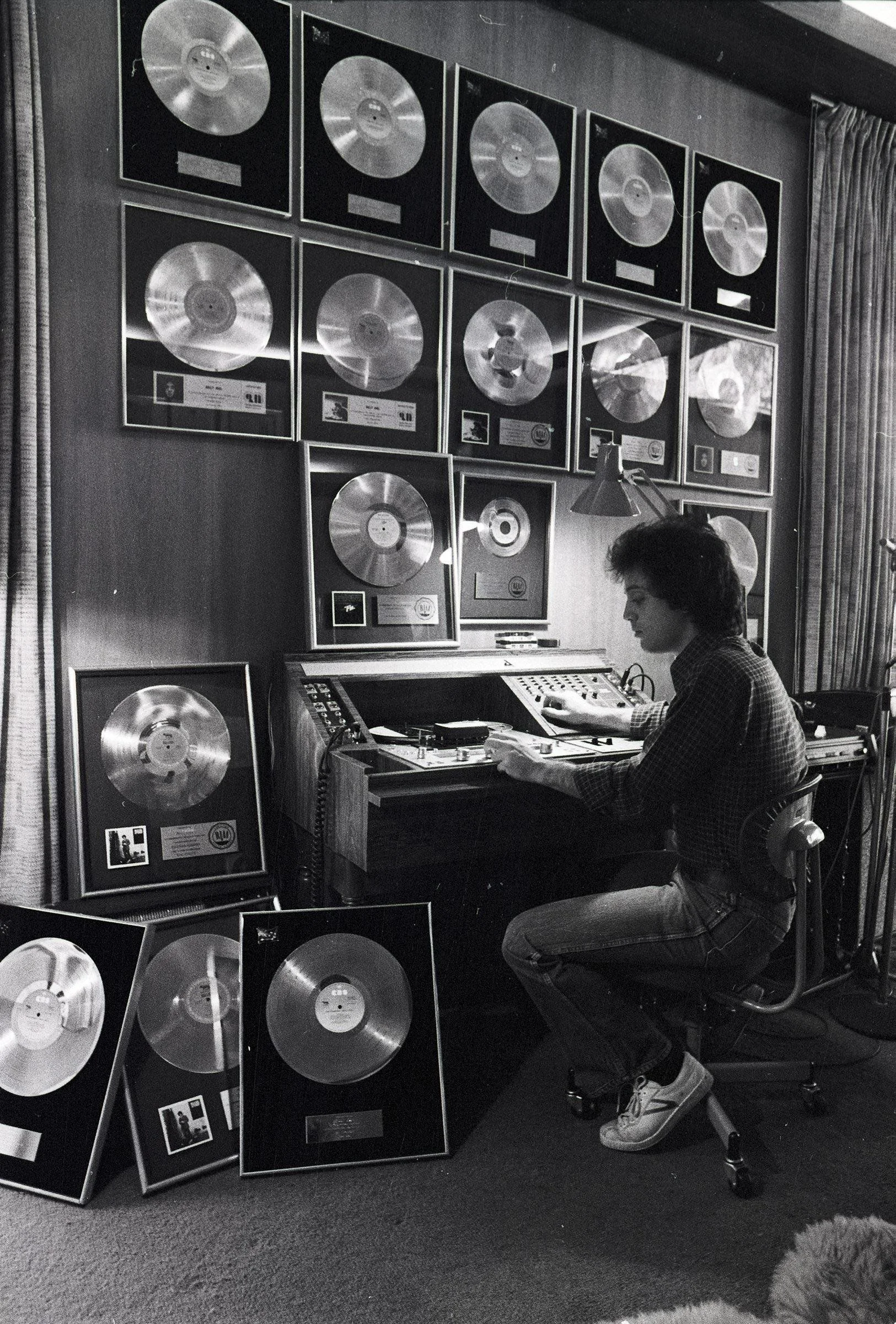
For Billy Joel, home has always meant New York. That attachment shaped his music, but it also gives his homes a different meaning: they trace a career that took him from a cash-strapped childhood to the waterfront properties he once could only look up at.
Joel was born in the Bronx and raised in Hicksville, a middle-class suburb in Nassau County. Money was tight. Childhood friend and fellow musician Jon Small recalled in the 2025 HBO documentary Billy Joel: And So It Goes that Joel could barely afford a pack of cigarettes. His mother, Rosalind, nevertheless insisted he keep taking piano lessons. His sister Judy said she believed his talent needed nurturing and that he would become something someday.
Before fame, Joel worked on an oyster boat and gazed up at a Centre Island mansion he called MiddleSea. He later bought the property. “It’s not finished yet,” he said in the documentary. “And neither am I.” That line captures more than a real estate milestone: the house connects his early sense of distance from wealth with the success he eventually achieved.
Joel’s route home ran through Los Angeles. He moved there in the early 1970s, signed with Columbia Records in 1973, and returned to New York after three years. On the bus back, the autumn colors along the Hudson reminded him of the New York he loved as a child. He began writing a song about that feeling. It became “New York State of Mind,” one of his best-known songs.
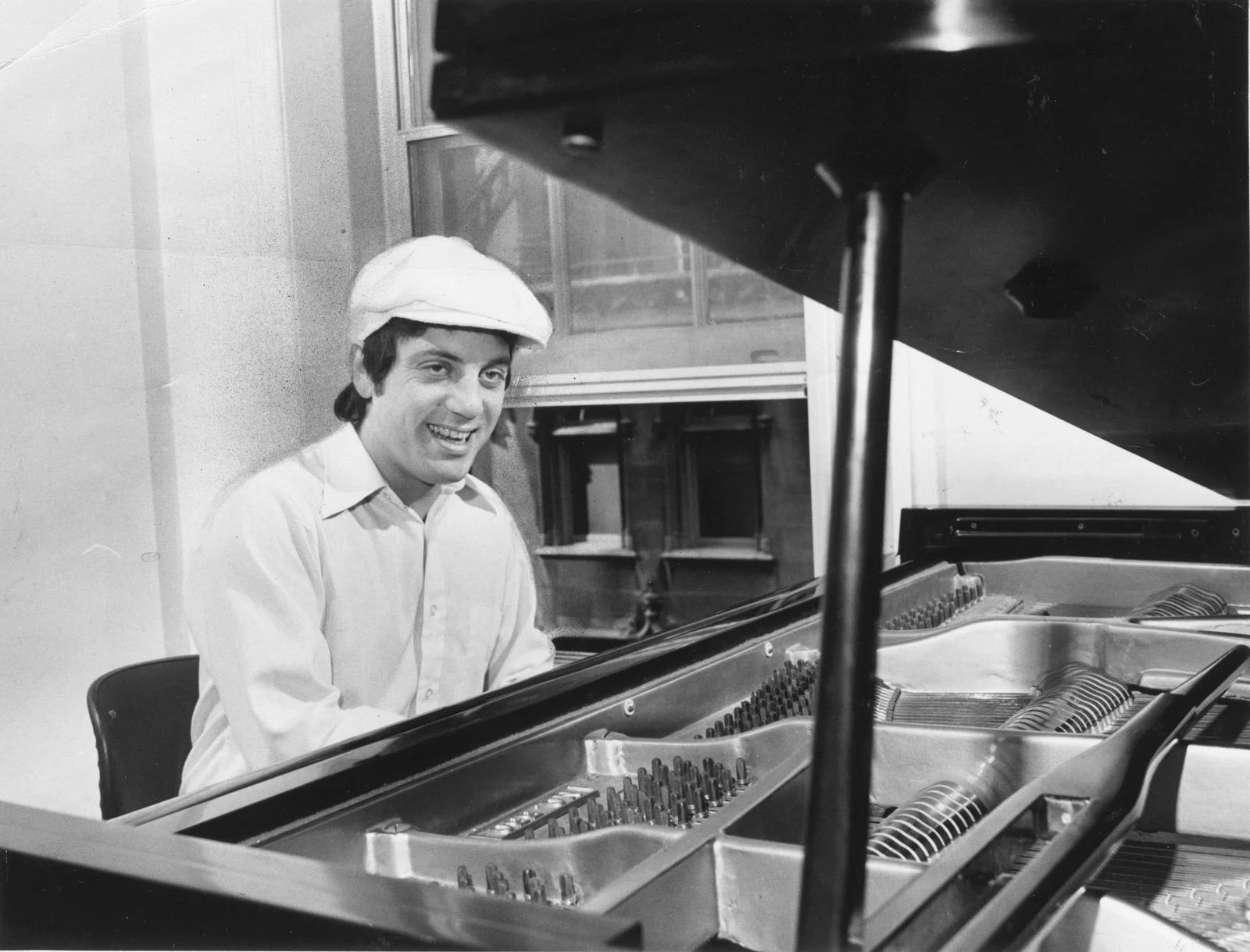
Success, measured at home
The Stranger, Joel’s fifth studio album, became a major success in 1977. But his comments to Playboy a few years later suggest that wealth wasn’t the measure he cared most about. He dismissed the talk of Peter Frampton’s mansion and Rolls-Royces, saying the real question was whether the music was any good. Four motorcycles amused him; beyond that, he said, he didn’t want to go.
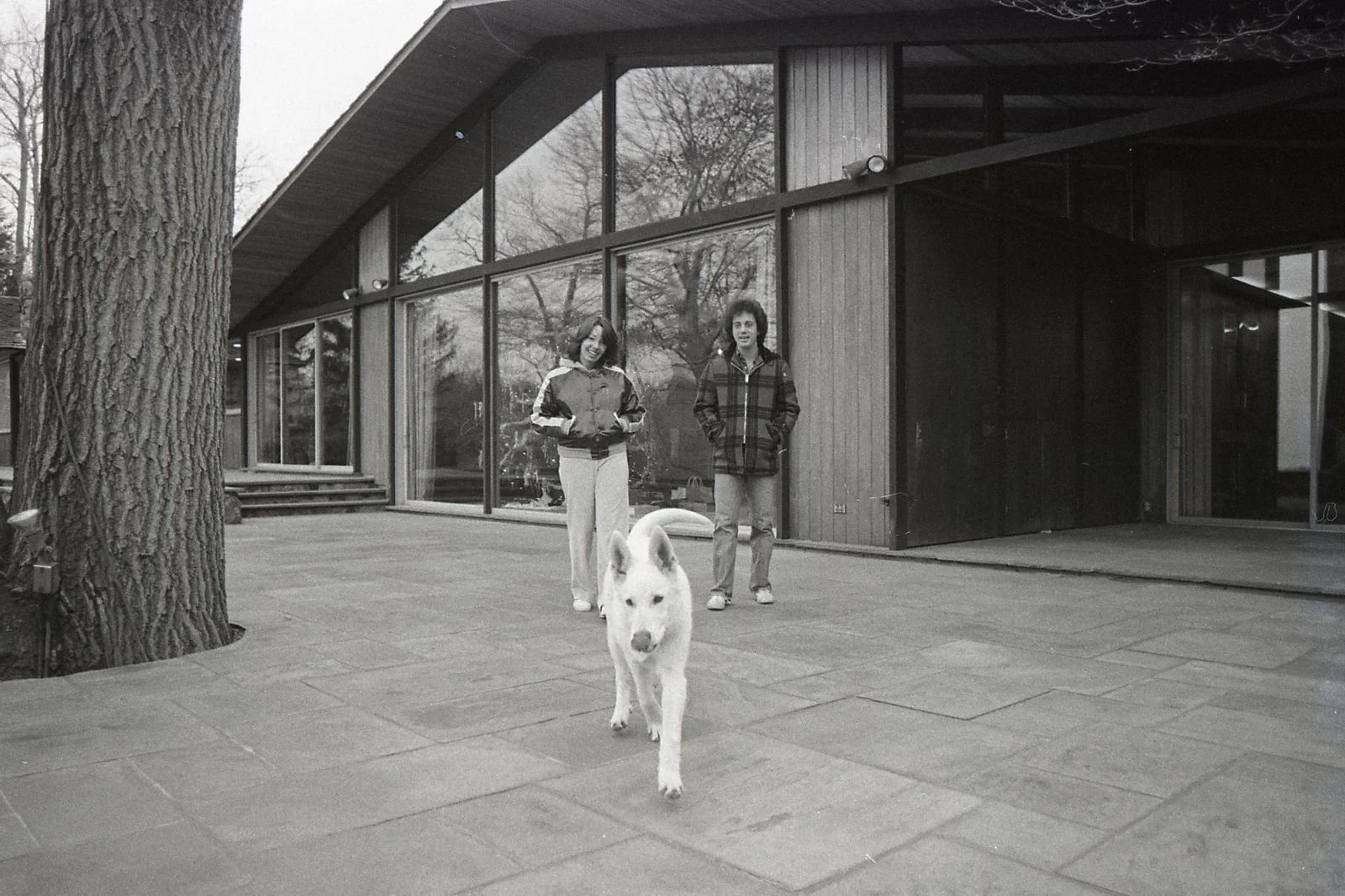
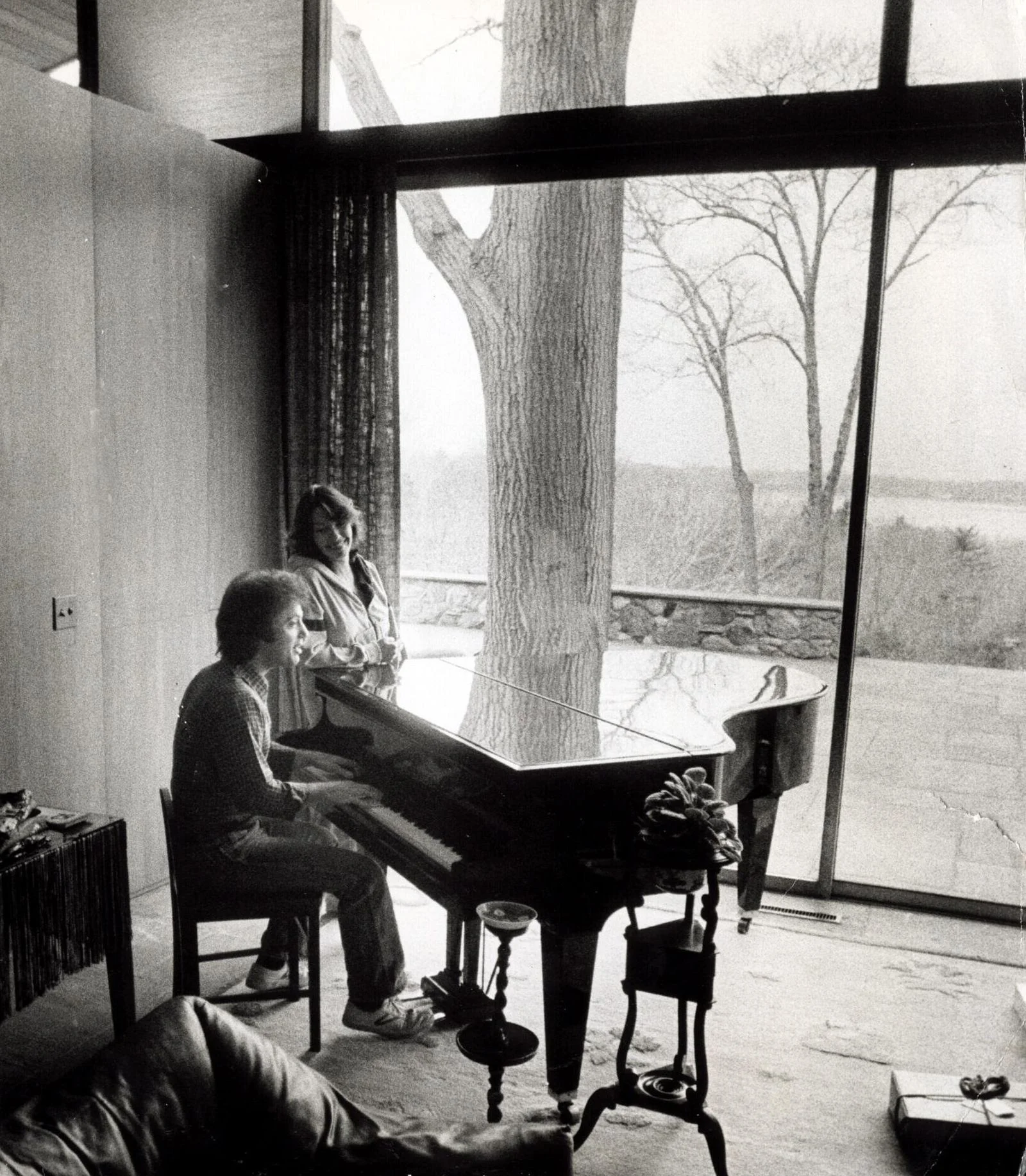
His own home reflected that restraint—or at least a version of it. Joel told Playboy that he and his wife bought a $300,000 house with a mortgage “like everybody else.” The Oyster Bay property on Long Island’s North Shore had floor-to-ceiling glass and views across Long Island Sound. On the cover of his 1980 album Glass Houses, Joel appears ready to throw a rock at it. He said the proverb about people in glass houses shouldn’t throw stones didn’t persuade him: he wanted to take the chance and throw one at his own home.
Work, marriage and money
In the 1970s, Joel asked Elizabeth Weber to manage him. He described his New York representation as Home Run, a name he said had nothing to do with baseball. Weber later recalled that Joel liked to tell a story about waking to find phones installed everywhere and cabinets in place after she took the job. Her account in the documentary was more measured: the story wasn’t quite true, she said, though it came close.
The couple divided their time between a Manhattan apartment, where they worked, and Oyster Bay, according to a 1978 Washington Post profile. When the marriage ended, Weber stopped managing Joel and her brother Frank took over. Home Run later folded amid financial problems. Joel eventually pressed charges against Frank over funds he said had been mishandled; the parties settled, and the terms weren’t made public.
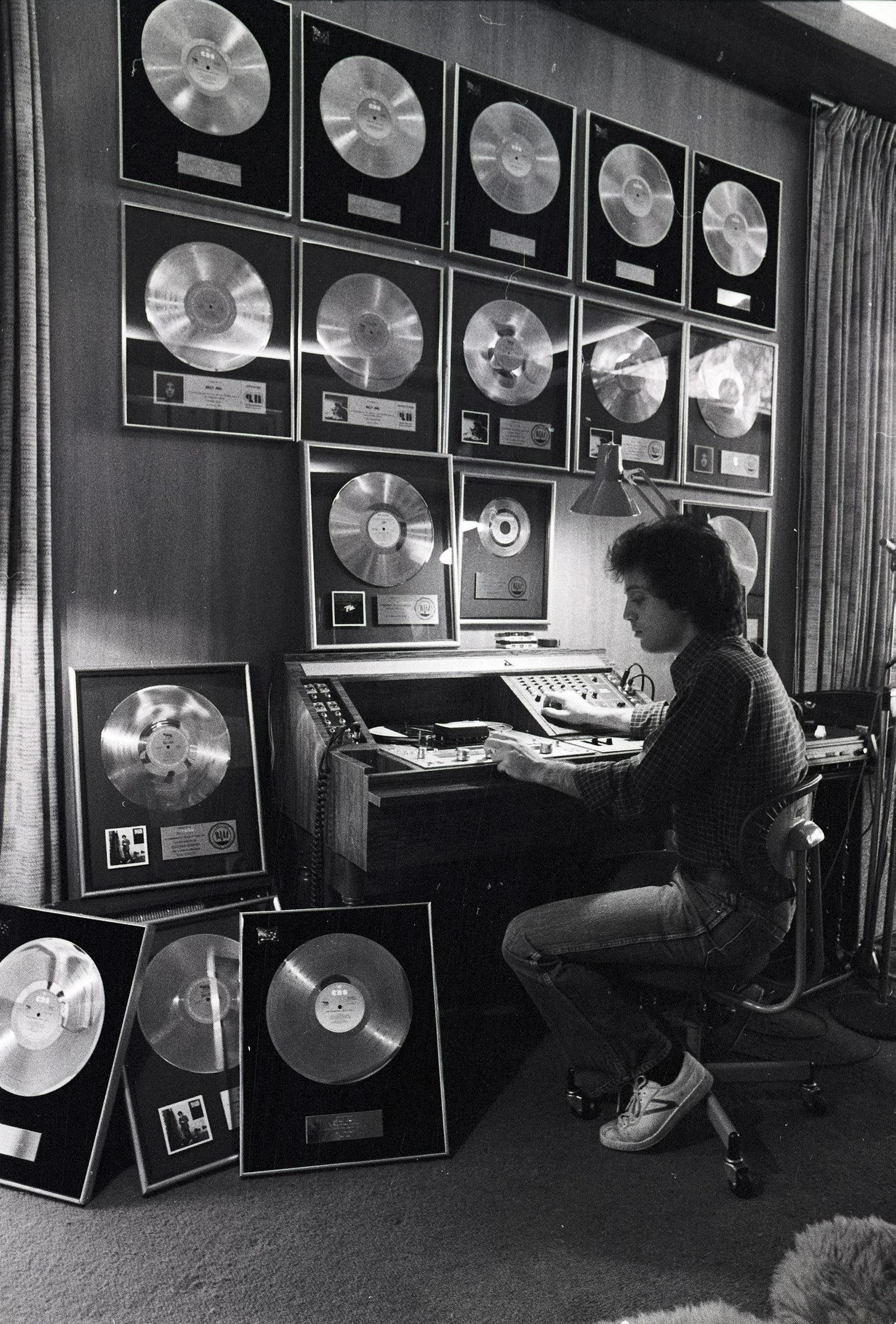
The Oyster Bay house was a midcentury-modern home near Hicksville, but the comfort of the setting didn’t mean life was settled. Joel later said his marriage was beginning to unravel around 1979, even as his records were succeeding. “Record success doesn’t translate into happiness,” he said in a later interview. He also said he hadn’t understood how much money he was bringing in. They lived well, he recalled, but he wasn’t the one going out to buy things.
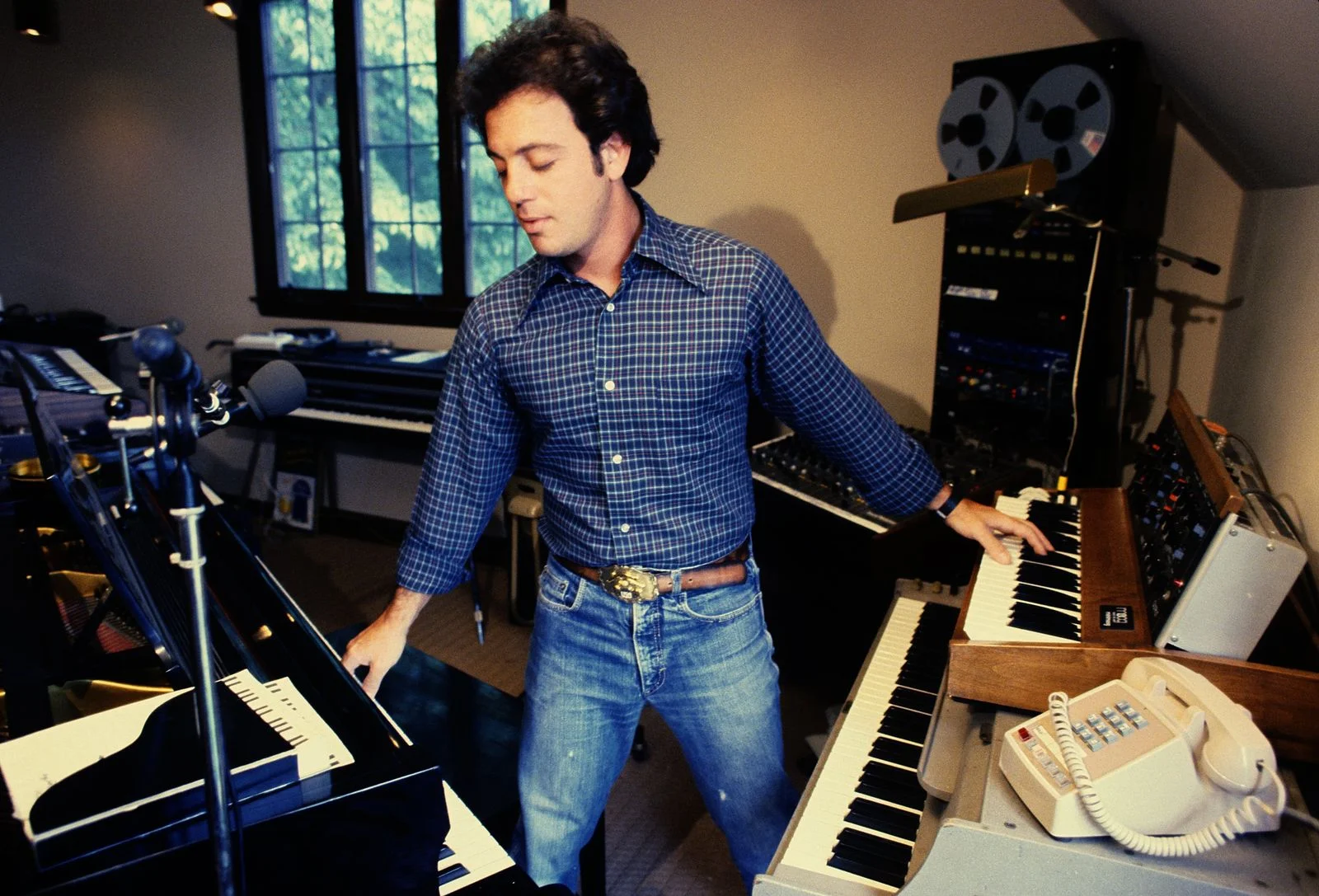
From the Executive Room to “Piano Man”
Billy Joel’s Los Angeles years mattered more than their brief span might suggest: they helped turn an unknown lounge pianist into the songwriter behind “Piano Man.” In the early 1970s, he played the now-closed Executive Room near Wilshire Boulevard and Western Avenue under the name Bill Martin. He earned tips and union scale, enough to rent an apartment in Studio City. Joel told the Los Angeles Times that he still thinks about those California days “all the time,” including the people he knew at the bar. “The weather was great; the people were nice.”
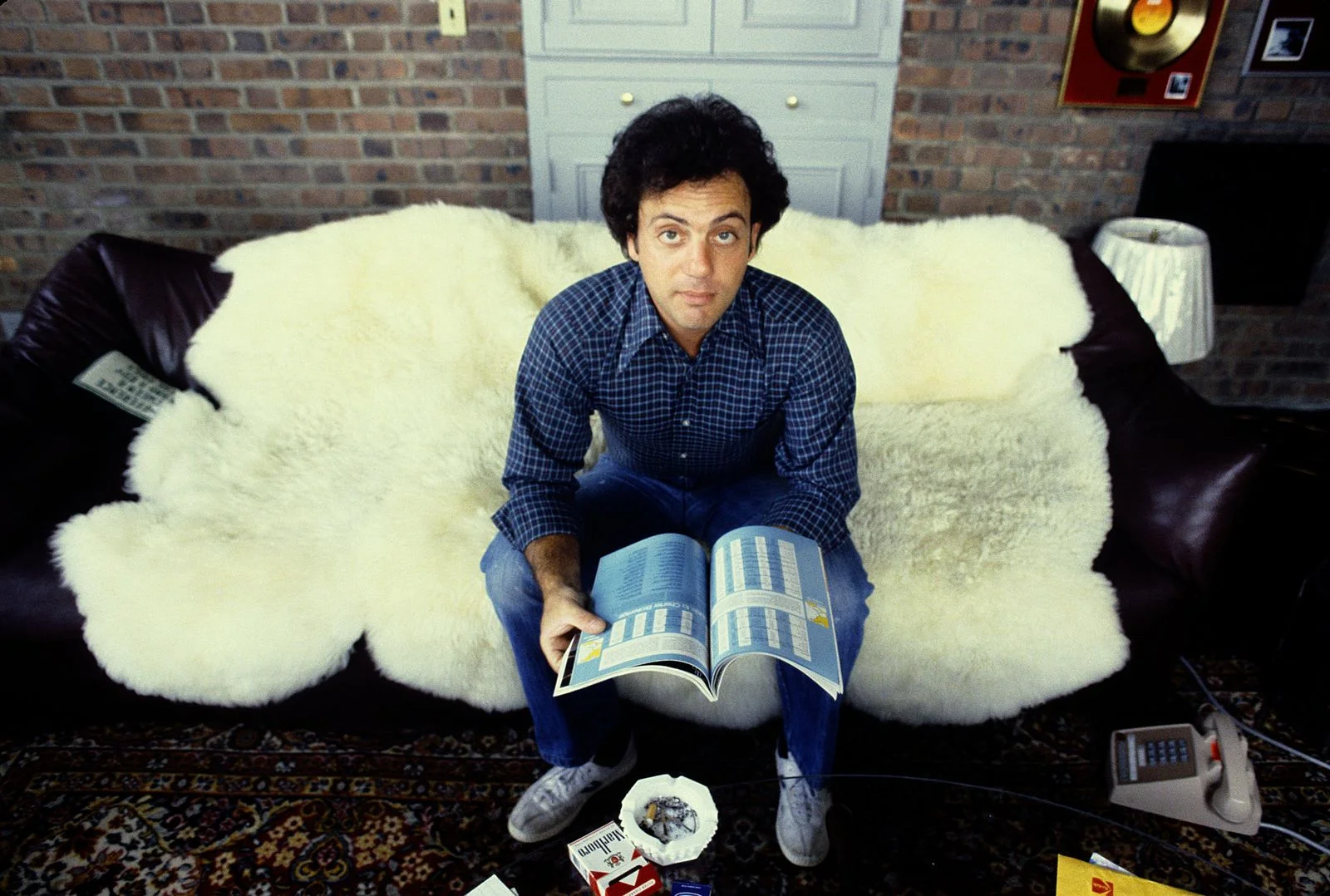
A private world, collected at home
His early Los Angeles life may have looked like a rock star’s—leather sofa, cigarettes and a landline in a 1984 photograph—but Joel later described himself to the Los Angeles Times as feeling “an exiled writer living in Paris.” The contrast says something about how he remembers the period: isolating at the time, romantic in hindsight. “I went from being an insignificant nobody to the Piano Man while I was there,” he said.
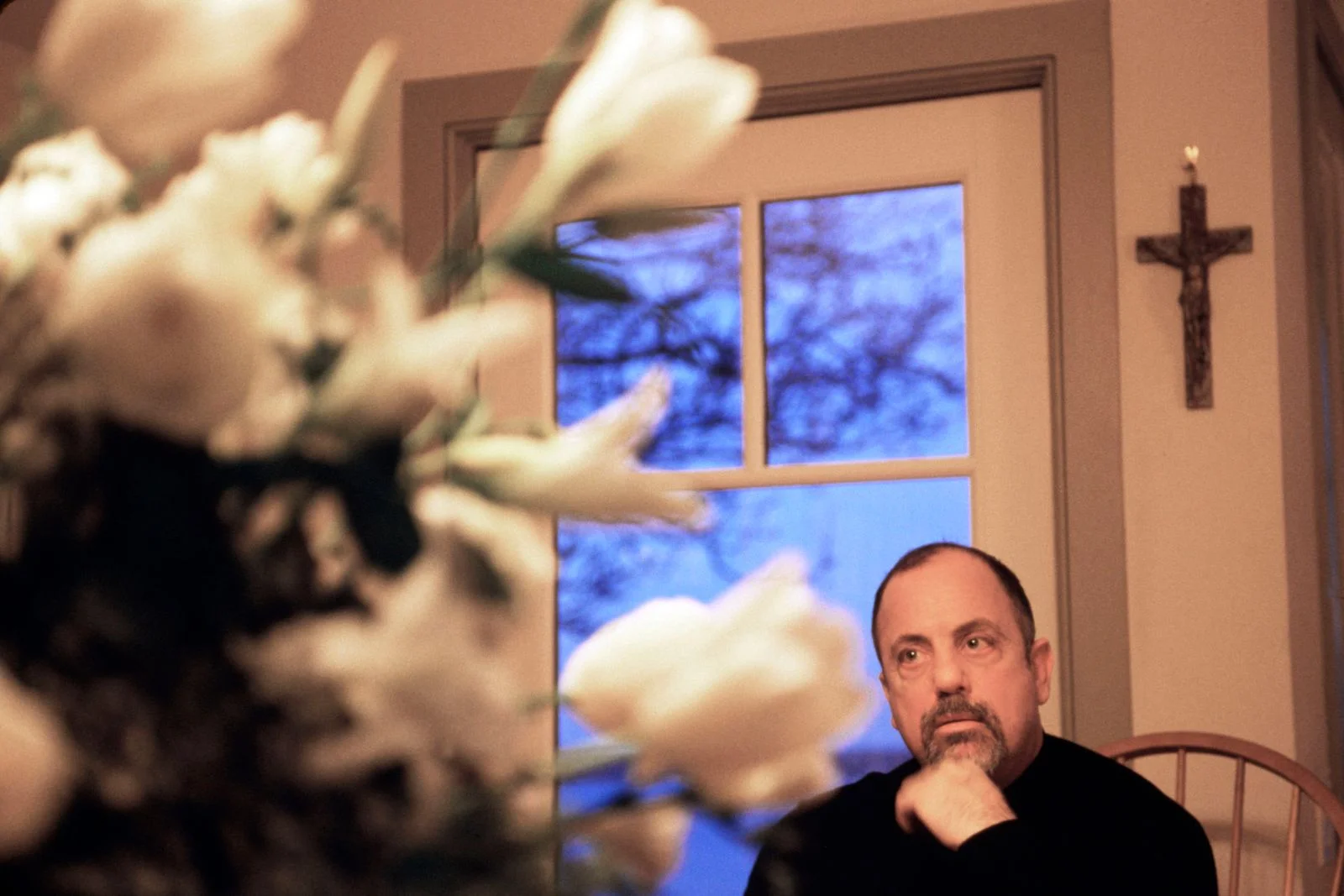
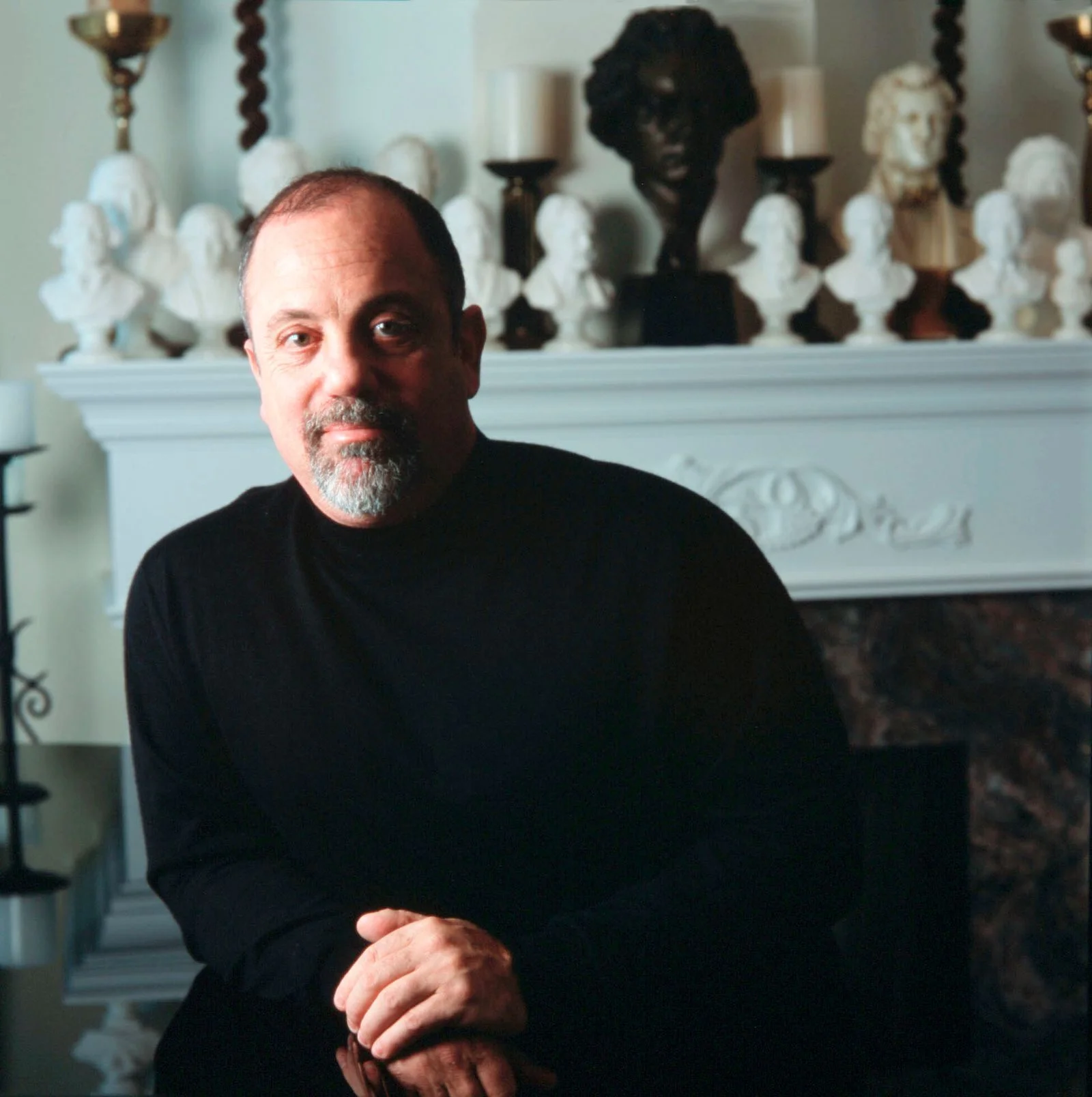
That personal sensibility carried into his Centre Island home. When The New Yorker visited in 2014, Joel described the decor as “Catholic martyrs and saints, grotesqueries.” He had decorated the house himself: a model of the Queen Mary stood in the library, while a Last Supper triptych faced the living room fireplace, with silver jugs and bowls nearby.
Homes that changed hands
Joel’s real estate history also intersects with a notable roster of buyers and sellers. He and second wife Christie Brinkley owned a 12-acre oceanfront property in Amagansett, where they raised their daughter, Alexa Ray Joel. The Long Island home later went to Jerry and Jessica Seinfeld for $32 million. As reported by The New Yorker, Joel also sold a Central Park West duplex to Sting for $5 million and a Martha’s Vineyard house to businessman Mickey Drexler. He had earlier bought a Hamptons home from Jaws actor Roy Scheider. For a broader look at Joel’s various properties, the celebrity connections are striking; the homes also trace the places he chose to make his own.
Drawn to the water
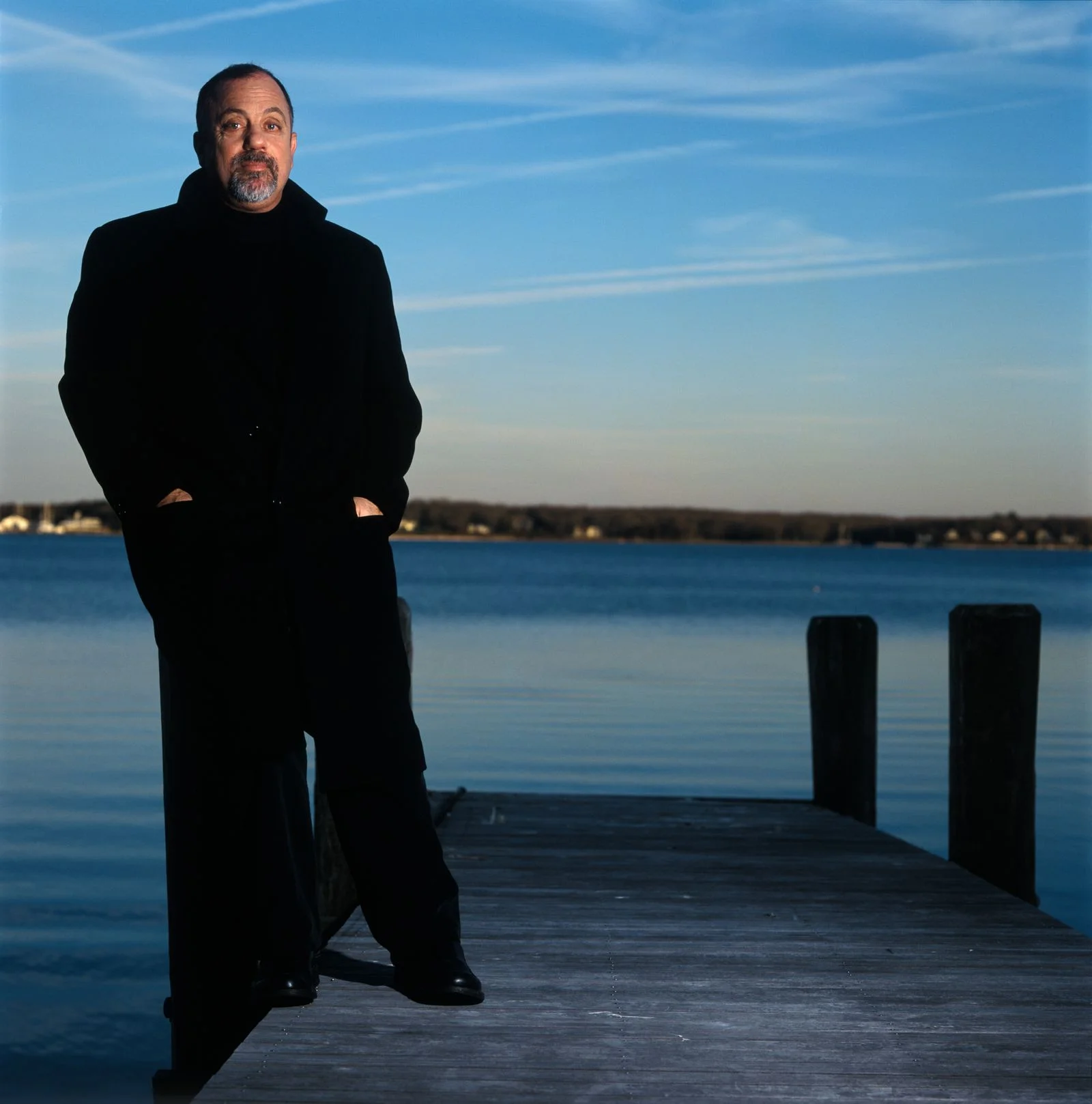
For Joel, island living and boating seem tied to an old affection, not just a property choice. “As a little kid, I always liked boats and the romance of living on an island,” he told Parade in 2018. He designed a 57-foot powerboat, the Vendetta, in 2007; according to The New Yorker, it can reach about 50 knots. In his documentary, Joel called boating “freedom” and said, “I am the captain of my ship.” That may be the clearest thread through these homes and boats: a preference for places where he can set his own course.
Discussion
Sign in to join the discussion.