Explore how iconic films spark design creativity, transforming everyday spaces into extraordinary reflections of personal style.
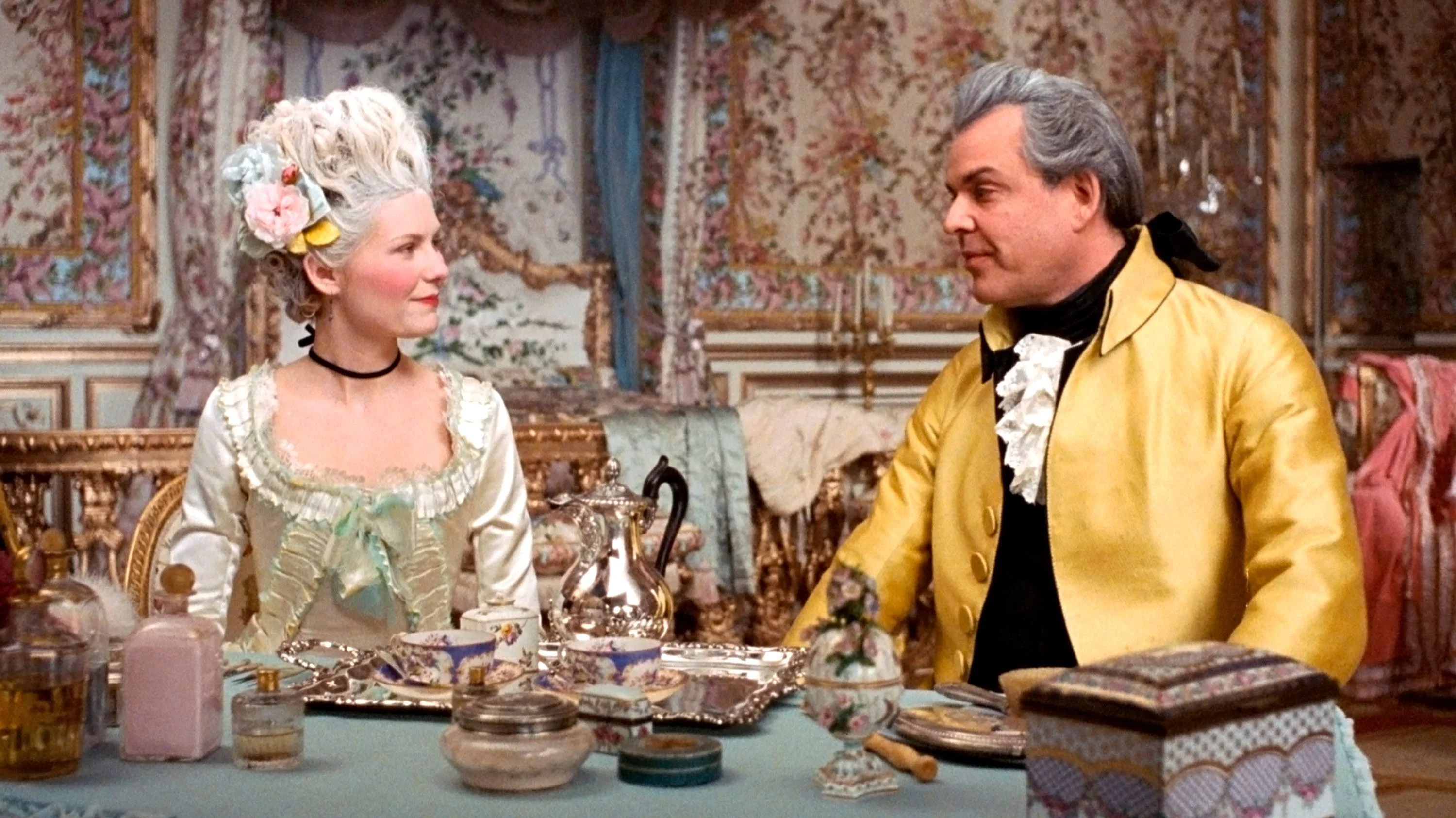
**Unlocking Design Inspiration Through Cinema**
For those of us immersed in design, inspiration can spring from the most unexpected sources. Movies, with their vibrant visuals and carefully curated settings, have the power to transport us to enchanting worlds filled with creativity and elegance. While many films serve as mere entertainment, a select few become enduring sources of design inspiration, appealing not only to the cinematic experience but also to our innate creativity. They boast internal landscapes that resonate well beyond the final credits.
Take, for instance, Jacques Demy’s *The Umbrellas of Cherbourg*. This film is drenched in color, with its whimsical set design inspiring a myriad of designers in various fields. From the bombastic hues of the ceramics to the dreamy streetscapes that reflect a bygone era, this cinematic gem instills a sense of imaginative exploration. If you're delving into the depths of design, these films provide lessons woven into their very fabric, inviting creatives to learn from their visual narratives.
What’s remarkable here is how these cinematic experiences translate into practical inspiration. Even if you’re not a professional designer, you’ll discover that these films encapsulate valuable principles that can be applied to personal projects. Think of the stunning interiors and unique styles that make these movies unforgettable. Armed with their aesthetic principles, you can elevate your surroundings, turning routine spaces into extraordinary creations without a complete overhaul.
This is more significant than it appears: these films serve as masterclasses, illustrating that the art of design isn't limited to high-profile projects or glamorous spaces but can be found in the details of storytelling. So, whether you’re looking to ignite your own passion for design or simply appreciate the craftsmanship at play, exploring these films can open new avenues of inspiration. Why not consider them as part of your next movie marathon?The character and essence of a home are immediately evident in its design—it's like a narrative embedded in the walls. Interior designer Romanek encapsulates this sentiment well: "The minute you see those apartments, you can feel the homeowner's love and what they care about," he remarks. His approach to collaborating with clients revolves around a fundamental question: how do they envision their spaces feeling? This philosophy reflects an understanding that a home transcends mere functionality; it becomes a personal expression, a love letter penned in the language of design.
Consider the film Green Card (1990), which illustrates the lengths one goes for the perfect living space. The plot centers on a stunning New York City apartment, one that only allows married couples to lease it. To secure her dream, Andie MacDowell's character, an urban horticulturist, hastily marries Gérard Depardieu's character, who needs a green card. “Her apartment is so classic—the architecture, the beautiful courtyard garden,” says designer Jessica Davis, who admits that this movie holds a special place in her heart, bringing her back time and again. Davis highlights that the apartment’s ambiance and the lengths characters go to claim such a coveted space provide a rich narrative about the intersection of love, ambition, and home.
In design, every detail counts—especially in how a space conveys feelings and invites emotion. As Davis points out, the foundational elements of the apartment serve as a case study in design mastery. She notes, “Watching that movie made me really think about ambiance and layering.” This focus on creating an emotional backdrop ultimately informs how interior designers approach their projects, ensuring spaces resonate on a deeper level.
The discussion continues with Death Becomes Her (1992), a film that marries dark comedy with striking interiors. The elaborate designs and extravagant furniture stand out, captivating viewers and interior designers alike. For Noz Nozawa, who recalls watching the film as a child, the interiors sparked a lifelong passion for design. “The movie's interiors informed my childhood love of opulence,” she reflects. She notes that the decor feels integral to the story itself, almost like characters that contribute to the film's dramatic narrative. That perspective resonates with her design philosophy, where every piece serves a purpose and carries significance.
As these films demonstrate, the relationship between film and interior design isn’t trivial. Rather, it's filled with lessons on how environments shape behavior, character, and emotions. For those of us in the design space, these cinematic experiences underscore the importance of authenticity and narrative in crafting homes that are not only functional but also deeply personal.This final section wraps up by showcasing how the intersection of rich storytelling and outstanding interior design captivates viewers and influences current design practices.
Discussion
Sign in to join the discussion.