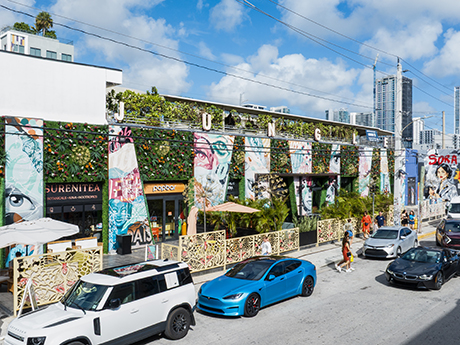
Newmark oversaw the $25 million sale of Wynwood Jungle, a 38,945-square-foot retail property, showcasing the vitality of Miami's Wynwood Arts District.
Miami — Newmark has successfully facilitated the $25 million sale of Wynwood Jungle, a prominent retail property covering 38,945 square feet in Miami’s vibrant Wynwood Arts District. Initially completed in 2016, the property underwent significant repositioning in 2023, receiving over $1 million in capital improvements. This enhancement included modernizing common areas, upgrading the façade, and creating outdoor dining options along with a rooftop restaurant.
The Appeal of Wynwood: A Nexus of Art and Retail
The Wynwood Arts District has dramatically transformed over the past decade, evolving into one of Miami's most desirable locales for creatives and consumers alike. Known for its colorful murals, art galleries, and trendy eateries, the district draws both tourists and locals, contributing to a thriving retail environment. This area stands out not just for its aesthetic appeal but for its community-centric atmosphere.
Wynwood Jungle capitalizes on this dynamic by offering a retail mix that aligns with the tastes of the neighborhood's demographic. The property is situated near a variety of art venues, making a visit to Wynwood an immersive experience that naturally encourages foot traffic. Such synergies are vital in retail, where customer engagement can significantly influence sales performance.
Capital Improvements: Enhancing Value
The reported capital improvements of over $1 million significantly elevate the property's position within the market. Improvements like modernizing common areas and enhancing the exterior can greatly influence a retail property's competitive edge. These upgrades aren't merely cosmetic. In a market striving for higher standards, they reflect an investment into the customer experience—an often-overlooked aspect that can yield long-term returns.
The creation of outdoor dining options and a rooftop restaurant taps into the increasing demand for versatility in retail spaces, particularly post-COVID-19. Consumers are now more inclined to favor venues that offer a blend of dining and shopping experiences. The move to integrate outdoor amenities helps Wynwood Jungle meet this demand. The rooftop space, in particular, can provide a unique attraction that sets it apart from competitors.
Tenant Quality: A Draw for Consumers
The roster of tenants at Wynwood Jungle also merits attention. Establishments like The Salty, Sora, Sürinitea, Häagen-Dazs, and 27 Club Coffee are not just well-known names; they are brands that resonate with the lifestyle and preferences of Wynwood's clientele. High-quality tenants can create a snowball effect: they attract more foot traffic, leading to increased sales for all occupants within the space.
This tenant mix also reflects an understanding of local sensibilities. For instance, a combination of dessert shops, coffee houses, and unique dining experiences speaks directly to consumers seeking social and casual engagement, further positioning Wynwood Jungle as a community hub.
The Role of Newmark in Transactional Success
Newmark’s involvement in this sale is indicative of the firm's strong footing in the competitive Miami real estate arena. Their representatives, including Eric Williams, Conor Lalor, James Sharpe V, and Andrei Larion, have established expertise that likely facilitated the deal. Their track record in navigating the complexities of Miami’s market dynamics played a significant role in achieving a successful transaction.
This transaction may signal broader market trends in Miami, where even amid economic uncertainties, certain property types—like those in vibrant retail districts—continue to attract investment and attention. Newmark’s capability to secure this sale emphasizes their influence in aligning buyer motivations with seller expectations, an increasingly essential skill in today's fluctuating market conditions.
Market Implications and Future Outlook
The sale of Wynwood Jungle for $25 million amidst a backdrop of rising interest rates and shifting consumer behaviors casts an interesting light on the future of retail real estate in urban areas. The focus on mixed-use developments and community-centric spaces has never been more evident. If you're working in this space, this sale could be indicative of a continuing trend toward investment in properties that offer multifaceted experiences to consumers.
As urban areas like Wynwood continue to attract a young, experience-seeking demographic, investment in retail spaces may shift toward those that provide blended environments of shopping, dining, and leisure. This trend is not merely about aesthetics; it’s a strategic shift in how commercial real estate developers view the consumer landscape.
Yet, there’s skepticism too. The question remains whether such properties can maintain their attractiveness amidst evolving market dynamics, particularly if consumer preferences continue to shift rapidly. The prominence of e-commerce and changes in lifestyle could challenge the viability of even well-placed retail environments. Retailers need to remain agile to adapt to market changes effectively. After all, customer loyalty isn't just a number; it's a perception driven by experiences.
A Shifting Paradigm: Conclusion
This transaction isn’t just another number in Miami's bustling real estate market. It may well represent a turning point in how retail spaces are developed and marketed. With consumers prioritizing experiences over mere purchases, Wynwood Jungle has exemplified an approach that aligns renovation and tenant mix to community needs, making it a case study worth examining.
The retail market in regions like Wynwood may continue to evolve, but experiences like those offered at Wynwood Jungle will likely remain at the forefront of what attracts consumer interest. What remains to be seen is whether this model can withstand external pressures while continuing to thrive in an unpredictable market.
Discussion
Sign in to join the discussion.