A 72,000-square-foot studio and years of work are behind Macy’s 100th parade, featuring seven new balloons and returning favorites.
The Macy’s Thanksgiving Day Parade is a New York tradition built on year-round production. For its 100th edition, the operation behind the spectacle is in focus: a 72,000-square-foot studio where more than 75 people design and build the floats, balloons and costumes seen on the route. The workshop puts a physical scale behind a familiar annual event. What looks effortless from the sidewalk is the result of many kinds of work happening well before Thanksgiving.
Executive producer Will Coss says teams across costume, sculpting, metalwork, engineering, carpentry and balloon fabrication contribute a combined 50,000 hours of work each year. That figure covers a broad range of specialties, from shaping large structures to preparing the materials and details that make them parade-ready. Before moving into its current studio, the parade operation was based in a former Tootsie Roll factory in Hoboken, New Jersey. The change in setting reflects how much space and coordination the production requires.
The workshop behind the spectacle
A studio of this size serves as more than storage or assembly space. Parade pieces need room to be designed, fabricated and inspected, while teams working in different materials have to coordinate their efforts. A balloon, for example, depends on more than its finished appearance: its construction has to suit the practical demands of being handled and moved along a public route.
The range of trades also gives a sense of the production’s complexity. Costume work and sculpting shape what viewers recognize, while engineering, metalwork and carpentry deal with the structures that support the finished designs. The production is part craft shop, part technical operation. This is more significant than it looks: the spectacle’s scale is built from many separate decisions that have to come together on schedule.
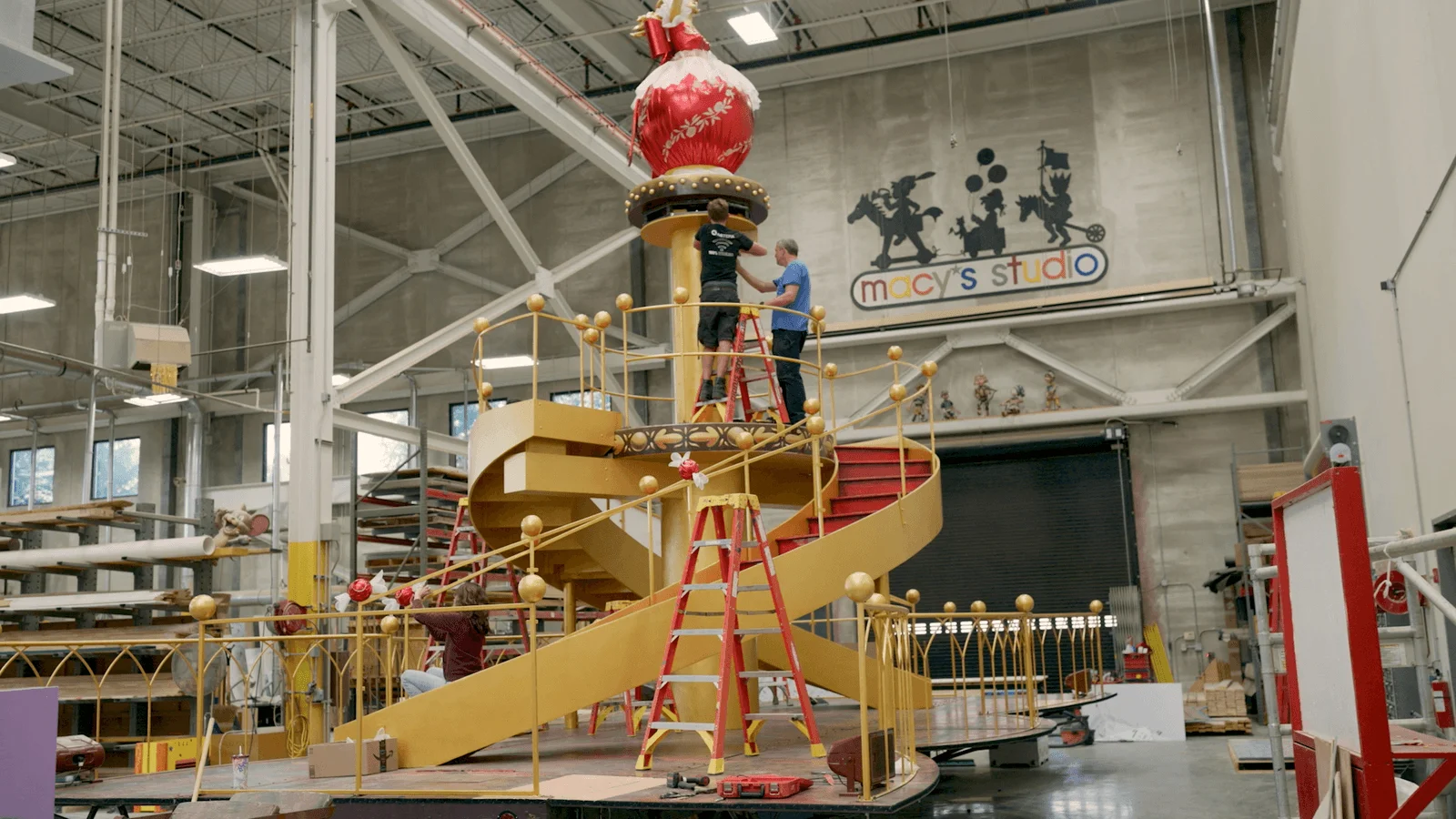
Inside the Macy’s Thanksgiving Day Parade studio
A century of change, with a missing hippo back in the lineup
The parade’s first edition, in 1924, featured animals from the Central Park Zoo, including elephants, lions, tigers and bears. Giant character balloons followed, changing the event’s visual language from live animals to oversized figures that could be recognized from a distance. For a few years, those balloons had an unexpected afterlife: from 1928 to 1932, they were released after the parade, with cash offered to anyone who found one.
That practice ended as private aircraft began tracking the balloons. One blue hippo released in 1931 was never recovered. The story has the makings of a charming bit of parade lore, but it also points to a practical limit: a celebratory release could send a large object beyond the organizers’ control. For the centennial, the character is set to return alongside Felix the Cat, the first character balloon in the parade, and Underdog, absent for 42 years.
Snoopy, the parade’s most frequently recurring balloon, will appear as Joe Cool for the first time. The lineup therefore combines familiar characters with a new presentation of a well-established one. That balance matters for an anniversary: the event can acknowledge its history without making the program feel like a museum display. And yet, nostalgia alone can’t carry a parade; new designs have to give returning figures a reason to be seen again.
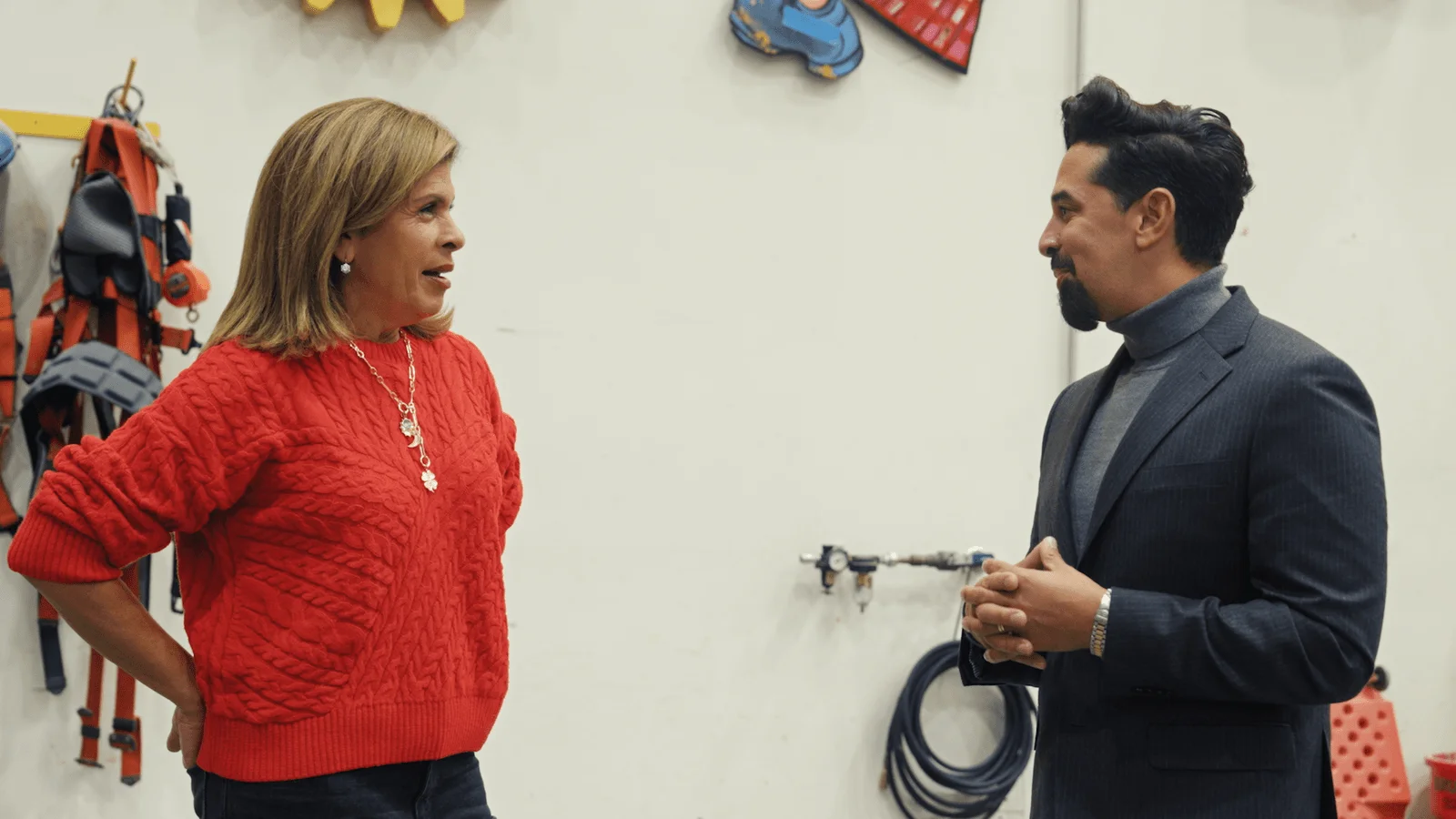
Hoda Kotb and Macy’s Thanksgiving Day Parade executive producer Will Coss
Centennial production began years ahead
Coss says work on the 100th parade began when he joined the organization five years ago. The program includes seven new balloons, six new floats and one new “balloonicle,” a hybrid balloon vehicle. Those additions require time for design and construction, while the returning characters bring their own expectations: people may know the silhouette already, but the production still has to make the appearance work in the current show.
The mix of debuts and returning characters gives the anniversary a clear link between the parade’s history and its current production scale. It also makes the centennial a test of balance. Too much emphasis on new material could leave the milestone feeling detached from the event’s familiar identity; too much reliance on old favorites could make it feel like a repeat. Here’s the thing: the program has to do both jobs at once.
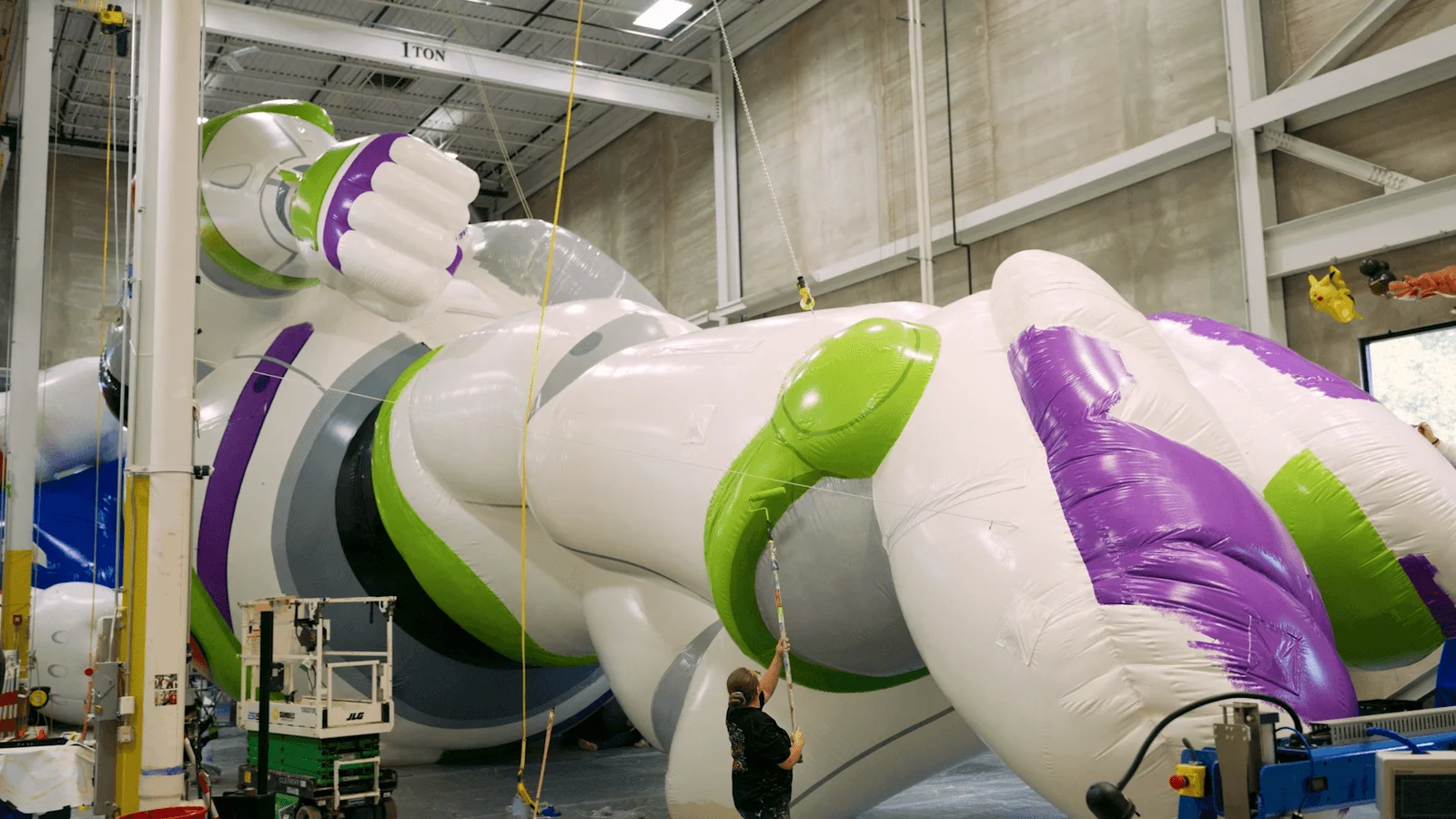
A balloon under construction
Float construction can span six months
Each float can take as long as six months to move from initial drawings through engineering and weatherproofing. That timeline helps explain why the anniversary program has been in development for years: the parade’s visible scale depends on detailed work across several specialist teams, with each design ultimately built for a single day on New York’s streets. A short public appearance can therefore represent months of planning and fabrication.
Weatherproofing is a reminder that parade design has to account for conditions outside the studio. A float must be conceived as a moving object in an outdoor setting, not simply as a stationary display. If you're working in this space, the useful measure of a design isn’t just how it photographs or reads from a distance; it’s whether the idea survives the practical stages between drawing and route.
What the anniversary reveals about the event
The centennial puts the parade’s production model in view: a large annual show depends on long lead times, skilled labor and a dedicated place to bring the pieces together. The figures Coss cites make the effort tangible, while the individual examples show how history and logistics intersect. A lost balloon, a returning hippo and a float that can take months to build all belong to the same story of spectacle shaped by practical constraints.
For viewers, the studio offers a different way to understand the parade. Its scale isn’t only measured in the size of the balloons or the number of new entries; it’s also measured in the accumulated work behind them. One day on the route. Thousands of hours before it.
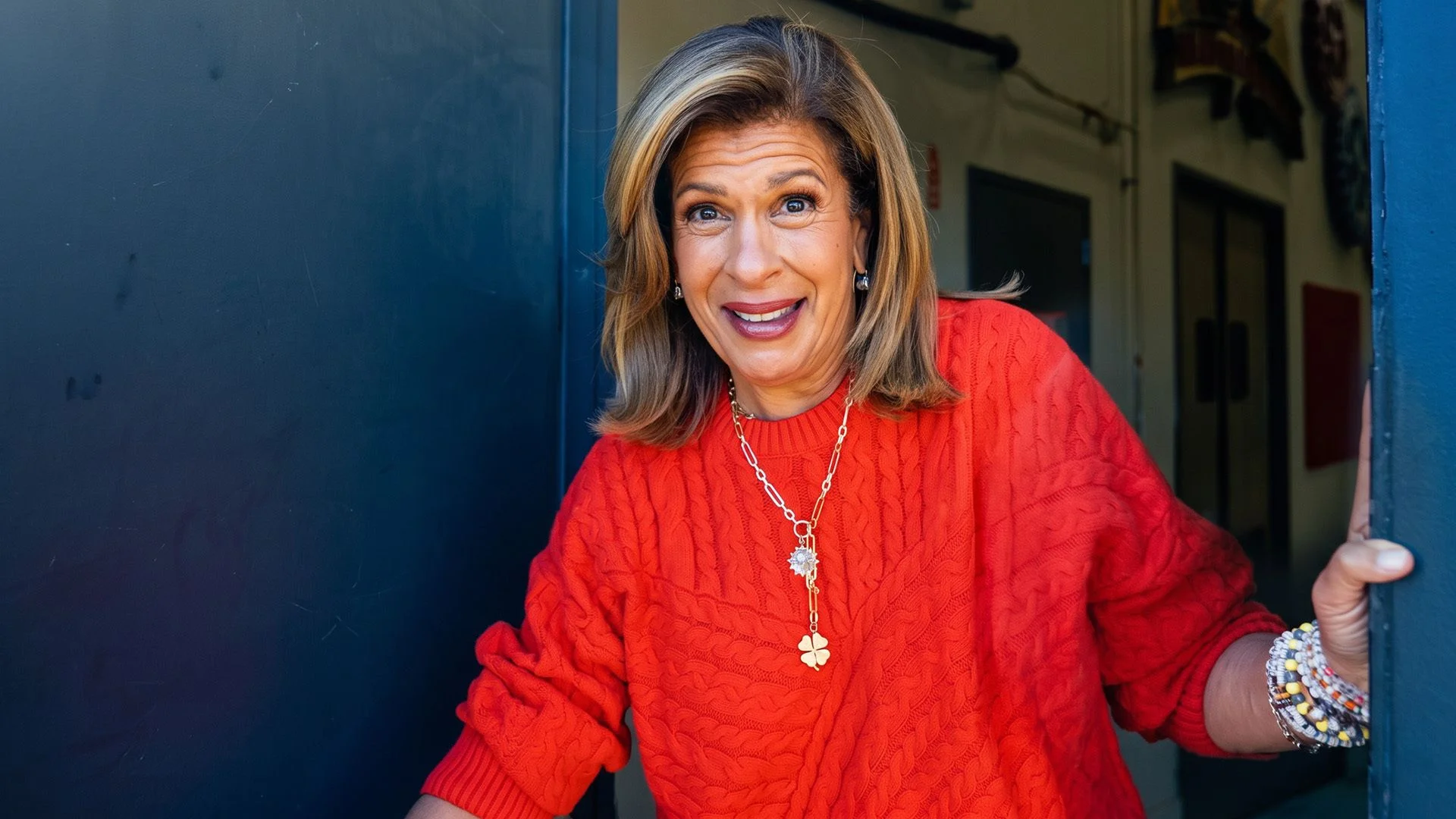
Hoda Kotb welcoming AD to the Macy’s Thanksgiving Day Parade studio
Discussion
Sign in to join the discussion.