Bunny Williams's Falls Village, Connecticut, garden features 17 unique folk-art birdhouses on tall posts, a whimsical hamlet built one piece at a time.

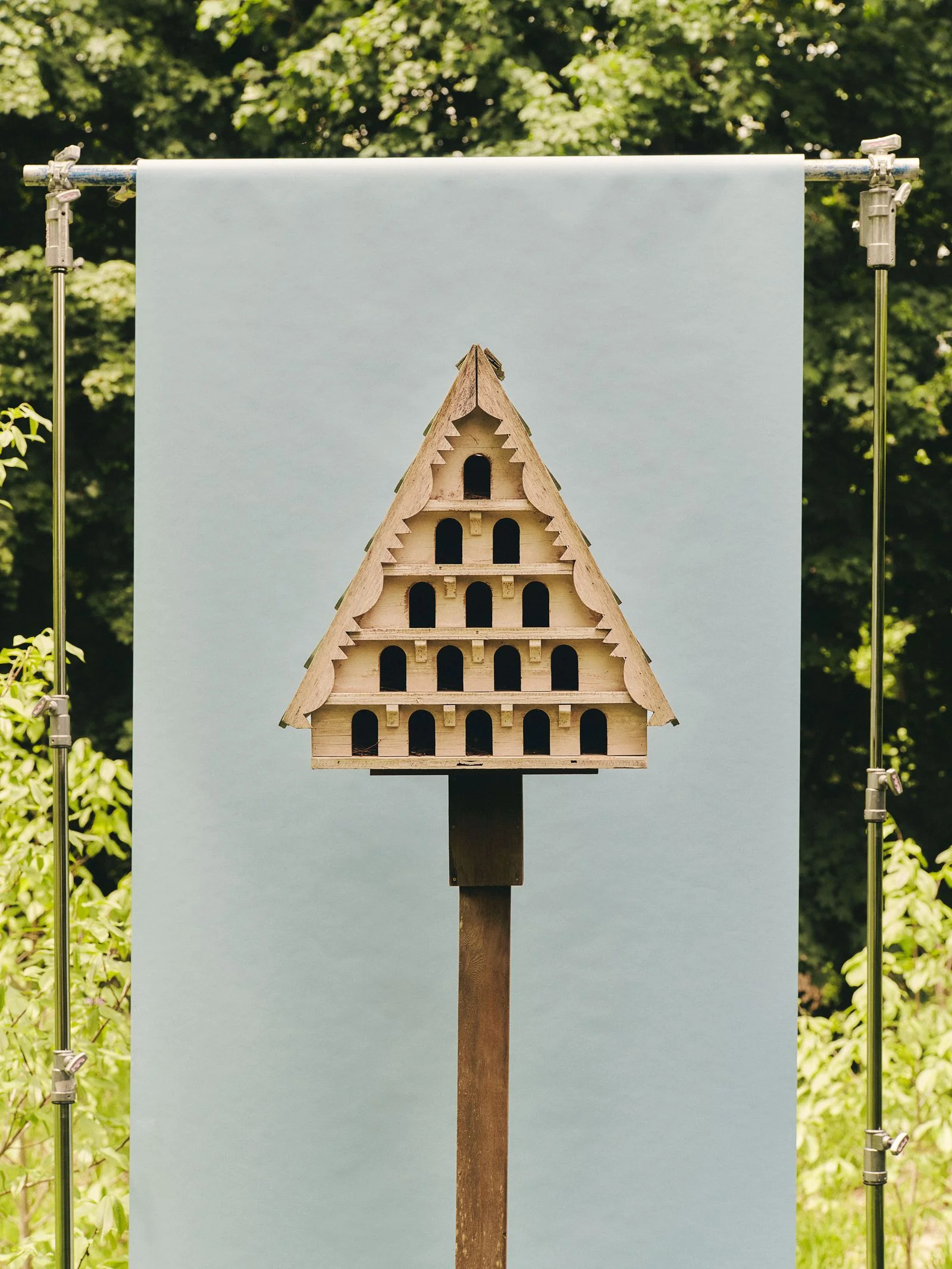
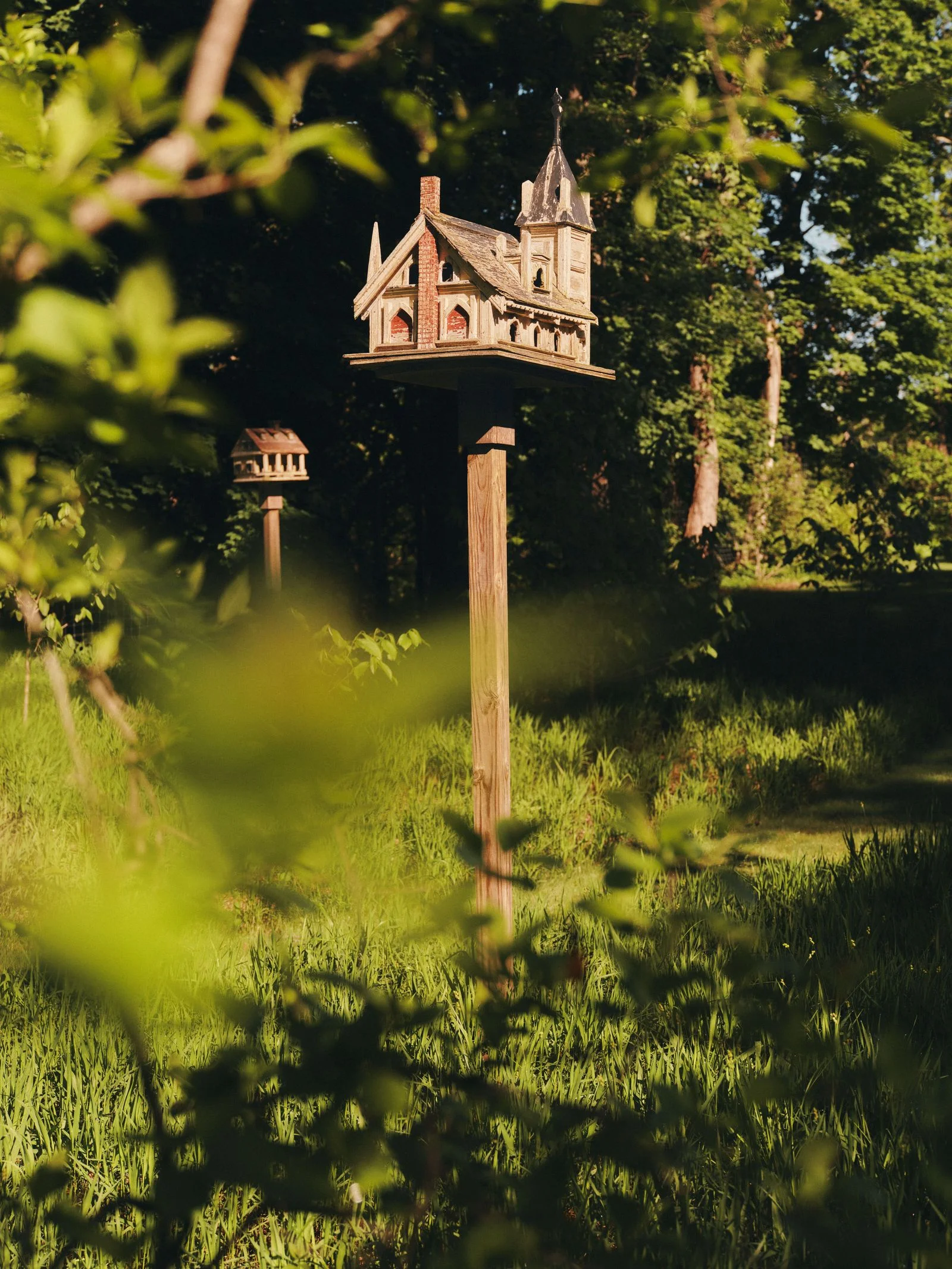
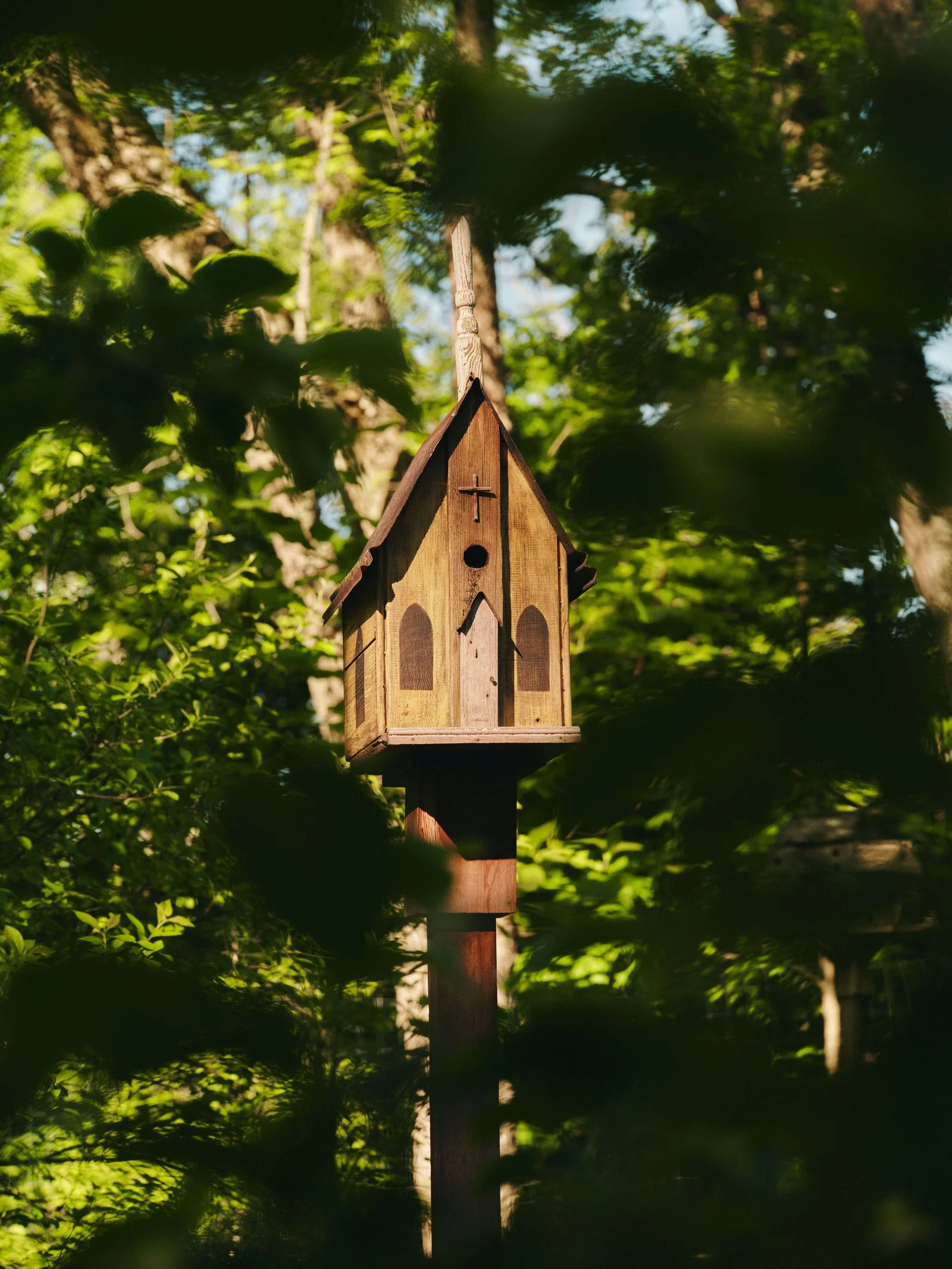
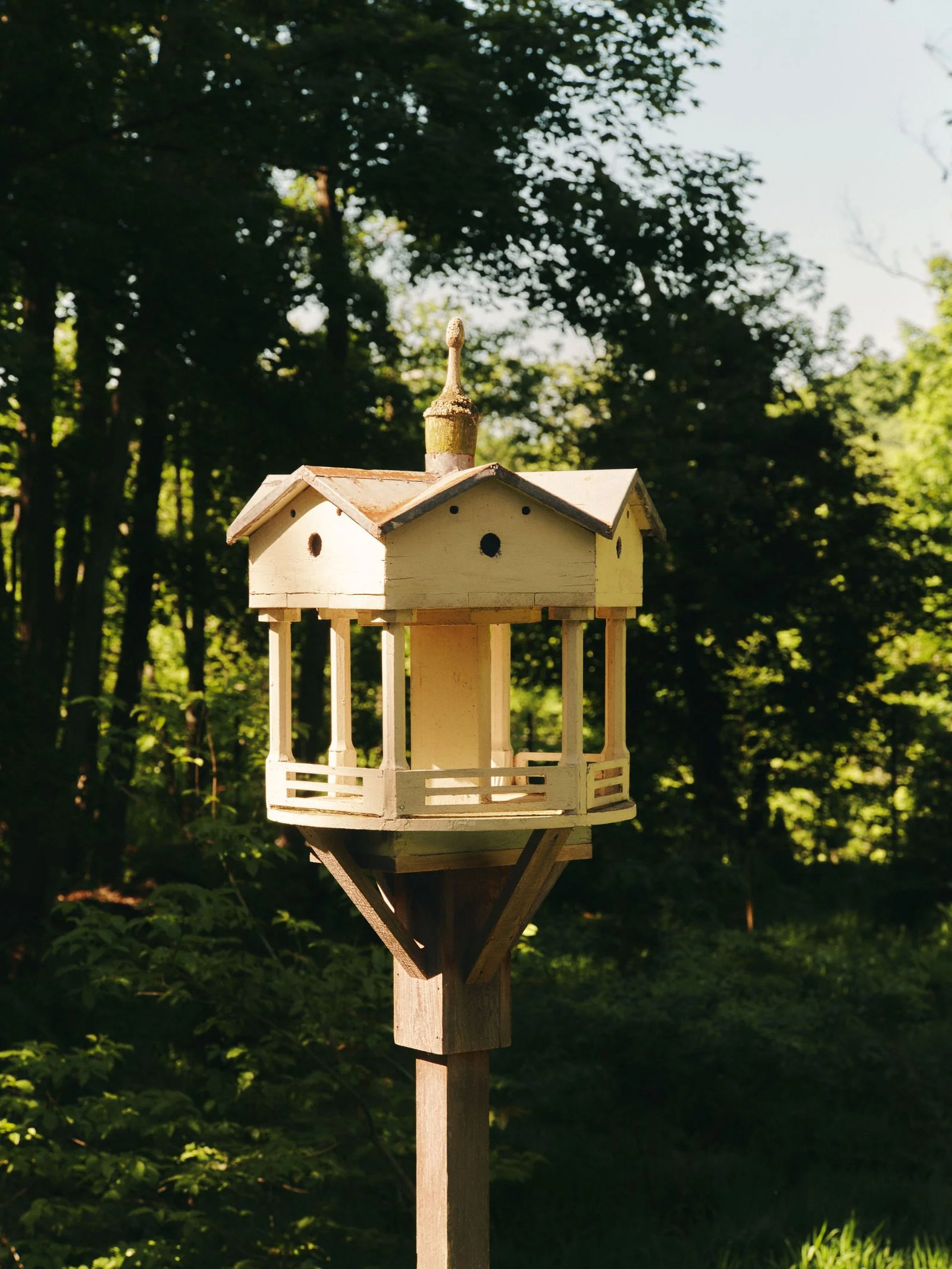
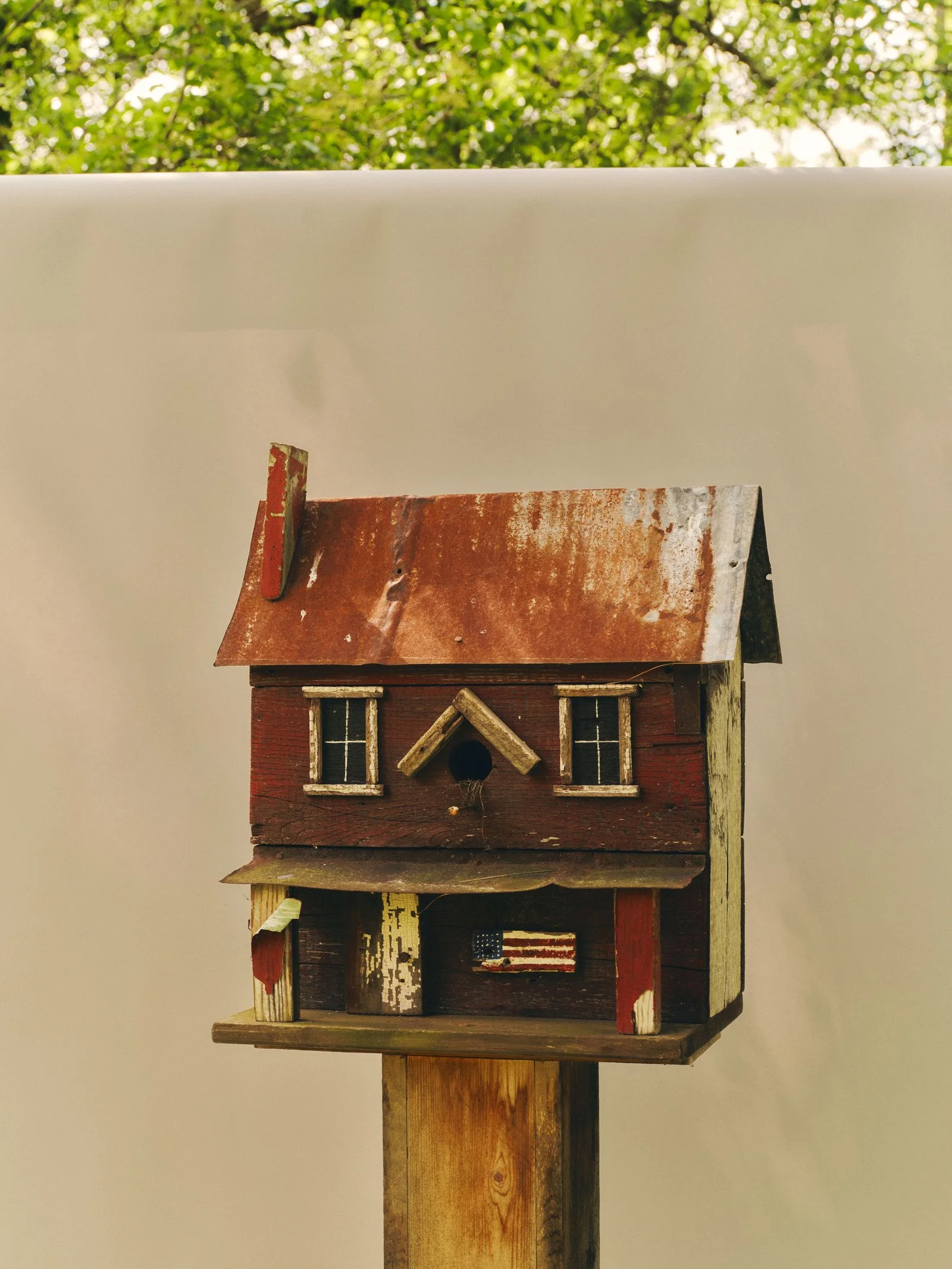
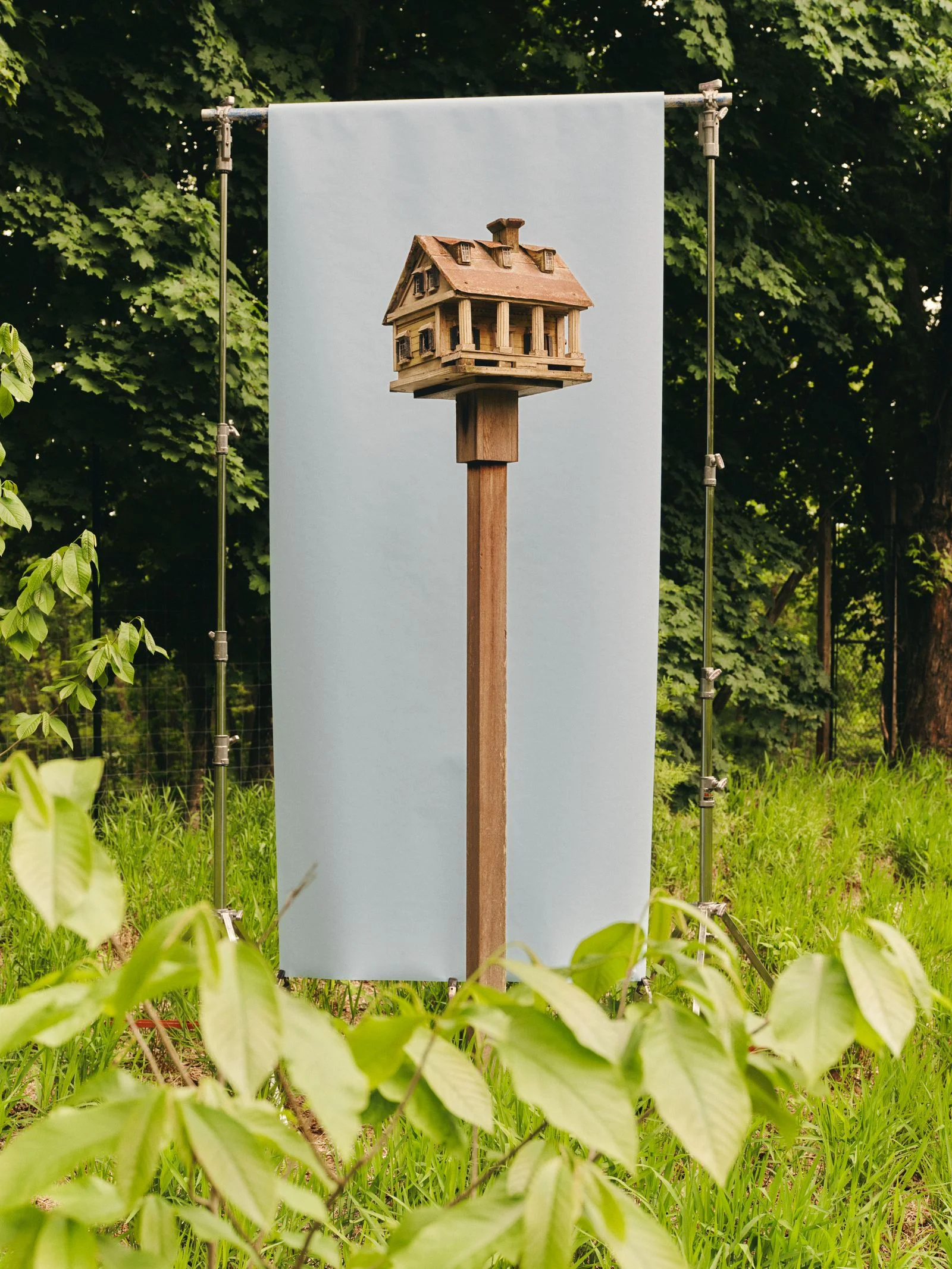
Bunny Williams's country garden in Falls Village, Connecticut, has its own village. Tucked at the edge of the apple trees, the AD100 Hall of Famer's birdhouses form a rough hamlet: a church with a sensible tin roof, a thatched cottage, a pagoda, a red house flying a tiny flag that Williams takes for a general store, and a shuttered confection that looks like a Russian dacha. Each one sits on its own post. Each is finished on every side, painted, and weathered like buildings that have stood for generations. Not one has a door you could fit a hand through. These are houses for birds, and they grew the way real towns do, one building at a time, with no master plan.

The collection started as a side effect of a working life. For years, Williams and her husband, the antiques dealer John Rosselli, combed fields and fairs for Treillage, the much-loved shop they ran in New York City until 2015. Birdhouses kept turning up. They piled onto shelves in the hayloft of her barn. "When I had two, I didn't know what to do with them," she says. "Then all of a sudden there were 10." At some point, she decided they'd been in storage long enough.
Building a neighborhood for birds
Williams didn't set out to decorate. She set out to fix a neglected corner. She and Robert Reimer, the head gardener on the property, began by reclaiming a long-overlooked point of land. They removed invasive species to open up space and free a stand of existing apple trees, then planted oat grass, bird-friendly scrub, and fruit-bearing pawpaw trees. Only after that did the houses go up. There are 17 now.
The posts were a deliberate choice. Williams had them made uniform and tall, "so that you look up at them," and each one is wrapped with a metal band. The band is there to stop ambitious squirrels from climbing up and disturbing the tenants she had in mind.

Folk art, not Monticello in miniature
What hooked her wasn't provenance or prestige. "Most of these birdhouses are sort of folk art," she says. "They were somebody having fun building an unusual structure." These aren't scaled-down copies of famous houses, and they aren't replicas of anyone's own home. They came from unknown makers, each with "an eye and a kind of humor," and none of them trying to be perfect.
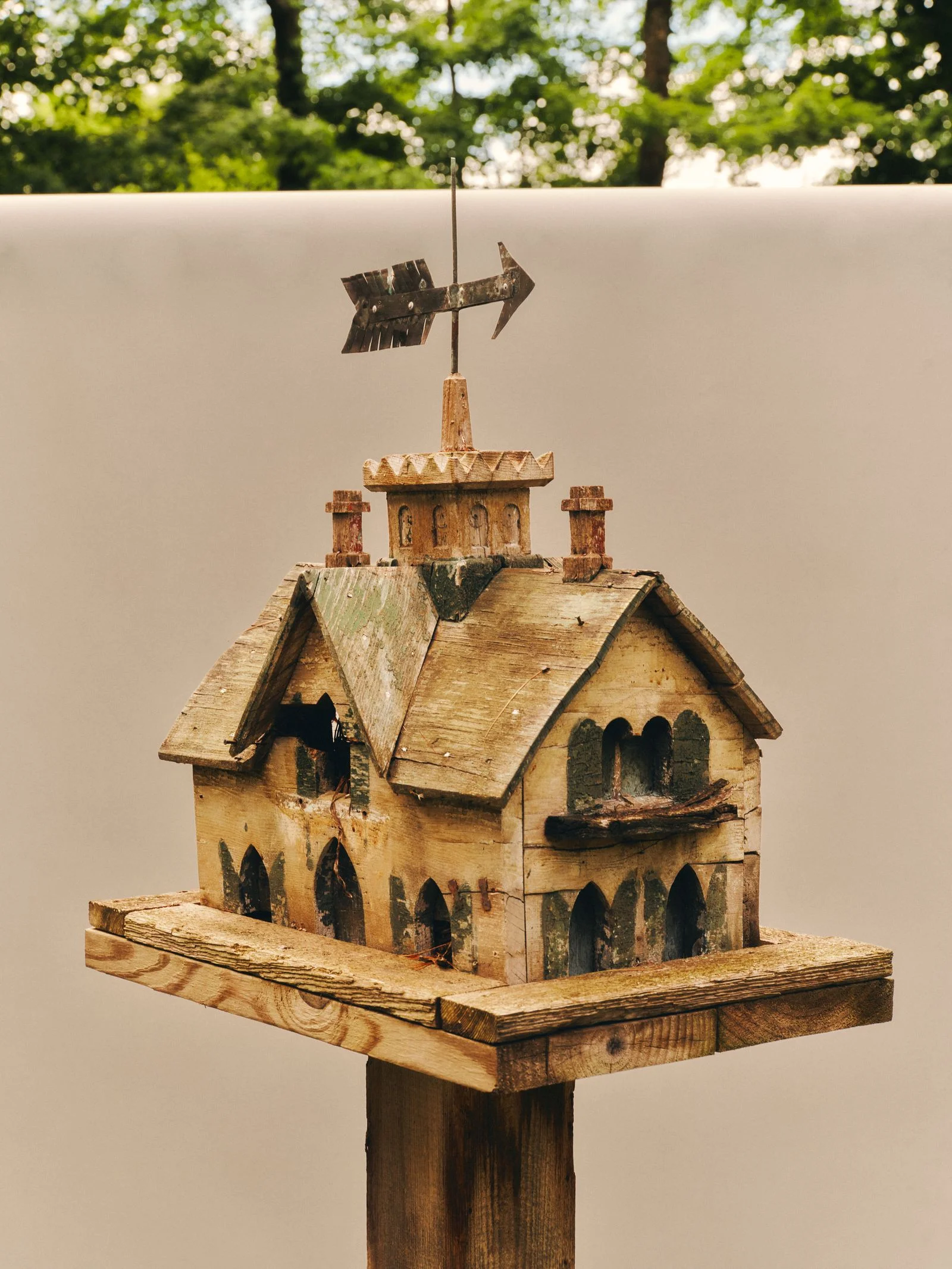
That's the appeal, and it's also why they're hard to value. Look closely. There are gingerbread scallops on a many-holed high-rise, which Williams says reflects that "somebody had a great time with their little saw." There's a thatched-roof cottage she prizes because she's never seen another like it. And there's a weather vane crowning the would-be dacha. Nobody was aiming for a museum piece, which is exactly why these pieces feel alive.
The paper trail is still out there
Here's the problem with buying birdhouses from dealers: they rarely knew where the things came from, and the history didn't come with the sale. It's not clear how many of these makers will ever be identified. But the record isn't gone, and that's the more interesting part.
Jacob Torkelson, an architectural historian and researcher at the University of Pennsylvania's Stuart Weitzman School of Design, is one of very few scholars in the country studying these objects. He's been working to identify their makers and manufacturers, wherever a name survives. "The period from 1890 to 1930 is really the birdhouse's golden age," he says.
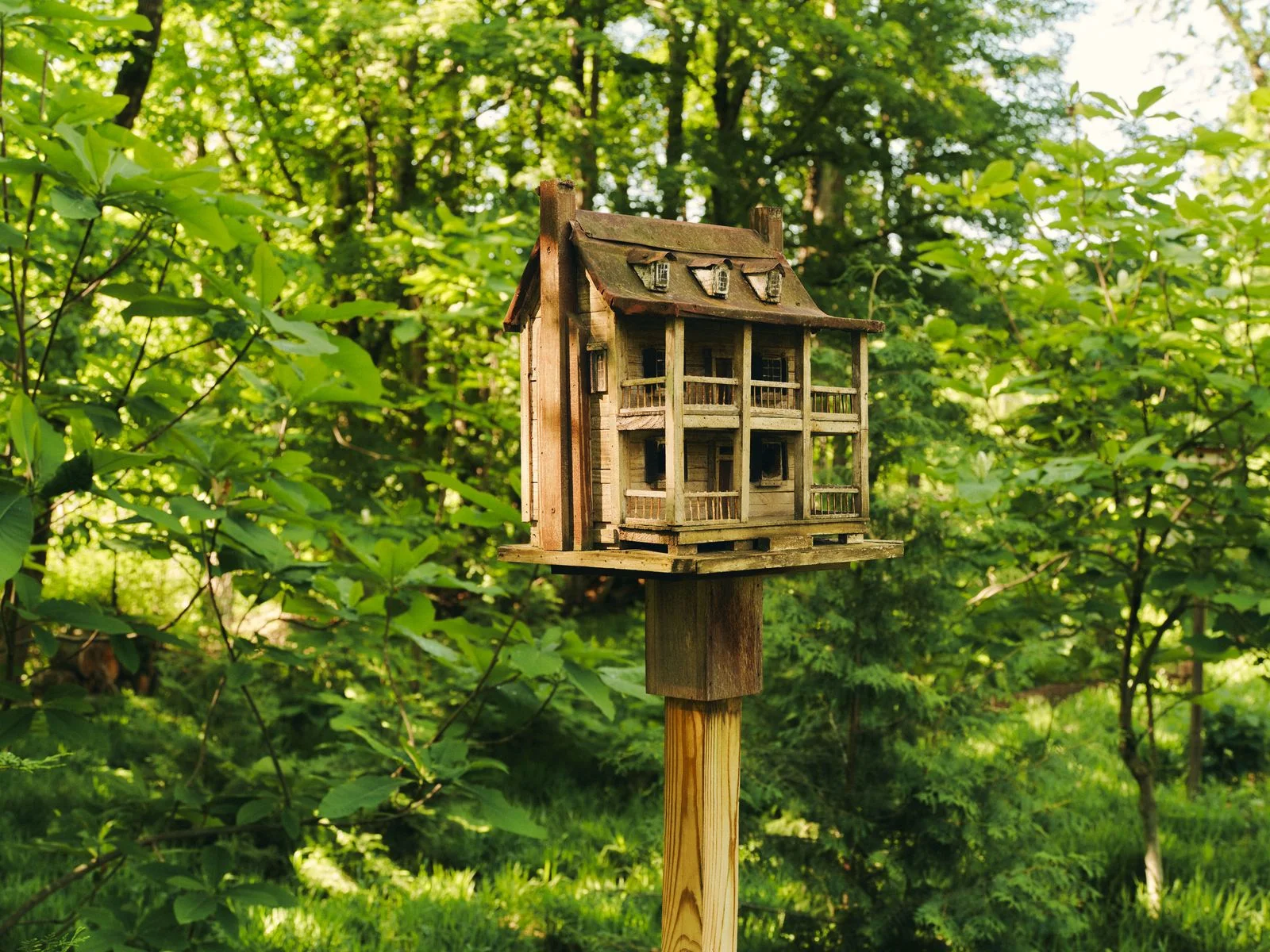
Those decades mattered for practical reasons, not just decorative ones. Government pattern books urged farmers to put up birdhouses to cut pesticide use, since the birds would eat the insects. Mail-order companies sold them to homeowners as pure whimsy, and also as a way to promote biodiversity in the garden. Shown photographs from Williams's collection, Torkelson went further than the dealers could. He traced one house to its catalog page: the six-room Bungalow Martin House, sold by the E.F. Hodgson Company, which listed the model from about 1917 until the firm closed in 1944.
That's the real payoff. A birdhouse that looks like a toy can still tell you what people valued at a given moment. "Birdhouses are these wonderful mirrors to the human condition," Torkelson says. "They tell us the values that we have as a society or as individuals, in our houses, in our gardens." If you're collecting vernacular objects, that's the lesson. The object is a document, and the paperwork is often still out there, waiting for someone to go looking.
Williams still isn't done collecting, and her hunt keeps leading her to the same small community of makers. Last May she stopped at the Trade Secrets garden fair, the Litchfield Hills event she cofounded in 2001 to raise money for a local nonprofit that supports victims of domestic violence. There she found Jim Sidon, whose company, [Sparrow 10:29](https://www.sparrow1029.com/), builds avian-size replicas of real buildings. 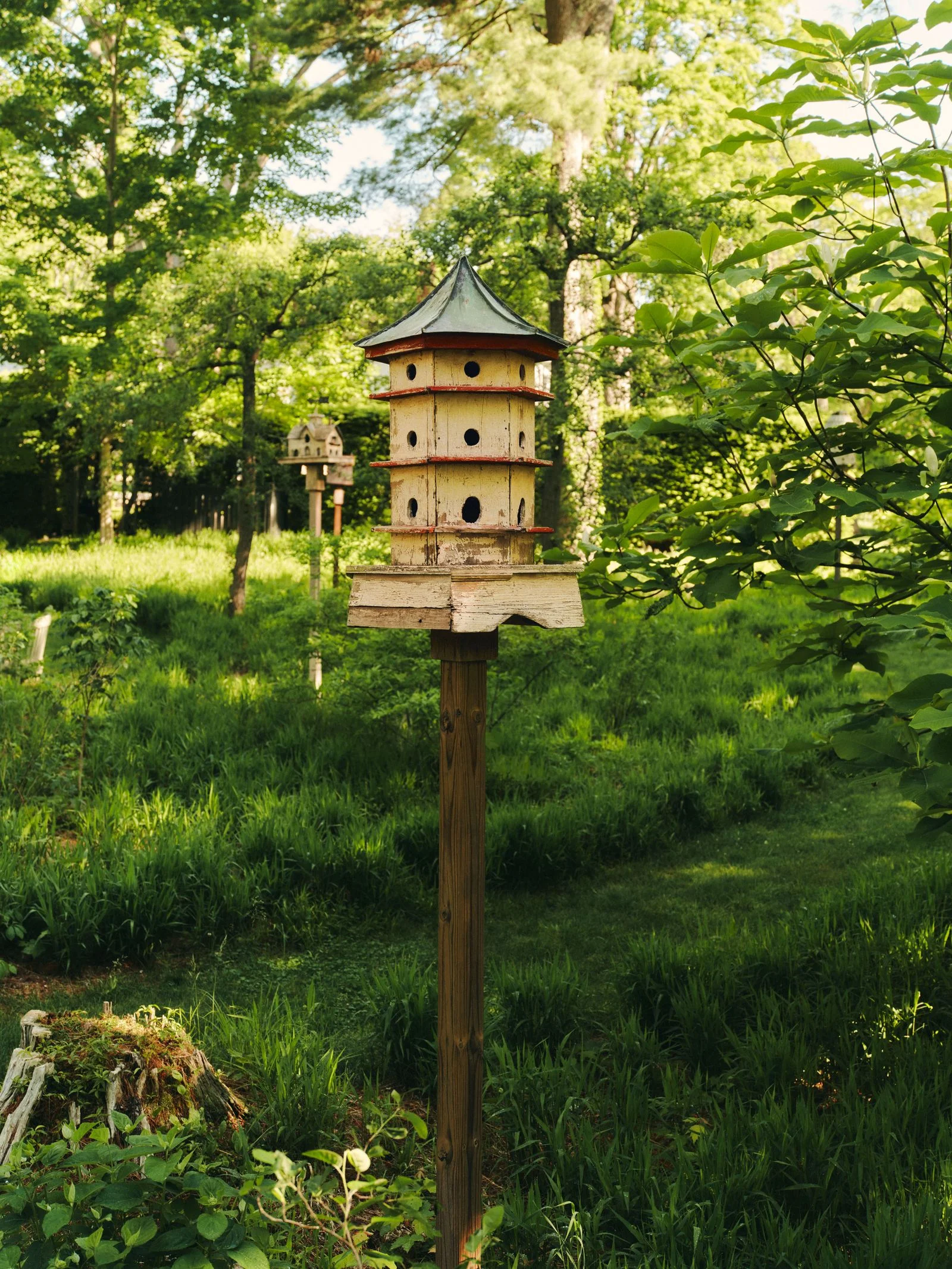 *This pagoda-inspired birdhouse provides multiple roosting spots.* 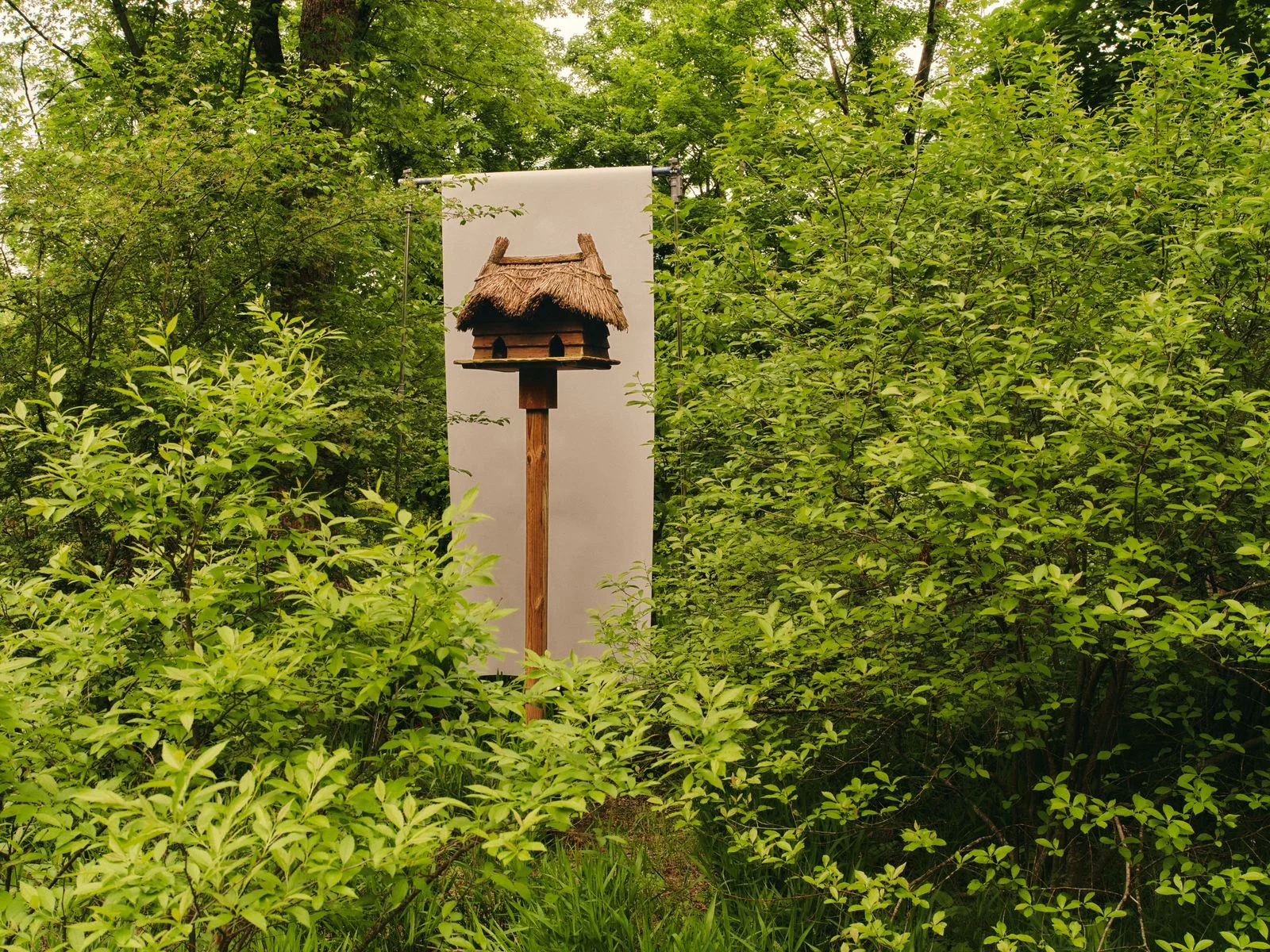 *An unusual thatched-roof cottage prized by Williams, who has never seen another like it.*
Discussion
Sign in to join the discussion.