A 30,600-square-foot multi-tenant center on Vista Way traded for $3.5 million, with Pacific Coast Commercial representing both sides.
Vista retail property changes hands
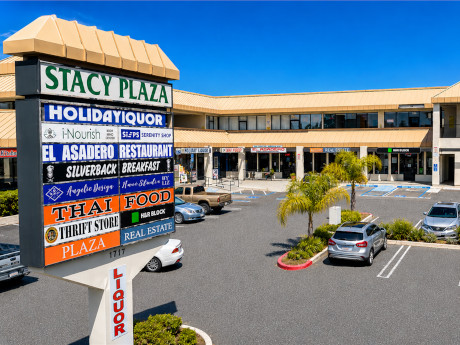
A multi-tenant retail property at 1717 E. Vista Way in Vista, California, has sold for $3.5 million. The center contains 30,600 square feet and sits about 34 miles north of San Diego, placing the transaction within the region’s broader commercial property market while keeping its scale distinctly neighborhood-oriented.
The sale brings together a property type built around several occupants under one roof. Unlike a single-tenant building, a multi-tenant strip center depends on the combined presence of its businesses: customers may visit for one purpose and encounter other shops or services during the same trip. That arrangement can make the tenant mix central to how a center functions, though the source doesn’t identify the businesses, their lease terms, or how much of the space is occupied.
A mix of office and retail uses
The center is occupied by a mix of local office and retail businesses, combining two uses in one property. The distinction matters because office occupants and storefront businesses can draw people at different times and for different reasons. A retail tenant may rely on walk-in visits, while an office user may bring a more scheduled stream of clients or staff. The source provides no tenant names or details about the balance between the two uses, so the practical effect of that mix can’t be measured from the sale announcement alone.
Here’s the thing: “local” describes the character of the tenancy, but it doesn’t tell a reader whether the businesses are long-established, newly arrived, or financially stable. Those details often shape a center’s day-to-day performance, yet they aren’t included here. The reported facts establish that the property has multiple occupants and mixed uses; they don’t establish its vacancy rate, income, operating costs, or recent leasing history.
Transaction and representation
Pacific Coast Commercial broker Martin Alfaro represented both seller LB ONE LLC and buyer CDH Holdings V LLC in the transaction. The source doesn’t state when the sale closed or provide other terms, so the $3.5 million price is the principal reported measure of the deal.
At that price and size, the sale can be expressed as roughly $114 per square foot, a simple calculation based on the stated purchase price and building area. That figure offers a compact way to describe the transaction, but it isn’t a full valuation analysis. It doesn’t account for the condition of the property, its income, lease obligations, tenant improvements, or any other terms that may have affected the negotiated price.
What the sale signals for the local market
A single transaction provides a data point, not a trend. Still, sales of smaller multi-tenant properties can draw attention because these assets sit close to the operating details of local commerce: tenant retention, maintenance, leasing, and the ability to keep different businesses working within the same footprint. This is more significant than it looks when readers treat a headline price as a complete account of a property’s market position.
Comparable properties are useful only when their differences are made clear. Centers can vary in tenant mix, building condition, location, access, and lease structure, and the source gives no information about those factors for 1717 E. Vista Way. Without comparable sale details, it’s not possible to say whether this price was high or low for Vista, or whether it reflects wider movement in the San Diego area. The reported sale adds evidence of activity; it doesn’t settle what that activity means.
If you're working in this space, the next questions are operational: how much of the center is leased, how varied are the tenants, and what condition is the property in? Those answers would help explain the buyer’s view of the asset and the seller’s result. They aren’t available in the reported details.
Implications for a neighborhood-scale asset
For Vista, the transaction places another small-scale commercial asset on the local sales record. A center serving office and retail users can contribute to a varied commercial district, but its value to the area depends on the businesses it accommodates and how consistently the space remains in use. The announcement confirms the property’s size, location, sale price, and broad tenant categories; it doesn’t describe a change in use or any planned redevelopment.
And yet, the sale is a useful reminder that commercial real estate activity isn’t limited to large regional centers or headline transactions. Smaller properties also change hands, often with their appeal tied to the everyday work of managing tenants and maintaining occupied space. A modest deal in scale. Its wider market meaning will depend on how it compares with other sales and on information about the property’s operations that hasn’t been reported.
Discussion
Sign in to join the discussion.