Burlington and Marshalls have opened at Dadeland Station, adding about 62,000 square feet to the established Miami retail center.
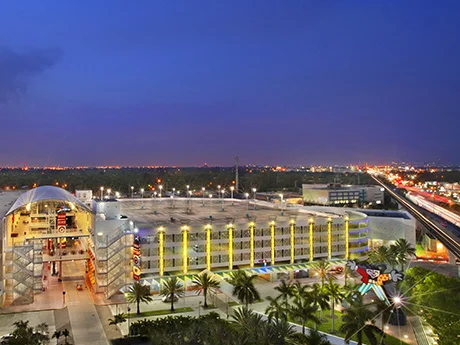
Two anchors add 62,000 square feet
Burlington opened at Dadeland Station in August, followed by Marshalls in September. Together, the off-price retailers occupy about 62,000 square feet, adding a sizable leasing block to the Miami shopping center. The openings put two recognizable discount chains in the same property, though the available details don’t identify how much space either store takes individually or describe their layouts.
That combined footprint matters in the context of a 350,000-square-foot property. Dadeland Station is a three-level retail power center just east of Dadeland Mall, and these stores add substantial retail area to an established roster. Their presence gives the center two more large-format tenants, a distinction that can matter when shoppers decide whether a retail trip is worth making.
Off-price retailers typically draw customers with branded merchandise offered at discounted prices, with product availability and selection that can change. That model can give shoppers a reason to return and browse, while also making the in-store experience different from a conventional department store with a more predictable assortment. Here’s the thing: the category label tells us something about the retailers’ general approach, but it doesn’t establish how either store will perform at this particular center.
The 62,000-square-foot figure is useful as a measure of scale. It doesn’t, on its own, show how much vacant space the center had before the openings, whether the leases replaced prior tenants, or how the new stores affect total occupancy. Those details would be needed to judge whether the additions represent net growth in leased area or a change in the tenant lineup.
A varied tenant roster
Dadeland Station’s existing tenants include Target, Best Buy, Michaels, PetSmart, Starbucks Coffee, Subway, Avis, Enterprise Rent-A-Car and Lan Pan-Asian Café. The roster spans general merchandise, electronics, crafts, pet supplies, food service and car rental. That range gives the property more than one kind of customer draw, though the list alone doesn’t reveal how frequently those businesses bring people to the center or whether their visits overlap.
Power centers often rely on large stores to anchor a property, with smaller shops and services adding reasons for customers to make additional stops. The mix can be useful to shoppers who want to combine errands, dining and retail visits. At Dadeland Station, the different types of tenants suggest that the center serves several purposes, but no information is provided about store sales, customer traffic or the amount of space each business occupies.
That distinction matters because a tenant list can look strong on paper while leaving basic questions unanswered. A large retailer may be a prominent name, but its value to a center also depends on factors such as lease terms, store performance, customer activity and the condition of the surrounding retail market. None of those measures is supplied here. A roster is a snapshot, not a performance report.
And yet, Burlington and Marshalls add a recognizable off-price component to a center that already includes several large retailers. The combination may broaden the reasons for visiting Dadeland Station, particularly for shoppers who favor discount merchandise. Whether that translates into longer visits or more cross-shopping with other tenants can’t be determined from the opening announcements alone.
Ownership and operations
Berkowitz Development Group owns a 60 percent majority interest in Dadeland Station and has managed and operated the center since it was built in 1996. Private investment partners hold the remaining 40 percent. The ownership structure identifies who controls the majority stake and who has handled the property’s operations, but it doesn’t disclose the partners’ identities or the financial terms of their investment.
Long-term management can give an owner familiarity with a property’s tenant mix, physical setup and operating needs. That experience may help when a center is leasing space or adjusting its merchandising strategy. Still, the fact that a group has managed a property since it was built doesn’t tell us how the center has performed over time, what capital work it may have received, or what operating plans are in place now.
The center opened in 1996, making it an established property rather than a new retail development. For a retail owner, keeping an established center relevant can involve renewing leases, replacing departing tenants and maintaining spaces that suit current retailers. The two new stores are evidence of leasing activity. They don’t answer whether the broader tenant base is stable or whether other spaces are being marketed.
What the openings do—and don’t—show
For anyone tracking Miami retail leasing, the openings are a concrete addition to an established center: two off-price retailers now occupy a combined 62,000 square feet. That’s a meaningful block of space within a 350,000-square-foot property. This is more significant than it looks as a simple tenant announcement because the stores add scale and a defined retail category to an already varied mix.
The limits of the available information are just as important. There are no figures for occupancy, rents, lease duration, tenant sales or customer traffic. Without those measures, readers can’t tell whether the new leases were signed at terms that strengthen the property’s income, whether the stores filled space that had been vacant, or how their size compares with other tenants at Dadeland Station.
If you’re working in this space, treat the openings as a leasing signal, not a complete read on the center’s health. Similar retail announcements typically show that a landlord has secured tenants and that retailers have chosen to open at a particular location; they don’t establish the economics behind those decisions. The source gives no basis for judging whether these leases reflect rent growth, tenant demand across the market or a change in the center’s vacancy rate.
There’s also a practical question about how the new stores fit with the existing anchors. Off-price shopping can encourage browsing, while stores such as Target, Best Buy and PetSmart serve different merchandise needs. A center with several distinct draws may offer customers more reasons to visit, but the number of tenants alone can’t confirm that shoppers will combine those trips (and this is the part most people overlook).
For now, the clearest takeaway is limited but useful: Burlington and Marshalls have opened at Dadeland Station, adding about 62,000 square feet in total, under majority ownership by Berkowitz Development Group. The next meaningful evidence would be details on occupancy, leasing terms and tenant performance. Until then, the openings show activity at the property. The larger operating story remains unfinished.
Discussion
Sign in to join the discussion.