L.A.'s industrial market is gaining momentum as shipping volumes rise, driven by advanced manufacturing and logistics, even as some areas face challenges.
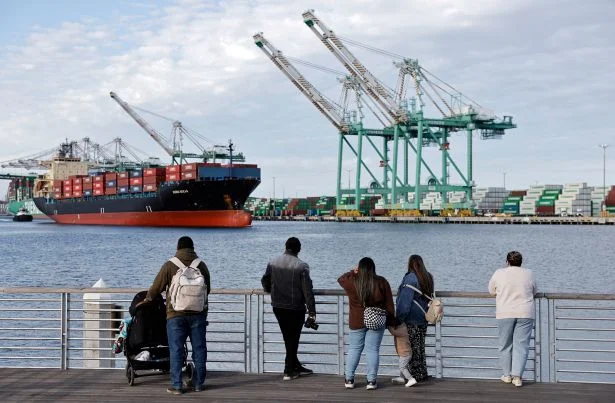
The industrial real estate market in Los Angeles is experiencing a notable resurgence, largely tied to the recent uptick in shipping volumes at the ports of Los Angeles and Long Beach. This revival is particularly significant amidst a backdrop of shifting trade policies and market dynamics that have led to both challenges and opportunities for local businesses.
In 2025, the tariffs and trade uncertainties introduced during Donald Trump’s presidency created turbulent conditions for the logistics industry. However, recent data shows a 1.8 percent increase in shipping volumes at the key ports, with the Port of Los Angeles nearing record container throughput this past July. As Port of Los Angeles Executive Director Gene Seroka pointed out, robust consumer demand is sustaining significant import levels, which can be seen as a stabilizing force for the industrial market.
While warehouse vacancy rates peaked recently at 7 percent, there’s a tangible shift occurring that could signal a turn towards an uptick in leasing activity. The second quarter of 2026 marked the highest leasing levels seen in five years, according to insights from Cushman & Wakefield. This surge is attributed to Southern California’s strategic position in larger logistics networks, driving strong demand for industrial space.
“We’re witnessing a transformation in industrial leasing,” notes Gregg Healy from Savills Industrial Services. His observation reflects a growing urgency among businesses to secure operational space near the ports, where proximity can significantly reduce shipping costs. This behavior illustrates a pragmatic approach by companies attempting to navigate current trade conditions effectively.
Shifts in Tenant Demand and Rental Dynamics
The demand for industrial space is diverse, with significant interest from high-tech sectors such as aerospace and defense. Specifically, a remarkable 1.8 million square feet of new absorption in the South Bay area has been reported, driven predominantly by aerospace and defense tenants. High-profile leases, such as Valar Atomics’ recent acquisition of 500,000 square feet for nuclear technology development, signify a trend where advanced manufacturing is becoming a primary demand driver for Class A spaces.
Despite the evident growth in absorbing industrial space, rental levels have seen complexity. Although industrial rents have been fluctuating since mid-2023, they remain approximately 25 percent higher than they were at the beginning of 2020, suggesting a nuanced market environment. The rising demand from high-tech manufacturing is boosting rents for premium properties while cost-sensitive tenants are pushing back against increases in more traditional warehouse spaces.
Market Speculation and Strategic Moves
Shippers are currently strategizing their operations, aiming to capitalize on favorable tariff conditions before potential increases impose additional costs. This proactive approach is evident as suppliers rush to stock up for the holiday season. The focus has shifted, with retailers and suppliers keen to maximize shipping efficiency while costs remain manageable.
Healy emphasizes the ongoing integration of advanced manufacturing into the economic fabric surrounding the ports. The presence of high-tech and defense-related firms alongside traditional logistics operators is reshaping the tenant landscape. These shifts are not merely temporary; they indicate a longer-term evolution within the market that prioritizes technological advancement.
Interestingly, the landscape for logistics has also flourished, as evidenced by recent leasing activity in the region. For example, Watson Land Company reported securing two logistics leases totaling 150,000 square feet. Furthermore, new developments like the Rexford properties in Torrance are anticipated to be fully leased upon completion, indicative of a healthy appetite for logistics-focused infrastructure.
Real Estate Developments Impacting Coastal Areas
While coastal industrial real estate benefits from these trends, not every area mirrors this growth. San Pedro, once primarily a working waterfront, is undergoing a significant transition towards mixed-use developments despite facing its own construction challenges. Recently initiated projects aim at revitalizing this once-industrial sector, highlighting a shift from traditional industrial use to more diverse applications.
Contrastingly, downtown Long Beach continues to grapple with substantial vacancy rates, reaching as high as 35 percent. The Port of Long Beach is actively seeking to reverse this trend with strategic acquisitions, such as their recent purchase of a downtown office building aimed at creating a maritime trade hub to boost local economic activity. This initiative signifies a unique approach where port authorities are investing in commercial real estate to foster a thriving business environment.
Noel Hacegaba, Port of Long Beach CEO, envisions this endeavor as a key component in amplifying economic activity and employment within the wider community, benefiting from the synergy of trade and logistics. This ambitious vision aims to attract manufacturers and logistics firms to the urban core, thereby promoting a revitalized, sustainable business district.
As Los Angeles’ industrial real estate market continues to evolve, the interdependence of port activity and regional economic development becomes increasingly apparent. The dual focus on trade efficiency and high-tech tenant attraction is likely to shape the narratives of both industrial growth and urban revitalization in the years ahead.
Discussion
Sign in to join the discussion.