Atlantic Capital Partners negotiated the $18.2 million sale of 127,391-square-foot Walnut Square, anchored by Food City in Dalton, Georgia.
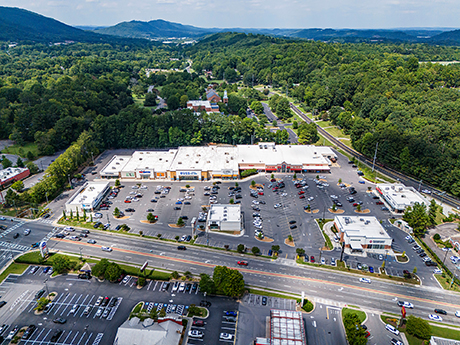
Walnut Square’s 99 percent occupancy stands out in its $18.2 million sale, reflecting a nearly full tenant roster at the time the Dalton, Georgia, center changed hands. Atlantic Capital Partners negotiated the transaction for the seller, an affiliate of Net Lease Alliance; Ledbetter Properties acquired the property. The reported sale price and leasing figure offer two useful reference points, though they answer different questions: one describes the transaction, while the other captures how much of the center was leased when it sold.
Occupancy at that level suggests the property had very little vacant space at the time of sale. It doesn't, by itself, reveal the quality or duration of the leases, the rents tenants were paying, or how much of the center's income came from any one retailer. Those details matter when judging a shopping center's day-to-day performance. Still, a near-full roster can make a property easier to assess than one with significant empty space, because buyers can examine an operating tenant lineup rather than rely mainly on plans to fill vacancies.
Dalton retail center draws broad tenant mix
The 127,391-square-foot center sits in north Georgia near the Tennessee border. Food City anchors the property, alongside Ross Dress for Less, Ulta Beauty, PetSmart, Bath & Body Works, AT&T, Kay Jewelers and Crumbl Cookies. The tenant list brings together grocery shopping, apparel, beauty, pet supplies, communications, jewelry and food service, giving the center a mix of uses rather than a single retail focus.
That variety can matter to how a shopping center functions. Grocery stores often generate regular shopping trips, while other retailers may draw customers for less frequent or more specific needs. A center that combines those uses may offer several reasons to visit over the course of a week. But a list of tenants can't establish how often shoppers come, how much they spend, or whether the stores are performing well. It describes the property's composition, not the full trading story.
Food City's role as anchor gives the property a clear lead tenant, while the surrounding retailers provide additional shopping options. The balance is notable: the roster includes familiar national brands and businesses serving distinct categories. That breadth may help a center appeal to different customer needs, but it can also mean that leasing performance depends on several kinds of retail demand. A grocery-led visit and a specialty shopping trip don't necessarily follow the same patterns.
Here's the thing: a high occupancy rate looks reassuring, but it isn't a complete measure of resilience. The percentage doesn't say whether every lease has similar terms or when renewals come due. Nor does it tell readers whether the reported occupancy reflects leased area, occupied space, or another measure used in the transaction description. The source reports 99 percent occupancy at the time of sale; broader conclusions should stay within that boundary.
What the sale figures show—and what they leave open
The $18.2 million price gives the transaction a concrete headline, and the center's 127,391 square feet give it scale. Read together, those figures provide a basic outline of the sale. They don't establish the property's operating income, financing structure, lease-by-lease economics or the buyer's plans. Without those details, it would be a stretch to treat the sale price as a full valuation guide for other retail properties.
Comparisons between shopping center sales typically require more than total price and floor area. Analysts may also examine location, tenant credit, lease terms, vacancy history, property condition and income, among other factors. A grocery anchor can be a meaningful part of a center's profile, but its presence alone doesn't settle how a buyer might view the asset. The same caution applies to a high occupancy figure: useful evidence, but only one part of a larger assessment.
At the time of the transaction, the center's nearly complete leasing and varied tenant lineup gave the sale a defined operating profile. That makes the reported details more informative than a bare announcement of a price and buyer. Yet the source doesn't provide the rent roll, lease expirations or financial performance needed to describe the property's cash flow. The transaction can be placed in context; its underlying economics remain undisclosed.
Atlantic Capital Partners' role was to negotiate the transaction for the seller, an affiliate of Net Lease Alliance. Fred Victor, Sam Koonce, Teddy Driscoll and Matt Austin of the firm represented that side. Ledbetter Properties was the buyer. The source identifies the participants and their roles, but doesn't describe the buyer's strategy or the seller's reasons for completing the sale.
Why occupancy and tenant mix matter
For retail property owners, leasing is more than filling space. A tenant roster shapes what customers can do at a center, while the size and position of available units can affect which businesses might fit. When a property is nearly fully leased, there may be less immediate vacancy to address; that doesn't remove the work of managing leases, maintaining the property and keeping tenants operating. In this case, the reported 99 percent figure is a snapshot tied to the sale, not a forecast of future occupancy.
And yet, the snapshot has weight. A buyer considering a center with a broad roster can evaluate the property as an existing retail operation, with an anchor and a range of tenants already in place. That's more significant than it looks, even though the missing lease and income details limit what can be concluded. (And this is the part most people overlook: near-full occupancy doesn't automatically mean every tenant contributes equally to the center's financial performance.)
If you're working in this space, the practical read is straightforward: Walnut Square changed hands with a reported $18.2 million price, 127,391 square feet and 99 percent occupancy, supported by a tenant mix led by Food City. Those facts give a useful outline of the asset and its sale. A fuller judgment would depend on information the source doesn't provide, including lease terms, income and the buyer's plans. For now, the transaction is best understood as a sale of a nearly fully leased, grocery-anchored retail center in Dalton—with the next chapter of its ownership left unstated.
Discussion
Sign in to join the discussion.