Stormwater compliance costs fluctuate based on project timing and local regulations; early engagement is crucial to avoid higher expenses.
Stormwater management is a critical aspect of property development, but costs can vary significantly based on when issues are addressed. A recent webinar hosted by AQUALIS highlighted crucial insights into the financial implications of stormwater compliance, urging developers to reevaluate how they approach these challenges.
The Importance of Timing in Stormwater Compliance
Panelists Lisa Cratty, Megan Bender, and Jason Abert shared valuable experiences that underline how addressing stormwater requirements early can prevent escalating costs later. The message was clear: compliance isn’t just about meeting state mandates; local regulations often impose added layers that developers must navigate. The stakes are high, and the financial ramifications extend beyond initial project budgets. Developers who delay compliance efforts may find themselves in a cycle of unexpected expenses that compound over time.
Key Considerations for Developers
- Permits Are Only Half the Picture: Cratty presented a case where a developer underestimated local stormwater requirements. Budgeting solely for state compliance led to unexpected costs, such as the need for weekly inspections by specialized professionals, significantly burdening the project budget. This kind of oversight isn't rare; many developers focus narrowly on upfront permit costs while neglecting the ongoing expenses that local regulations can impose. The balancing act between meeting these requirements while maintaining profitability is a challenging endeavor, often leaving less experienced developers in the lurch.
- Proactive Site Evaluations: Bender stressed the necessity of bringing civil engineers into the site acquisition process. Early assessments can identify potentially problematic conditions like floodplains or poor soil, saving time and money by avoiding unsuitable sites. This proactive stance isn't just a recommendation; it's a critical strategy that can define project success or failure in today’s competitive real estate market. Developers who engage in thorough site evaluations can prevent costly surprises later in the development cycle.
- Inheriting Aging Infrastructure: Abert discussed the rising issues of outdated stormwater systems in Georgia, noting that perceived cost savings from tying into existing, aging infrastructure often result in "the new owner's problem." Some systems might have gone decades without maintenance, leading to costly failures. Developers must be cautious about relying too heavily on existing infrastructure; indeed, this situation can transform savings into liabilities that surface when they’re least expected. It’s a complex equation, and developers should be prepared for the realities of aging assets.
- The Risk of Incomplete Records: The panel emphasized that failing to maintain accurate inspection logs can lead to regulatory violations. These records are essential, especially when regulators conduct inspections and find inadequate documentation. An unexpected regulatory review has the potential to freeze projects, disrupting schedules and inflating costs. Developers must view meticulous record-keeping not merely as a compliance requirement but as a critical component of project risk management.
- Regulatory Expectations: Compliance issues must be addressed swiftly. Even minor corrective actions typically have a turnaround of one to three days, while more severe violations can halt projects immediately, adding to financial losses. The pace at which regulatory bodies operate can be relentless, leaving developers scrambling to respond. If you're working in this space, understanding these timelines is paramount—every day can mean significant budget implications.
- Heightened Scrutiny on Data Centers: Cratty also pointed out that data center operators in Virginia face increasing regulatory pressure regarding stormwater discharge. With evolving scrutiny and the potential for stricter regulations on the horizon, developers in this sector must stay informed and prepared. This focus on data centers reflects a broader trend where environmental accountability is becoming non-negotiable, pushing developers towards compliance before they even break ground.
Interactive Q&A Insights
The discussion included an audience Q&A, where pressing questions about acquisition risks and municipality incentives for green infrastructure were addressed. Understanding these nuances can greatly impact compliance strategy and overall project viability. Panelists affirmed that municipalities often offer incentives for adopting green practices—an angle that developers often overlook. They miss opportunities to not only comply but potentially enhance their project's appeal and long-term sustainability.
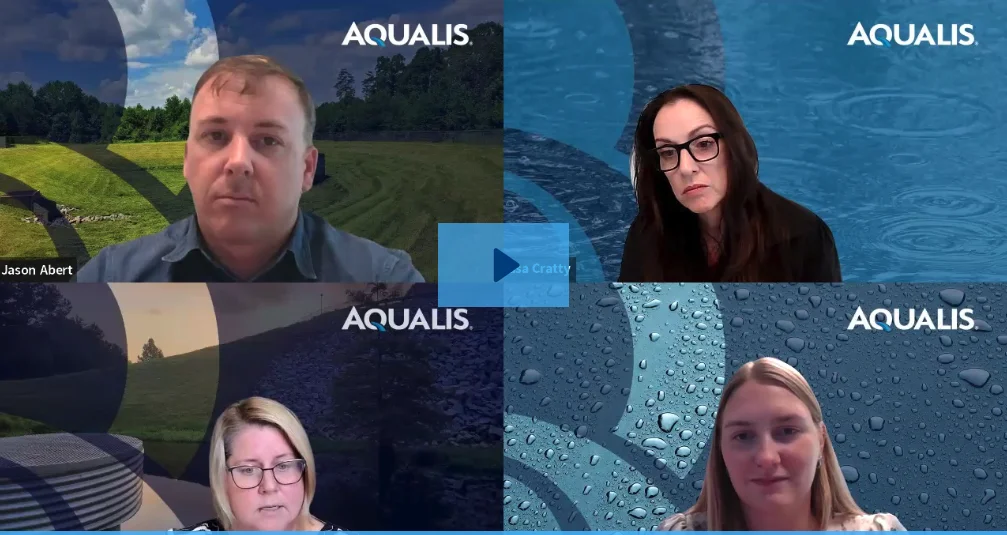
Abert concluded the session with a succinct observation: compliance is most manageable and cost-effective when integrated into design and construction planning rather than treated as an afterthought or a last-minute issue. This proactive approach can lead to significant savings and smoother project execution. Each phase of development should actively anticipate regulatory requirements from the outset.
Implications for the Future
The insights shared in the AQUALIS webinar underscore a shifting paradigm in how stormwater management is approached in property development. As regulatory environments tighten, particularly around issues tied to sustainability and climate change, developers must prioritize compliance as a factor in their strategic planning. The backlash from failing to adapt could be significant, leading not only to monetary penalties but also to reputational damage that’s hard to recover from.
This webinar, sponsored by AQUALIS, provides essential insights for industry professionals aiming to navigate the complexities of stormwater compliance effectively. For additional details, visit aqualisco.com.
Join our mailing list for more updates on trends affecting the retail and property development sectors.
Discussion
Sign in to join the discussion.