Nuveen Real Estate has divested Southside at McEwen, a fully-leased retail center in Franklin, Tennessee, home to notable brands like Whole Foods and lululemon.
Transaction Overview
Franklin, Tenn. — Nuveen Real Estate has successfully finalized the sale of Southside at McEwen, a substantial 92,470-square-foot retail center situated in Franklin, about 20 miles from the heart of Nashville. This notable deal saw JLL's Jim Hamilton, Brad Buchanan, and John Perry Hilton representing Nuveen, while Lincoln Property Co. from Dallas acted as the investment advisor for the buyer, a high net-worth family office. While details of the sale price remain undisclosed, the interest in this property underscores its market value.
Understanding the Market Dynamics
Franklin, Tennessee, has seen significant growth in the retail sector over the past decade. The city is not only in close proximity to Nashville, but it also combines a strong residential base with an influx of businesses. This location's appeal can be attributed to its suburban vibe, excellent schools, and a strong community sense, attracting both families and high-net-worth individuals. In such settings, retail properties like Southside at McEwen become valuable assets, attracting investment interests like Nuveen's.
Investment in retail properties often signifies a well-calculated strategy amid contrasting trends in the sector. While e-commerce has significantly impacted brick-and-mortar sales, certain physical spaces thrive. Centers with a strong tenant mix and unique experiences tend to perform better, setting benchmarks for possible returns on investment. This situation amplifies the attention surrounding Southside at McEwen, reinforcing its appeal to discerning buyers.
Property Details
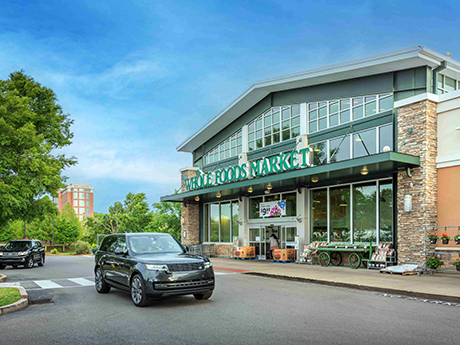
Established in 2012 and occupying roughly 10.5 acres, Southside at McEwen is anchored by a Whole Foods Market, which typically attracts a demographic with higher spending power. The presence of such a national brand can elevate a retail center's appeal considerably, signaling to potential tenants that they are part of a vibrant and sustainable shopping environment. Beyond Whole Foods, the center showcases a diverse array of tenants, including well-known retailers such as lululemon, Flower Child, Solidcore, BrickTop’s, Kendra Scott, Fab’rik, and PNC Bank. The center’s fully leased status at the time of sale indicates its strong market presence and tenant demand in the area.
The mix of tenants is generally well thought out—brands range from health-focused eateries to lifestyle retailers, appealing to both casual shoppers and health-conscious consumers. Given the current trends toward wellness and self-care, establishments like Solidcore and Flower Child tap into burgeoning markets that address these consumer demands. This creates a synergy: when people visit for one brand, they might also discover others, encouraging foot traffic while promoting brand loyalty.
Tenant Relations and Market Appeal
Having a fully leased property like Southside at McEwen boosts its attractiveness significantly for potential investors. It demonstrates not only the center's strong market demand but also tenant confidence. Retail centers can often struggle with vacancies, leading to declining revenues and a negatively perceived investment. A leased center provides a certain level of financial predictability, vital for long-term planning.
Leases also reflect prevailing market conditions. The terms negotiated often denote the tenant’s faith in the space's ability to generate income. Strong local retail markets typically foster beneficial lease agreements, giving both tenants and property managers room for stability and growth.
Future Implications and Industry Context
The sale of Southside at McEwen is a microcosm of broader trends within the retail real estate sector. While concerns about the future of physical retail persist due to increased online shopping, successful centers continue to attract investments. This speaks volumes about how crucial location and community engagement remain in real estate valuations. Investors are likely keeping an eye on similar properties across the U.S., wanting to capitalize on consumer habits that favor local, experiential shopping combined with everyday essentials.
As younger generations prioritize experiences and brands that align with their values, high-performing retail centers may lead the way in adapting to these shifts. If you’re working in this space, understanding these factors can help fine-tune strategies for both property acquisitions and tenant relations moving forward.
And yet, the stakes are high. Economic shifts, interest rate changes, and evolving consumer preferences can swiftly alter the direction of retail investment. The current situation may suggest stability for properties like Southside at McEwen, but it doesn’t take much for the tides to change. Investors should remain vigilant about market trends and be prepared to adapt their strategies as needed.
The Significance of This Sale
This sale isn't just another transaction; it marks a pivotal point in the assessment of retail real estate value post-pandemic. There’s an emerging theme where well-positioned retail spaces, especially those with a dynamic mix of tenants, are still viewed as worthwhile investments. With more people returning to in-person shopping experiences, retail properties that offer convenience, quality, and a diverse shopping experience may well fit the bill.
This clearer valuation also lays the groundwork for future deals in similar markets. Investors and analysts will likely study how Southside at McEwen's transition impacts future property values in Franklin and broader Tennessee. It raises a pertinent question about the ability of brick-and-mortar retail to remain relevant in an increasingly digital commerce era. Hence, keeping a pulse on similar property sales becomes essential for anyone tracking the future of retail real estate.
Discussion
Sign in to join the discussion.