Faris Lee Investments facilitated a $38.7 million sale of two retail properties in Lakewood, showcasing the ongoing demand for stable retail space in California.
Overview of the Lakewood Center Sale
In a notable real estate transaction, Faris Lee Investments facilitated the sale of two retail properties at Lakewood Center for $38.7 million. This shopping center, located around 23 miles southeast of Los Angeles, spans an impressive 2 million square feet. The properties themselves total nearly 155,000 square feet and are anchored by well-established tenants—Albertsons and The Home Depot. These companies have maintained a presence at the center for over 30 years, showcasing not just their ability to thrive but also the inherent stability and appeal of the shopping environment.
This sale brings forth several themes that merit deeper consideration, particularly the dynamics that underpin retail investments in today's complex market. The long-standing occupancy of Albertsons and The Home Depot at Lakewood Center raises critical questions about the resilience of retail spaces, especially in an era marked by significant shifts in consumer behavior and the growing influence of e-commerce. Traditional retail spaces have faced scrutiny over the last decade, yet this transaction reflects a counter-narrative—one that suggests that not all physical retail is on the decline.
Who’s Involved? A Key Consortium
The transaction was represented by a multi-owner consortium, with the Faris Lee team—comprised of Don MacLellan, Jeff Conover, Scott DeYoung, and Greg Lukosky—acting as intermediaries. Their experience and market acumen played a crucial role in this deal. They worked closely with a high-net-worth family office, which ultimately emerged as the buyer for these properties.
The involvement of a multi-owner consortium often adds a layer of complexity to real estate negotiations. Multiple stakeholders usually mean diverse interests and perspectives, which can both enrich and complicate the transaction process. That said, a seasoned team such as Faris Lee Investments can streamline this complexity, turning potential challenges into opportunities for strategic alignment among the investors.
Tenant Stability and Market Implications
The fact that both properties are anchored by tenants like Albertsons and The Home Depot, each with a presence for over three decades, offers a unique lens through which to analyze current and future retail space investments. Their longevity hints at a stable consumer base and managed foot traffic—concepts that are essential for any retail center's success. The longer a tenant stays, the more it demonstrates strong sales and consistent traffic, both vital indicators for potential investors.
What’s particularly telling here is how this speaks to the ongoing demand for retail space, even in a market often scrutinized for its volatility. Contrary to some narratives about the retail apocalypse, this multifaceted market continues to show signs of resilience, particularly in cases where established brands maintain their foothold. Retail centers that offer a blend of strong anchors and a variety of smaller tenants often do better by mitigating risks associated with tenant turnover and market downturns.
Here's the thing: if you're tracking shifts in retail investment, this sale underscores the potential for lucrative opportunities, especially in areas with established, well-performing tenants. The combination of high visibility and a diversified tenant mix is clearly pivotal for attracting buyers, and this deal exemplifies that principle well.
Retail Resilience in a Digital Age
The broader context of retail resilience speaks volumes about consumer behavior in a digital landscape. While e-commerce has claimed a substantial portion of retail sales, physical stores continue to play an essential role in the shopping experience. Many consumers still prefer to touch and feel products before making a purchase—especially for larger items offered by stores like Home Depot. Additionally, grocery shopping remains a heavily foot-fall dependent activity, which has historically favored physical retail as the primary method of purchasing necessities.
This category of issue often comes into play when evaluating investment opportunities in retail. More than just location, it’s about the tenant mix and their adaptability to changing consumer habits. Investors should look closely at how these tenants are navigating the digital landscape, whether that means integrating e-commerce sales into their operations or enhancing in-store experiences to attract customers.
And yet, while the sale indicates a healthy immediate response from the investment community, one must remain cautious of overestimating the longevity this trend may indicate. The market can shift rapidly, and an influx of online sales could easily challenge even the most resilient retail setups.
Future Outlook for Retail Spaces
So, what does this mean for stakeholders moving forward? The Lakewood Center sale presents an interesting case study in retail investment dynamics. The continued interest in physical retail spaces, particularly those anchored by strong tenants, suggests that there could be more room for growth in localized retail markets than many analysts currently project.
However, this optimism ought to be tempered with an awareness of broader economic trends, such as shifts toward online shopping, changing consumer demographics, and economic uncertainty. If you're working in this space, the key takeaway is to gauge not just the current desirability of a retail site but also its long-term viability in a marketplace that’s anything but static.
Investors need to think critically about how evolving consumer preferences might shape retail offerings moving forward. The resilience seen in places like Lakewood Center may not be universal, but they certainly signal opportunities for those poised to exploit them. This deal is more significant than it looks; it suggests a complexity and nuance in the retail market that merits closer examination.
Conclusion
Ultimately, the sale of the properties at Lakewood Center stands as a microcosm of the broader retail market. As both consumers and investors navigate the dual realities of e-commerce and physical retail, transactions like this will serve as critical indicators of where the market may head next. Whether you're a seasoned investor or a casual observer, keep an eye on these trends—they'll indicate not just the health of retail but potentially the future of consumer interaction in the years to come.
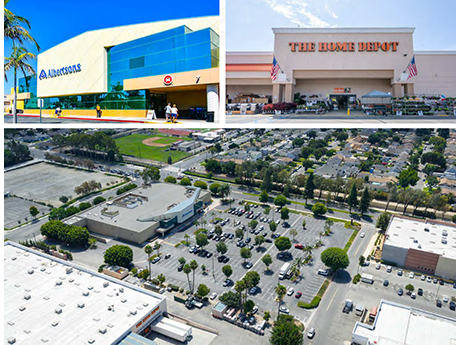
*The transaction involved the acquisition of two retail properties operated by Albertsons and The Home Depot.*
Discussion
Sign in to join the discussion.